Watering
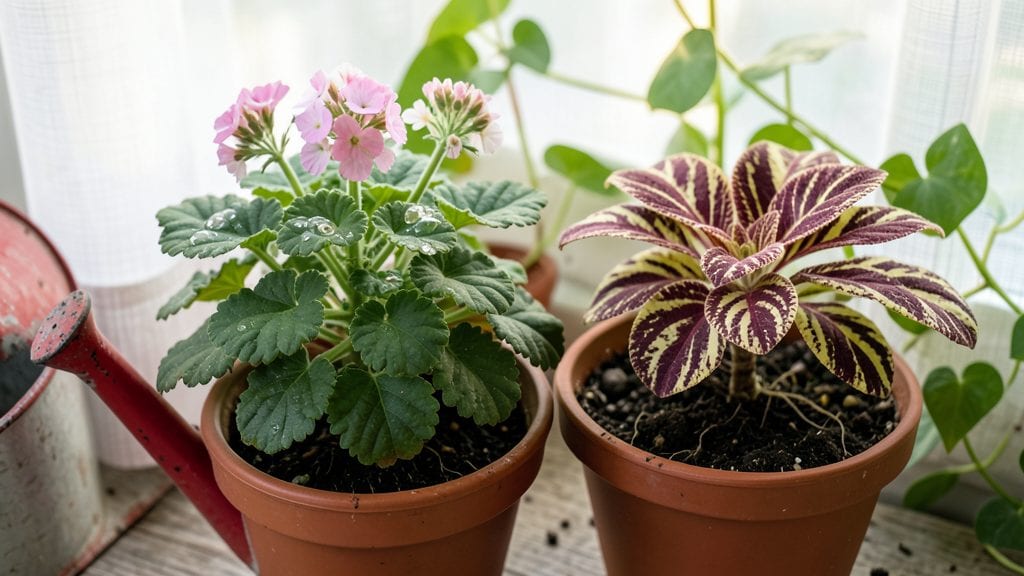
Overwatered plant edema turns leaves into bumpy, blistered messes that look like they’ve been through a war. 🌱 I’ve seen it ruin otherwise healthy plants—until I learned the three simple fixes that actually work. The good news? You can reverse the damage and keep your plants looking crisp again.
Edema happens when roots can’t keep up with water intake, forcing excess moisture into leaf tissue. It’s not a fungal disease—it’s a watering mistake, and the fix starts with cutting back immediately.
Most people panic and water even more, which makes it worse. Instead, we’re talking about adjusting drainage, spacing waterings, and giving roots room to breathe.
Within days of proper care, those blisters start to fade, and new growth emerges smooth and strong. You’ll notice leaves staying firm, vibrant, and free of those unsightly bumps. The key is consistency—once you adjust your watering routine, your plants will thank you for years.
Works for houseplants, container gardens, and even backyard perennials. Whether you’re dealing with a single pot or a whole garden, these steps prevent future outbreaks. Let’s get those leaves back to their best!
Root Causes Of Leaf Swelling
When your plant’s leaves start looking like they’ve been through a water balloon fight, it’s usually a sign of overwatered plant edema—a condition where excess moisture disrupts the plant’s natural gas exchange.
But why does this happen? Let’s break down the science behind the swelling and explore the key triggers that turn your green friends into puffy, unhappy versions of themselves.
Plants need oxygen in their roots just as much as they need water. When soil doesn’t drain properly—whether due to compacted dirt, heavy clay, or a lack of organic matter—water pools around the roots instead of flowing away.
This creates anaerobic conditions (low or no oxygen), forcing the plant to struggle for survival.
In response, the plant’s cells in the leaves absorb more water than they can expel through transpiration (the natural process of releasing water vapor). The excess water gets trapped in the leaf tissues, causing them to swell and form those unsightly blisters.
Think of it like a sponge left in a bowl of water—it absorbs until it can’t hold anymore, and the same happens to your plant’s leaves.
Actionable fix: Amend heavy or compacted soil with perlite, sand, or coconut coir to improve aeration. Always use pots with drainage holes, and avoid letting plants sit in saucers of standing water.
Plants aren’t designed to live in a perpetual swamp. While some moisture is essential, frequent watering without drying cycles confuses the plant’s natural rhythm. When roots are constantly wet, they can’t regulate water uptake efficiently, leading to a buildup of pressure in the leaf cells.
This is especially true for tropical plants (like calatheas, peace lilies, or ferns) that thrive in humidity but still need dry spells between waterings. Without these breaks, the plant’s stomata (tiny pores on leaves) can’t release excess water fast enough, causing edema.
Actionable fix: Let the top 1–2 inches of soil dry out before watering again. Use your finger to test moisture—if it’s damp, wait. For tropical plants, mimic their natural environment by watering deeply but less often.
Plants are sensitive to their environment, and sudden changes in temperature or humidity can throw off their water balance. For example:
- High humidity + cool nights: If your plant is in a humid room (like a bathroom) but the temperatures drop at night, the stomata may close to conserve moisture. Meanwhile, the roots keep absorbing water, leading to a pressure imbalance and edema.
- Hot, dry air + overwatering: In arid conditions, plants transpire (sweat) more to cool down. But if you’re still watering on a strict schedule, the roots may absorb too much while the leaves can’t release it fast enough.
Actionable fix: Monitor humidity levels (ideal range: 40–60% for most houseplants). Use a hygrometer to track changes and adjust watering accordingly. If humidity is high, reduce watering frequency slightly.
A plant’s roots are its lifeline, and when they’re crowded, circling, or damaged, they can’t absorb water efficiently. This often happens in:
- Plants that have outgrown their pots (root bound).
- Plants with rotten or suffocated roots from chronic overwatering.
- Plants recently repotted without proper root care.
When roots are compromised, they can’t signal the leaves to slow down water intake. The plant keeps absorbing moisture like nothing’s wrong, but the leaves can’t handle the excess, leading to edema. It’s like trying to drink through a clogged straw—you’re still gulping, but nothing’s getting through smoothly.
Actionable fix: Check roots during repotting. If they’re circling or mushy, trim the damaged parts and repot in fresh, well-draining soil. Choose a pot just 1–2 inches larger in diameter to avoid shocking the plant.
Understanding these causes is the first step to preventing edema. Once you recognize the triggers, you can adjust your care routine to keep your plant’s leaves blister-free and happy.
How to Fix Overwatered Plant Edema
Edema on your plants isn’t just unsightly—it can weaken them over time. But the good news? With a few targeted adjustments, you can restore your plants to health and prevent future blisters.
Below, we break down practical fixes based on the root causes, plus long-term prevention tips to keep your greenery thriving.
If your plants are suffering from excessive moisture stress, the first step is to cut back on watering—but don’t just guess. Follow these steps:
💧 Step 1: Let the Soil Dry Out
- Check moisture levels by sticking your finger 1–2 inches deep into the soil. If it’s damp, wait 2–3 days before watering again.
- For potted plants, lift the pot to gauge weight—if it feels light, it’s time to water.
If it’s heavy, hold off. - For garden beds, press your foot gently into the soil. If it springs back slowly (not instantly), the roots are likely waterlogged.
🌱 Step 2: Improve Drainage Fast
Edema thrives in compacted, poorly draining soil. Fix it with these quick tweaks: - Repot if needed: If your plant’s container has no drainage holes, transfer it to one with holes immediately.
Use a well-draining mix (see below). - Add perlite or sand: Mix 20–30% perlite, pumice, or coarse sand into heavy soil to improve aeration. - Raise containers: Place pots on elevated trays or feet to prevent water pooling at the bottom.
🌡️ Step 3: Water Deeply but Less Often
- Deep watering encourages roots to grow downward, reducing surface-level moisture buildup.
- Water in the morning to allow foliage to dry before nightfall (preventing fungal issues).
- Use the "soak and dry" method: Water until it runs out the drainage holes, then wait until the top 1–2 inches of soil are dry before repeating.
Edema often stems from poor soil structure or humidity imbalances. Reset these factors to stop blisters:
🌿 Refresh the soil mix a well-aerated, fast-draining soil is non-negotiable.
Try one of these blends: - For most plants: 60% peat-free potting mix + 30% perlite + 10% worm castings. - For tropical plants: 50% coconut coir + 30% orchid bark + 20% charcoal. - For succulents/cacti: 50% cactus mix + 30% pumice + 20% coarse sand.
✨ Pro Tip: If repotting isn’t an option, top-dress with a 1-inch layer of fresh, airy mix to improve surface drainage.
🌡️ Control humidity and airflow high humidity + poor airflow = edema paradise.
Break the cycle with: - Increase airflow: Place a small fan on low near plants (but avoid direct drafts). - Reduce humidity: Group plants together (creates a microclimate) but avoid overcrowding. - Wipe leaves: Use a damp cloth to gently remove water droplets from foliage after watering.
While you fix the environment, manage existing edema to prevent spread:
✂️ Step 1: Trim Affected Leaves (Carefully!)
- Severely blistered leaves? Snip them off at the base with sterilized scissors (rubbing alcohol works).
- Mild edema? Leave them—pruning can stress the plant further. Focus on improving conditions instead.
- Disinfect tools between cuts to avoid spreading disease.
🛡️ Step 2: Apply Fungicidal Spray (If Needed)
If edema is paired with yellowing, black spots, or mold, a copper-based fungicide or neem oil spray can help.
Mix: - 1 tsp neem oil + 1 tsp mild soap + 1 quart water - Spray early in the morning on dry leaves (avoid direct sun).
⚠️ Warning: Never use fungicides on edible plants unless absolutely necessary. Opt for preventive care first.
Once your plant recovers, lock in healthy habits to avoid edema relapses:
| Cause | Prevention Fix | How Often |
|---|---|---|
| Overwatering | Water only when top 1–2" of soil is dry | Check 2–3x/week |
| Poor drainage | Use pots with holes + amend soil | Once at planting |
| High humidity | Increase airflow with fans | Daily (low setting) |
| Compacted soil | Refresh soil mix every 6–12 months | Seasonal maintenance |
| Root-bound plants | Repot when roots circle the bottom | Every 1–2 years |
💡 Pro Tip: Group plants by water needs—succulents near succulents, tropicals near tropicals—to avoid confusion (and overwatering).
- Mild edema: 2–4 weeks (with adjusted care).
- Severe cases: 6–8 weeks (may need leaf pruning and soil refresh).
- Prevention: Within 1–2 weeks of fixing drainage and watering habits.
Remember: Edema is a symptom, not a death sentence. With these fixes, your plants will bounce back—and your leaves will stay smooth, strong, and blister-free! 🌿✨
Frequently asked questions
What do edema blisters on plant leaves actually look like?
Edema appears as small, water-filled blisters or raised bumps on leaf surfaces, often near veins. These translucent spots can range from tiny pinpricks to larger, swollen patches that feel firm when touched. Unlike fungal spots (which are usually brown or black), edema blisters are clear or pale green and don't have defined edges.
Can I still use my plant if it has edema?
Yes, but with precautions! Edema itself isn't toxic, but severely affected leaves may be more prone to tearing. For non-edible plants, simply trim the worst blisters and focus on fixing watering habits. For vegetables/herbs, harvest leaves away from blistered areas and improve drainage immediately to prevent spread.
Why does my plant keep getting edema even after I stopped overwatering?
Persistent edema often means underlying issues like poor drainage or root stress. Check if your pot lacks drainage holes, or if the soil stays compacted. Some plants (like ferns) are naturally prone to edema in humid conditions—try increasing airflow with a small fan or spacing plants further apart.
Will fertilizing help fix edema?
Not directly—fertilizer won't resolve water-related issues. In fact, adding nutrients while roots are waterlogged can worsen the problem by encouraging more growth without proper drainage. Focus first on soil aeration and watering adjustments, then introduce balanced fertilizer (like 10-10-10) only after the plant shows new, healthy growth.
How long until new leaves grow without edema?
With proper care, new growth typically appears in 2-4 weeks. The key is consistency—keep soil slightly dry between waterings and maintain good airflow. If blisters persist beyond 6 weeks, check for hidden issues like root rot or pests, which may require repotting in fresh, sterile soil.