Plants
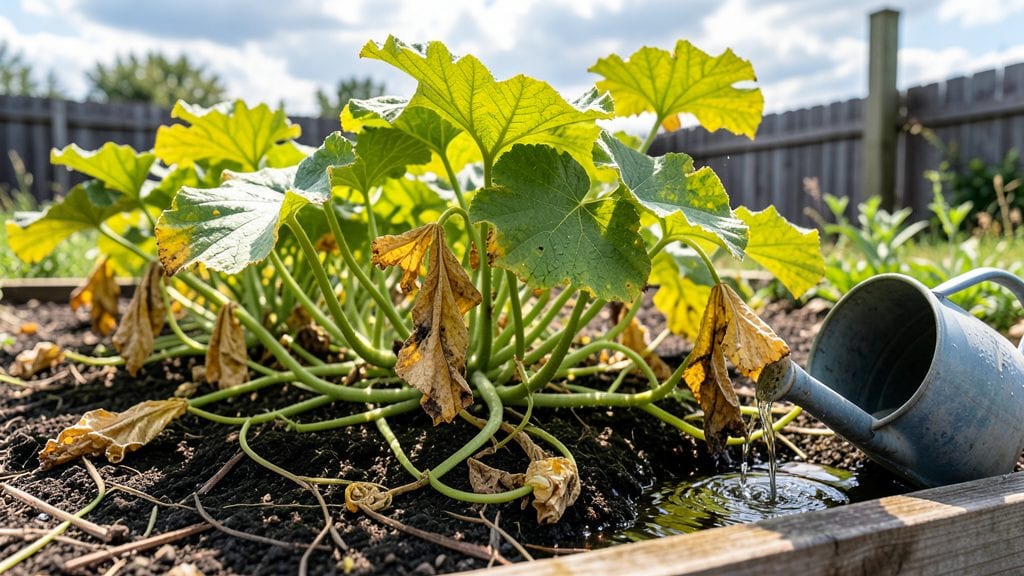
Your drooping watermelon vines aren’t a lost cause—overwatered watermelon plants can bounce back with the right moves. 🌱 I’ve nursed back plants that looked like sad, limp noodles to thriving vines with fruit in just a few weeks, and it all starts with cutting back on the water.
The problem isn’t just too much water—it’s the soggy roots that suffocate your plants. Yellowing leaves, mushy stems, and a foul smell mean root rot has set in, but you can still save your watermelons by adjusting your watering schedule and improving drainage.
Start by letting the top 2 inches of soil dry out before watering again, and make sure your containers or beds have holes for excess water to escape.
Prune away the worst-affected leaves and stems to help the plant focus its energy on recovery. Within a week, you’ll see new green growth pushing through, and in about three weeks, your vines should be strong enough to support fruit again.
The key is consistency—once you’ve fixed the drainage, stick to a watering routine that keeps the soil moist but never soggy.
This method works for both in-ground and container-grown watermelons, and it’s just as effective for other heavy feeders like cucumbers and squash. The secret is patience—your plants will thank you with bigger, sweeter fruit by harvest time.
Root Issues Behind Overwatered Vines
When your watermelon plant starts wilting despite a soggy soil bed, the problem likely stems from a few key factors—each tied to how water interacts with the plant’s biology. Understanding these causes helps you adjust care before the roots suffocate or fungal diseases take hold.
Here’s why too much water can turn your thriving vine into a sad, drooping mess:
Watermelons thrive in well-draining soil, but compacted or clay-heavy mixes hold water like a sponge. When excess moisture lingers, roots asphyxiate—cut off from oxygen and unable to absorb nutrients. This triggers:
- Root rot: Fungal pathogens like Phytophthora or Pythium multiply in waterlogged conditions, rotting roots within days.
- Nutrient lockout: Overwatering flushes away essential minerals (potassium, magnesium) that roots need to stay firm.
- Weak structure: Roots rely on air pockets for strength; without them, they become mushy and collapse under the plant’s weight.
Actionable fix: Amend soil with compost or perlite (20-30%) to improve aeration. Test drainage by filling a pot with water—if it drains slower than 30 minutes, it’s too dense.
Even with good soil, inconsistent watering habits can drown roots. Common pitfalls include:
- Frequent shallow watering: Light, daily sprinkles keep the topsoil wet but leave deeper roots thirsty, forcing them to stretch upward—where they rot faster.
- Automatic timers left running: Sprinklers or drip systems without sensors can dump 1–2 inches of water per week (double what watermelons need in heat).
- Watering at the wrong time: Evening or overnight watering delays evaporation, keeping roots saturated for hours.
Science note: Watermelon roots need 1–1.5 inches of water per week (more in fruit-bearing stages). Use a moisture meter or the "finger test" (2 inches deep should feel dry) to avoid guesswork.
Hot, humid climates (like summer in the Southeast) create a double whammy for overwatered plants:
- Slow evaporation: High humidity reduces transpiration (water loss through leaves), so excess moisture pools around roots.
- Fungal blooms: Warmth + moisture = perfect conditions for Fusarium wilt, which clogs plant vessels and halts water transport.
- Salt buildup: If you’re using tap water, minerals accumulate in soggy soil, further stressing roots.
Pro tip: In heatwaves, water deeply but less often (every 3–4 days) and mulch with straw to regulate soil temperature. Avoid overhead watering to prevent fungal spores from splashing onto leaves.
Watermelon plants with overly dense root systems (from transplanting too close or poor pruning) struggle to oxygenate when waterlogged. Roots compete for space, leading to:
- Anoxic conditions: Without air, roots switch to anaerobic respiration, producing ethanol—toxic to plant cells.
- Stunted growth: Energy diverted to surviving (not fruiting) results in weak vines and small melons.
Solution: Thin seedlings to 2–3 feet apart and prune excess runners to improve airflow. If repotting, choose containers with drainage holes and room for roots to spread.
Potted watermelons are especially vulnerable because containers heat up and dry out unevenly. Common traps:
| Problem | Why It Matters |
|---|---|
| No drainage holes | Water pools at the bottom, creating a permanent wet zone where roots rot. |
| Small pots | Roots fill the space quickly, leaving no room for oxygen once watered. |
| Plastic pots without ventilation | Traps heat and moisture, accelerating fungal growth. |
Fix: Upgrade to a 5-gallon minimum container with holes, and use terracotta (which breathes better than plastic). Elevate pots to prevent water from sitting against the base.
Revive Your Watermelon Plant Now
If your watermelon plant is looking sad and soggy, don’t panic—there’s still hope! Overwatering can be reversed with the right steps, and your vines can bounce back stronger than ever. Below, we’ve broken down the most common causes of an overwatered watermelon plant and matched them with simple, actionable fixes. Plus, we’ll share pro tips to keep your plant thriving long-term.
Cause: Waterlogged soil suffocates roots, cutting off oxygen and nutrients. Fix:
- Stop Watering Immediately – Let the soil dry out completely before watering again. Stick your finger 1–2 inches into the soil; if it’s damp, wait.
- Improve Drainage – If your pot lacks drainage holes, transfer your plant to a container with them. For in-ground plants, amend the soil with perlite, sand, or compost to loosen it up.
- Repot if Necessary – If roots are rotting (black, mushy, or smelly), trim the damaged parts with sterilized scissors and repot in fresh, well-draining soil.
💡 Pro Tip: Mulch around the base with straw or wood chips to regulate moisture and prevent future soggy soil.
Cause: Overwatering leaches nutrients, causing leaves to turn yellow (chlorosis). Fix:
- Flush the Soil – Run water through the pot or garden bed to rinse out excess salts and chemicals from overwatering.
- Fertilize Gently – Use a balanced, water-soluble fertilizer (like 10-10-10) diluted to half strength. Avoid heavy doses—your plant is still recovering!
- Prune Damaged Leaves – Snip off yellow or wilted leaves to redirect energy to healthy growth.
✨ Quick Fix: A foliar spray of seaweed extract can boost recovery and add micronutrients.
Cause: Root stress from excess water weakens the plant’s ability to absorb moisture. Fix:
- Check for Root Rot – Gently lift the plant and inspect roots. Healthy roots are firm and white; rotten roots are brown/slimy.
- Revive with Hydrogen Peroxide – Mix 1 tablespoon of 3% hydrogen peroxide per gallon of water and water the plant. This oxygenates the roots and fights fungus.
- Support the Structure – If vines are drooping, stake or trellis them to prevent further stress while they recover.
🎯 Prevention Tip: Water deeply but infrequently—watermelons prefer dry soil between waterings (about 1 inch per week in hot climates).
Now that your plant is on the mend, keep these habits to avoid repeat issues:
- Use a Moisture Meter – These inexpensive tools tell you exactly when to water.
- Water in the Morning – This gives leaves time to dry, reducing fungal risks.
- Choose the Right Soil – A mix of potting soil + compost + perlite (60/30/10 ratio) works best.
- Monitor Weather – Skip watering if rain is forecasted.
With these steps, your watermelon plant should perk up within 3–7 days. Stay patient—consistent care will have those vines climbing and fruiting in no time! 🍉💚
Frequently asked questions about soggy watermelon vines
How do I tell if my watermelon plant is overwatered vs. underwatered?
Check the soil and leaves: Overwatered plants have yellowing leaves, mushy stems, and soil that stays damp for days. Underwatered plants show crispy brown edges on leaves and dry, pulling soil. For watermelons, stick your finger 2 inches deep—if it's wet, you're overdoing it.
Can I save a watermelon plant with root rot?
Yes, but act fast! Trim away black/mushy roots with sterilized scissors, repot in fresh well-draining soil, and water only when the top 1 inch feels dry. A hydrogen peroxide rinse (1 tbsp per gallon) can help heal roots. Recovery takes 2-3 weeks if caught early.
Why do my watermelon leaves turn yellow after watering?
Yellow leaves usually mean nutrient loss from overwatering or root damage. Flush the soil with clean water to remove excess salts, then fertilize lightly with diluted seaweed extract. Prune yellow leaves to help the plant focus energy on new growth. Avoid fertilizing until roots recover.
What's the best soil mix to prevent overwatering?
Use a blend of 60% potting soil, 30% compost, and 10% perlite for ideal drainage. For containers, add sand or coconut coir to lighten the mix. Test drainage by pouring water—it should drain within 30 minutes. Clay pots help too!
How often should I water watermelons in containers?
Water when the top 1-2 inches of soil feel dry—typically every 3-4 days in summer. Containers dry faster than garden beds, so check daily. Morning watering prevents fungal growth, and mulching with straw retains moisture without suffocating roots. Adjust frequency based on heat and pot size.