
Diseases
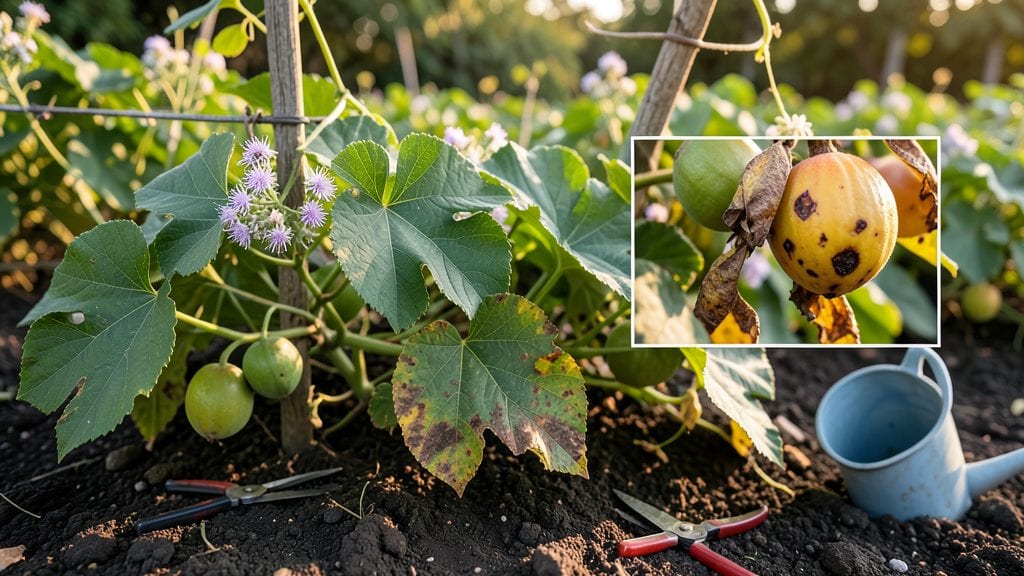
Passion fruit plant diseases can turn your thriving vines into a sad, yellowing mess in weeks—if you don’t catch them early. 🌿 I’ve seen powdery mildew choke plants, wood rot gnaw at the stems, and fruit rot turn harvests to mush, and the key to saving your crop is spotting these five fungal foes before they spread.
The worst offenders—like anthracnose and crown rot—love warm, humid conditions, which means your tropical passion fruit vines are basically an all-you-can-eat buffet.
But here’s the good news: most of these diseases respond to a mix of pruning, copper sprays, and better airflow, so you don’t need to reach for harsh chemicals right away.
With the right prevention (think mulching, sanitizing tools, and removing infected leaves), you’ll keep your vines producing juicy, disease-free fruit all season. The moment you see dark spots on leaves or mushy stems, act fast—these diseases don’t wait.
Organic gardeners, don’t panic: neem oil, baking soda sprays, and proper spacing work wonders when used consistently. And if your plants keep declining despite your efforts, it’s time to call in a specialist—sometimes the problem runs deeper than fungus.
Root Causes Of Passion Fruit Illnesses
Passion fruit plants may seem resilient, but they’re far from invincible. Understanding why these diseases strike is the first step to protecting your crop. Below, we break down the key triggers behind the most destructive fungal infections, from environmental factors to plant vulnerabilities.
Passion fruit thrives in warm, humid climates—but too much of a good thing can turn deadly. Fungal spores thrive in specific conditions, and when the weather cooperates, outbreaks explode.
- Excessive Moisture 💧 - Fungi like Fusarium and Phytophthora love damp soil and foliage.
Heavy rainfall, poor drainage, or overhead irrigation create a perfect breeding ground for spores. - Actionable fix: Improve soil drainage with organic matter (compost, coconut coir) and avoid watering leaves—stick to drip irrigation or soaker hoses.
- High Humidity & Stagnant Air - Humidity above 80% for prolonged periods weakens plant defenses, allowing pathogens to latch on.
Poor airflow (from dense plantings or lack of pruning) traps moisture near leaves. - Actionable fix: Space plants 6–8 feet apart, prune for airflow, and use fan-assisted ventilation in greenhouses.
- Temperature Swings
- Sudden drops below 60°F (15°C) or spikes above 90°F (32°C) stress plants, making them more susceptible to infections.
- Actionable fix: Use shade cloth (30–50%) in hot climates and row covers in cooler regions to stabilize conditions.
A healthy passion fruit plant can fight off many fungal threats—but neglect opens the door to disaster. Weakness comes from nutritional deficiencies, physical damage, or age-related decline.
- Nutrient Deficiencies 🍃 - Low nitrogen (N) → Stunted growth = fewer energy reserves to fight infections. - Low phosphorus (P) → Weak roots = poor water/nutrient uptake, making plants fungus magnets. - Low potassium (K) → Compromised cell walls = easier entry for pathogens. - Actionable fix: Conduct a soil test and amend with balanced fertilizer (10-10-10 or 5-10-10).
Add potassium-rich compost (banana peels, wood ash) for extra protection.
- Physical Stress & Damage ⚔️
- Pruning wounds, hail, or insect bites create entry points for fungi like Colletotrichum (anthracnose).
- Root damage (from tilling or gophers) disrupts nutrient flow, weakening the plant.
- Actionable fix: Use sterilized pruners, apply wound sealant (copper-based) after cuts, and mulch heavily to protect roots.
- Overcrowding & Aging Vines
- Old vines (3+ years) produce less vigor and more senescent tissue—prime targets for fungi.
- Dense canopies trap moisture and block sunlight, slowing drying and promoting spore growth.
- Actionable fix: Renew vines every 2–3 years and prune aggressively to open the canopy.
Some fungi are always present in the soil or air—but they only cause trouble when their numbers explode. This happens due to contaminated tools, infected plants, or wind/rain spread.
- Contaminated Tools & Soil 🔪
- Pruners, stakes, or even gloves can carry fungal spores from infected to healthy plants.
- Infected plant debris left in soil acts as a spore reservoir, reinfecting new growth.
- Actionable fix: Sterilize tools with 70% alcohol or bleach solution (1:9) between uses. Remove and burn diseased plant parts (never compost them!).
- Wind & Waterborne Spread 🌬️💦
- Spores hitch rides on rain splashes or wind currents, traveling miles to infect new plants.
- Splashing water (from rain or irrigation) can fling spores onto leaves, causing leaf spot diseases.
- Actionable fix: Mulch with straw or wood chips to reduce soil splashing. Avoid overhead watering—use drip systems instead.
- Beneficial Microbe Imbalance 🦠⚖️
- Healthy soil has competitive microbes that suppress fungi. But chemical overuse (fungicides, pesticides) or monocropping disrupts this balance.
- Actionable fix: Introduce mycorrhizal fungi or Trichoderma (a natural antifungal) to soil. Rotate crops if possible to break disease cycles.
Even the best-growing passion fruit plants can fall prey to preventable human errors. These oversights create perfect conditions for fungal takeovers.
- Ignoring Early Symptoms 🚨
- Yellowing leaves, black spots, or wilting are red flags—but many growers wait until 50% of the plant is dead before acting.
- Actionable fix: Inspect plants weekly, especially after rain. Remove infected leaves immediately (don’t compost them!).
- Over-Fertilizing (Especially Nitrogen) 💥
- Too much nitrogen boosts leafy growth but weakens structural strength, making plants more prone to fungal invasion.
- Actionable fix: Follow fertilizer guidelines (typically 1–2 lbs of N per 100 sq ft/year). Balance N with P & K (e.g., 8-3-9 formula).
- Skipping Disease-Resistant Varieties 🛡️
- Some passion fruit cultivars (like ‘Sweetie’ or ‘Purple Haze’) are naturally more resistant to fungal diseases.
- Actionable fix: If your area has known fungal hotspots, choose disease-tolerant hybrids over heirlooms.
Some diseases don’t act alone—they hitch rides with pests or exploit damage from other threats.
- Insect-Damaged Tissue 🐜
- Mealybugs, aphids, and mites weaken plants by sucking sap, creating entry points for fungi like Alternaria.
- Actionable fix: Monitor for pests weekly and use neem oil or horticultural oil for prevention.
- Bird & Animal Scratches 🐦🐿️
- Birds pecking at fruit or rodents gnawing vines create open wounds where fungi can infect.
- Actionable fix: Use netting over fruit and repellent plants (like marigolds) to deter pests.
Fungal diseases in passion fruit don’t happen in a vacuum—they’re the result of environmental stress, poor practices, or weakened plants. By controlling moisture, boosting plant health, and cutting off spread, you can dramatically reduce outbreaks.
Pro Tip: 💡 Keep a disease journal—track when symptoms appear, weather patterns, and your responses. Over time, you’ll spot patterns and prevent future problems before they start.
Fixing Fungal Foes Naturally
Now that you’ve identified the enemy, it’s time to fight back! 🛡️ The good news? Most passion fruit fungal diseases can be managed—or even prevented—with simple, cost-effective strategies. Below, we break down practical fixes for each culprit, from quick remedies to long-term defenses.
Think of this as your disease-fighting toolkit, tailored to save your plants without breaking the bank.
**🔥 Cause: Overcrowded plants + wet leaves + poor airflow 🛠️ Fix It Fast: - Prune aggressively 🌿: Remove and destroy (do not compost!) infected leaves immediately.
Thin out branches to improve airflow. - Fungicide spray 💦: Mix 1 tsp baking soda + 1 tbsp horticultural oil + 1 quart water + a drop of dish soap (as a surfactant).
Spray every 7–10 days** for 3 weeks. For severe cases, use copper fungicide (follow label rates). - Morning watering ☀️: Water early in the day so leaves dry by sunset. Avoid overhead sprinklers.
**💡 Prevent Relapse:
- Space plants 3–4 feet apart to reduce humidity pockets.
- Mulch with straw (not wood chips) to keep soil dry and deter spores.
- Rotate crops every 2–3 years to starve the fungus.
🔥 Cause: Infected plant material + aphid vectors 🛠️ Fix It Fast:
- Remove infected plants 🚮: Do not compost—burn or bury deeply. This virus has no cure; destruction is your only option.
- Traps for aphids 🐞: Hang yellow sticky traps near plants to monitor and reduce aphid populations.
- Neem oil spray 🌿: Apply neem oil (2%) weekly to deter aphids (they spread the virus).
💡 Prevent Spread:
- Inspect new plants before purchasing—look for yellowing, stunted growth, or distorted leaves.
- Use reflective mulch (aluminum foil or silver plastic) to confuse aphids.
- Encourage natural predators like ladybugs and lacewings by planting marigolds or dill nearby.
🔥 Cause: Contaminated soil + stress from overwatering 🛠️ Fix It Fast:
- Solarize the soil ☀️: Cover infected beds with clear plastic for 4–6 weeks in hot sun to kill fungal spores.
- Replace soil 🏗️: If wilt is severe, dig out 12+ inches of soil, replace with sterilized potting mix or fresh garden soil.
- Fungistatic drench 💧: Mix 1 tbsp hydrogen peroxide (3%) per gallon of water and pour at the base of the plant. Repeat every 2 weeks.
💡 Prevent Future Outbreaks:
- Avoid overwatering—let soil dry 2–3 inches deep between waterings.
- Plant resistant varieties like ‘IAPAR 11’ or ‘FL 12-14’ if Fusarium is common in your area.
- Rotate with non-host plants (e.g., beans, grasses) for 3+ years before replanting passion fruit.
🔥 Cause: High humidity + rainy seasons + old, thick leaves 🛠️ Fix It Fast:
- Sanitize tools 🧼: Wipe pruners with 70% rubbing alcohol before and after use.
- Copper-based fungicide 🛡️: Spray copper hydroxide (1 lb per 100 gallons) every 10–14 days during wet seasons.
- Thin canopies 🌳: Remove inner leaves to improve airflow and sunlight penetration.
💡 Prevent Recurrence:
- Harvest fruits early 🍈: Pick passion fruits before they fully ripen to avoid fungal entry points.
- Avoid wetting foliage—use drip irrigation instead of sprinklers.
- Apply compost tea 🌱: A balanced compost tea (1:10 ratio) boosts plant immunity.
🔥 Cause: Poor airflow + high nighttime humidity 🛠️ Fix It Fast:
- Baking soda spray 🧂: Mix 1 tbsp baking soda + 1 tsp soap + 1 gallon water. Spray every 7 days until mildew disappears.
- Sulfur dust 🌟: Lightly dust plants with elemental sulfur (early morning) for 3 consecutive weeks.
- Prune for sunlight ☀️: Trim shady, dense growth to let light and air circulate.
💡 Prevent Outbreaks:
- Space plants widely (4–5 feet apart).
- Water at the base—never on leaves.
- Use fungicidal soap (1–2% solution) prophylactically during humid months.
Want to keep diseases at bay long-term?
Check off these easy habits: - [ ] Test soil pH (aim for 6.0–6.5)—use lime to raise or sulfur to lower if needed. - [ ] Rotate crops—never plant passion fruit in the same spot for 3+ years. - [ ] Clean up debris—remove fallen leaves/fruit weekly to deny fungi a home. - [ ] Strengthen plants—feed with balanced fertilizer (10-10-10) every 6–8 weeks to build resilience. - [ ] Monitor weather—if rain is forecasted for 3+ days, preemptively spray with copper fungicide.
🎯 Pro Tip:** The key to winning against fungal foes is consistency. Spot-treat early, but also prevent—because once a disease takes hold, it’s harder (and costlier) to reverse! 🚀
Frequently asked questions about passion fruit plant diseases
What are the first signs my passion fruit vine has a fungal disease?
Look for dark spots on leaves (like anthracnose), white powdery coatings (powdery mildew), or yellowing leaves with brown edges. Check stems for dark, sunken lesions (crown rot) or mushy, discolored areas (fruit rot). Act fast—these diseases spread quickly in warm, humid conditions.
Can I save my passion fruit plant if it already has a fungal infection?
It depends on the disease! For early-stage infections, prune affected areas immediately, apply copper fungicide, and improve airflow. If the plant is 50%+ infected (especially with crown rot or wood rot), it’s often better to remove and destroy it to prevent spread. Renew from healthy cuttings or disease-resistant varieties.
Are there organic treatments for passion fruit fungal diseases?
Yes! Start with a baking soda spray (1 tbsp baking soda + 1 tsp soap + 1 gallon water) for mildew, or neem oil (2%) for anthracnose. For soil-borne diseases, use hydrogen peroxide (1 tbsp per gallon of water) as a drench. Always combine treatments with pruning, better airflow, and drip irrigation for best results.
Why does my passion fruit plant keep getting diseases even after treatment?
Persistent infections usually mean favorable conditions remain—like high humidity, poor airflow, or overcrowding. Check your watering habits (overhead sprinklers worsen spread), plant spacing (aim for 6–8 feet apart), and soil drainage. Fungal spores thrive in damp, stagnant environments—break the cycle with mulch, pruning, and drip irrigation.
How can I prevent passion fruit diseases before they start?
Focus on 3 key defenses: airflow (prune regularly), dry foliage (water at the base in mornings), and healthy soil (test pH, rotate crops, and use compost tea). Plant disease-resistant varieties like ‘Sweetie,’ and sterilize tools between uses. A 30–50% shade cloth in hot climates also helps prevent stress-related outbreaks.