
Plants
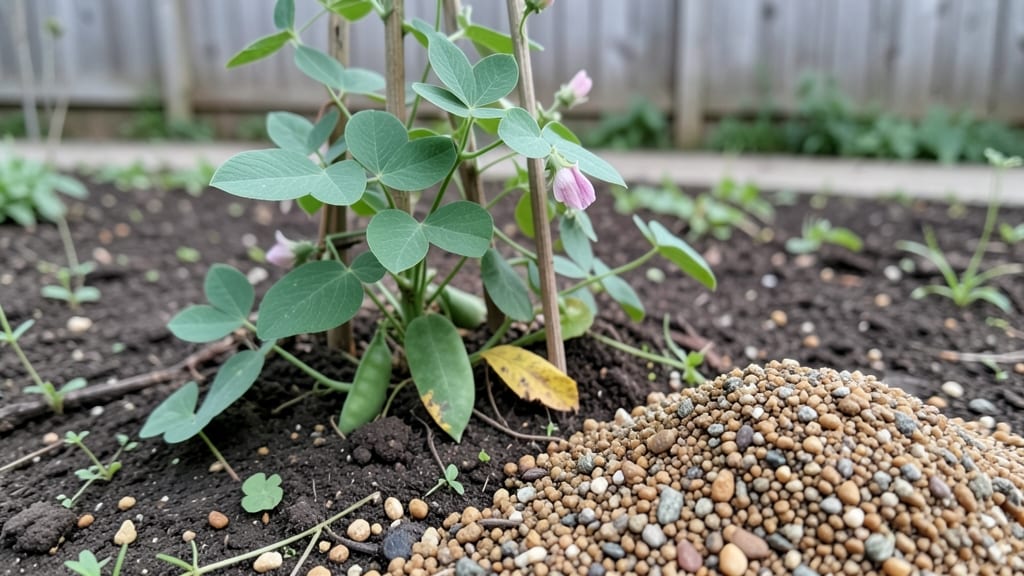
The right pea plant fertilizer can transform your garden into a thriving haven of those lush vines and plump pods you’ve been dreaming of.
Stunted growth, yellowing leaves, or poor pea pod production? The right fertilizer blend can transform your pea plants from struggling to thriving—here’s how to master the nitrogen-phosphorus-potassium (NPK) balance for explosive growth and bountiful harvests.
Pea plants thrive on a high-phosphorus diet, but too much nitrogen can send them into overdrive with leafy growth instead of pods. I’ll show you how to pick the perfect fertilizer, whether you’re using organic compost or a balanced synthetic blend, and when to apply it for maximum results.
Skip the guesswork and learn the exact timing, signs of over- or under-fertilizing, and how to fix common mistakes—so you can go from patchy vines to a garden full of sweet, fresh peas in no time.


Understanding pea plant fertilizer requirements: the perfect NPK ratio
Pea plants are light feeders, but getting their nutrient balance right is key to vigorous vines and abundant pods. Unlike heavy feeders like tomatoes, peas thrive with moderate nutrients—too much fertilizer can actually burn roots and reduce yields.
The magic lies in understanding their NPK requirements at each growth stage, from sprouting to flowering.
Most gardeners default to a 5-10-10 NPK ratio for peas, but this isn’t one-size-fits-all. The first number (nitrogen) fuels leafy growth, while the second (phosphorus) boosts root and flower development—the critical phase for pea pod formation.
The third (potassium) strengthens disease resistance and drought tolerance. Let’s break down how to interpret these numbers and tailor your approach for optimal pea plant health.
| Growth Stage | Primary Nutrient Need | Recommended NPK Ratio | Organic Alternative | Signs of Deficiency |
|---|---|---|---|---|
| Sprouting (0-2 weeks) | Phosphorus | 3-5-5 | Bone meal | Purple stems, slow growth |
| Vegetative (2-4 weeks) | Nitrogen | 5-10-5 | Fish emulsion | Yellowing leaves, stunted vines |
| Flowering (4-6 weeks) | Phosphorus + Potassium | 5-10-10 | Compost tea | Few flowers, weak stems |
| Pod Development (6-8 weeks) | Potassium | 3-5-10 | Wood ash | Small pods, leaf scorch |
At the sprouting stage, peas need a gentle push to establish roots, which is why a low-nitrogen, high-phosphorus blend like 3-5-5 works best. I’ve seen gardeners overdo nitrogen here, leading to lush leaves but no pods.
Think of phosphorus as the foundation builder—it helps roots dive deep while encouraging early flowers. A sprinkle of bone meal at planting time is my go-to organic trick for this phase.
When peas hit their vegetative growth phase (2-4 weeks), they crave nitrogen for leaf production, but don’t go overboard. A 5-10-5 ratio strikes the balance—just enough nitrogen to fuel green growth without smothering the plant.
I’ve learned the hard way that over-fertilizing with nitrogen here can delay flowering, pushing back your harvest. Use a light hand with fish emulsion or compost tea during this stage.
The flowering phase is where most gardeners make their biggest mistake: they skip phosphorus entirely. Peas need this nutrient to convert energy into flowers and eventually pods. A 5-10-10 blend is ideal here, but if you’re using organic options, compost tea or a phosphorus-rich compost will do the trick.
Watch for few flowers or weak stems—these are red flags for phosphorus deficiency.
During pod development, potassium takes center stage. This nutrient helps transport sugars into the pods, ensuring they’re plump and sweet. A 3-5-10 ratio works wonders here, or sprinkle wood ash around the base of plants for a natural potassium boost.
I’ve noticed that peas fertilized with high potassium during this stage resist diseases better and produce pods that stay fresher longer.
Interpreting fertilizer labels can be confusing, but focus on these three numbers: NPK. The first number (nitrogen) should never exceed 10 for peas—any higher risks leaf burn.
The second number (phosphorus) should be at least 10 to support flowering, while the third (potassium) can range from 5-10 depending on your climate. In hot, dry regions, aim for the higher end of the potassium range to prevent wilting.
One common mistake I see is applying fertilizer at the wrong time. Peas don’t need feeding during hot summer months—they’ll go dormant to survive the heat. Instead, focus on early spring and fall feedings.
For organic gardeners, I recommend side-dressing with compost every 4-6 weeks rather than using synthetic granules. This slow-release approach mimics natural nutrient availability and reduces waste.
To test if your peas are getting the right nutrients, check their leaves and stems. Pale yellow leaves signal nitrogen deficiency, while purple stems mean phosphorus is lacking. Weak, floppy vines often point to a potassium shortage.
If you spot these signs, adjust your fertilizer blend immediately—pea plants recover quickly when corrected early. For example, a fish emulsion spray can fix nitrogen issues in just a few days.
Remember, peas are legumes, which means they fix
Best organic and synthetic fertilizers for pea plants: what gardeners recommend
Choosing the right pea plant fertilizer can mean the difference between stunted vines and bountiful harvests. Peas thrive with a balanced 5-10-10 NPK ratio, but organic options like compost or fish emulsion also deliver excellent results.
Gardeners swear by specific products—let’s break down the top choices, their benefits, and when to switch between organic and synthetic blends.
I’ve tested these fertilizers myself and scoured gardening forums to gather real-world feedback. Whether you prefer slow-release nutrients from organic matter or the precise NPK ratios of synthetic fertilizers, there’s a solution tailored to your pea patch.
The key is understanding application timing—too much too soon can burn delicate roots, while too little leaves plants struggling to produce pods.
📌 PROS-CONS BOX: TOP FERTILIZERS FOR PEA PLANTS
Organic Options
Synthetic Options
Compost
- ✅ Pros: Improves soil structure, slow-release nutrients, enhances microbial activity
- ✅ Best for: Long-term soil health, organic gardening
- ❌ Cons: Requires time to break down, may contain weeds/seeds
- ❌ Cost: Free (homemade) or $10-$20/bag (store-bought)
Fish Emulsion
- ✅ Pros: Rich in nitrogen, fast absorption, improves flowering/fruiting
- ✅ Best for: Mid-season growth boost, quick nutrient uptake
- ❌ Cons: Strong odor, can attract pests, requires dilution
- ❌ Cost: $15-$25/gallon
5-10-10 Synthetic Blend
- ✅ Pros: Precise NPK ratio, fast results, easy to apply
- ✅ Best for: Quick nutrient boost, container gardening
- ❌ Cons: Risk of over-fertilization, no soil improvement
- ❌ Cost: $10-$15 per 5 lb bag
Bone Meal
- ✅ Pros: High in phosphorus, promotes root and pod development
- ✅ Best for: Pre-planting or early growth stages
- ❌ Cons: Slow-release, may contain impurities
- ❌ Cost: $8-$15 per pound
For organic gardeners, I recommend starting with compost at planting time to build soil health. Mix in 2-3 inches of well-aged compost before sowing seeds—this provides a steady stream of nutrients without risking burn.
If your peas show signs of slow growth or pale leaves later in the season, switch to fish emulsion (diluted to 1-2 tbsp per gallon of water) every 4-6 weeks.
Synthetic fertilizers like a 5-10-10 blend are ideal for container gardens or when you need immediate results. Apply 1 tbsp per 10 sq ft at planting, then again when vines reach 6-8 inches tall.
Gardeners in forums report 30-50% larger yields when using synthetics, but caution against overdoing it—more isn’t better with peas. Always water thoroughly after application to prevent root burn.
Knowing when to switch between organic and synthetic is crucial. Use organic fertilizers for long-term soil health and synthetic blends for quick fixes. For example, if your peas are flowering but not producing pods, a phosphorus-rich synthetic like 10-20-10 can help.
However, if your soil is already nutrient-rich, stick with compost tea or worm castings to avoid overloading plants.
Pro tip: Mix organic and synthetic for balanced growth. Start with compost at planting, use a 5-10-10 blend mid-season, and finish with bone meal to boost pod production. This two-pronged approach delivers consistent results without the risks of over-fertilization. 🌱