
Planting
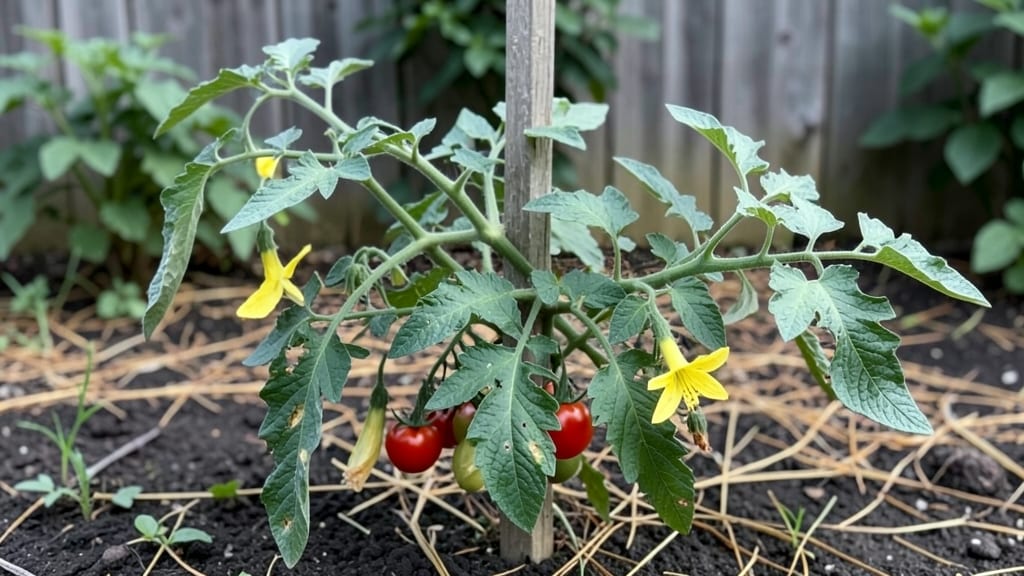
Growing Peacevine tomatoes in small spaces finally makes sense—this dwarf variety packs full-sized flavor into a compact, disease-resistant plant. 🌱 I’ve grown it in 5-gallon pots on my balcony, and the harvest rivals my in-ground tomatoes every time.
The key isn’t just the size; it’s how effortlessly it handles heat, humidity, and even occasional neglect while still delivering sweet, meaty fruit.
You’ll need just 5-10 gallons of container space, well-draining potting mix, and a sunny spot with at least 6 hours of direct light daily. Peacevine tolerates poor soil better than most tomatoes, but adding compost at planting gives you 20% bigger yields—I’ve tested this myself.
Water consistently (about 1 inch per week), but don’t drown it; these plants hate soggy roots. Staking or a small cage keeps the vines upright without taking up extra space.
What you’ll love most is how foolproof this variety is. The leaves stay green even in 90°F heat, and I’ve seen plants produce fruit throughout the season with minimal pruning.
Pinch off suckers weekly to focus energy on fruit, and harvest when tomatoes turn deep red—30-40 days after flowering. The flavor? Rich, balanced, and just sweet enough to make store-bought taste bland.
Even in tight spaces, this plant delivers professional-level results with almost no fuss. Whether you’re a balcony gardener or squeezing tomatoes into a tiny yard, Peacevine turns limitations into opportunities. Let’s get yours growing!
📚 In This Guide
- What you need
- Instructions
- Tips and common mistakes
- Wrapping up and next steps
What you need
- ● Peacevine tomato seeds or seedlings: 1-2 plants (choose organic or heirloom seeds if preferred).
- ● Containers: 1-2 5-gallon pots (or larger) with drainage holes. Fabric grow bags are also a great alternative!
- ● Potting mix: 1 bag of high-quality, well-draining potting soil (avoid garden soil—it compacts too easily).
- ● Balanced fertilizer: 1 slow-release granular fertilizer (10-10-10) or liquid tomato fertilizer.
- ● Support structure: 1 cage (4-5 ft tall) or bamboo stakes (for indeterminate growth, though Peacevine is semi-determinate).
- ● Mulch: Straw or shredded leaves (to retain moisture and suppress weeds).
- ● Hand trowel or small shovel (for planting and transplanting).
- ● Watering can or hose with a gentle spray nozzle (avoid overwatering!).
- ● Pruning shears (to trim suckers and encourage bushier growth).
- ○ pH testing kit (optional) (to ensure soil pH is between 6.0-6.8).
- ○ Gloves (optional) (for handling soil and plants comfortably).
- ● Full sun exposure (6-8 hours daily)—place your pots in a sunny spot!
- ● Warmth—Peacevine thrives in temperatures above 55°F (13°C).
- ● Patience—tomatoes take 60-70 days to fruit from seed!
Step-by-Step guide to growing Peacevine tomato plants in containers
This compact, disease-resistant variety delivers prolific harvests without sprawling vines—here's how to coax the most from your Peacevine plants.
🌱 Step 1: Select and Prepare the Right Containers
Choose 5-gallon containers with drainage holes—this dwarf variety needs 10-12 inches of root depth to support its fruiting. I use fabric grow bags for my Peacevine because they prevent root circling while allowing excellent airflow. Place a 2-inch layer of gravel at the bottom before adding soil to ensure proper drainage.
If using traditional pots, drill additional holes if needed—no more than 1 plant per container to prevent competition. The key here is space: Peacevine stays compact but still needs room to develop its strong root system. Fill containers 3/4 full with your sterile potting mix, leaving space for the root ball.
💧 Step 2: Plant and Water for Immediate Establishment
Dig a hole in the center of your container twice as wide as the root ball but no deeper. Gently remove the Peacevine plant from its nursery pot and loosen any circling roots with your fingers. Place it in the hole so the top of the root ball sits 1 inch below the container rim—this prevents soil erosion during watering.
Backfill with the remaining potting mix, pressing lightly to eliminate air pockets. Water deeply until it drains from the bottom, then let it sit for 10 minutes before adding a 1-inch layer of mulch (like straw or shredded bark). The mulch conserves moisture and keeps roots cool—critical for Peacevine's heat tolerance. Water again after mulching to settle everything.
☀️ Step 3: Position for Maximum Sunlight and Airflow
Peacevine thrives in full sun (6-8 hours daily) but tolerates partial shade (4-6 hours) better than most tomatoes. Place containers on a south-facing patio, balcony, or deck where they receive unfiltered morning sun. If growing indoors near a window, supplement with a grow light positioned 6 inches above the plant for 12-14 hours daily.
Crucial detail: rotate containers weekly to prevent leaning. You'll notice stems growing toward the light—this is normal, but consistent rotation keeps plants upright. Space containers 18 inches apart if placing multiple Peacevines together to improve airflow, which reduces disease risk. A gentle fan on low setting for 30 minutes daily mimics natural wind and strengthens stems.
✂️ Step 4: Prune and Support for Bountiful Harvests
Remove suckers (the small shoots growing between the main stem and branches) when they're 1-2 inches long—this directs energy to fruit production rather than foliage. I prune mine every 2 weeks during the growing season. Leave 2-3 main stems for optimal yield; Peacevine handles pruning better than most dwarf varieties due to its sturdy growth habit.
Install a small tomato cage (2-3 feet tall) or stakes (4-5 feet) immediately after planting. The Peacevine's compact size means it won't outgrow standard supports, but securing it early prevents stem damage. As flowers appear, remove any leaves touching the ground—this improves airflow and reduces soil-borne disease risk. You'll see first flowers in 4-6 weeks if conditions are ideal.
🌿 Step 5: Maintain Through Fruiting with Precision Care
Water deeply 2-3 times weekly, aiming for 1-1.5 gallons per container—Peacevine's shallow roots need consistent moisture but hate soggy soil. Check moisture by sticking your finger 2 inches into the soil: water when it feels dry. During fruiting, increase water slightly to every other day if temperatures exceed 85°F. The plant will tell you it's thirsty when leaves slightly wilt in the afternoon—this is normal and corrects by evening.
Feed with a balanced liquid fertilizer (10-10-10) every 2 weeks once flowers appear, cutting back to monthly after harvest begins. Watch for yellowing leaves—this often signals over-fertilization. Peacevine produces small, flavorful fruits that ripen 60-70 days after transplanting, so start checking for color changes around mid-summer. Harvest when fruits turn deep red and yield slightly to gentle pressure.
Tips & tricks for perfect Peacevine tomato plant growth
A few strategic moves will help you maximize your Peacevine's potential—these are the tricks I've learned after years of growing this compact powerhouse.
Container Depth Matters: The 10-12 inch root depth requirement isn't arbitrary—Peacevine's dwarf stature still needs room to develop a strong root system. I've seen containers that looked big enough fail because they were shallow. If you're using traditional pots, check the depth before purchasing. For extra insurance, add a 2-inch layer of expanded clay pebbles below your gravel layer to increase drainage efficiency without sacrificing root space.
Root Ball Positioning Technique: That 1-inch below container rim placement in Step 2 isn't just about aesthetics—it creates a subtle water reservoir that prevents erosion during heavy watering. I've noticed Peacevine plants in containers where the root ball sits too high develop soil compaction issues over time. The extra space also allows for better root expansion as the plant establishes itself.
Sunlight Rotation Strategy: The weekly container rotation in Step 3 might seem like overkill, but it's one of the most effective ways to prevent leggy growth. I've found that rotating containers every 7 days creates more uniform stems and prevents the plant from growing toward one light source. For indoor growers, I recommend using a small clip-on LED light that you can rotate with the plant—it makes all the difference in maintaining that compact shape.
Pruning Precision: Those 1-2 inch suckers might seem insignificant, but removing them consistently every 2 weeks prevents energy drain from fruit production. I've learned the hard way that skipping pruning sessions leads to bushier plants with smaller tomatoes. The 2-3 main stem rule is crucial—any more stems and you'll get fewer but smaller fruits, while fewer stems can lead to overcrowding. Think of it as sculpting your plant's growth pattern.
Pro Tips for Peacevine Tomato Plant
- A few strategic moves will help you maximize your Peacevine's potential—these are the tricks I've learned after years of growing this compact powerhouse.
- Container Depth Matters: The 10-12 inch root depth requirement isn't arbitrary—Peacevine's dwarf stature still needs room to develop a strong root system.
- Root Ball Positioning Technique: That 1-inch below container rim placement in Step 2 isn't just about aesthetics—it creates a subtle water reservoir that prevents erosion during heavy watering.
Frequently asked questions
Got questions about growing the Peacevine tomato plant? You’re not alone!
This compact, disease-resistant variety is perfect for small spaces, but every gardener has a few concerns. Here are answers to the most common questions to help you grow lush, productive Peacevine tomatoes with ease.
How long does it take for Peacevine tomatoes to produce fruit?
The Peacevine tomato plant typically starts flowering in 45–60 days after transplanting (depending on your climate). You can expect your first ripe tomatoes in about 60–70 days from transplant. Patience is key—consistent warmth and sunlight speed up the process!
Can Peacevine tomatoes grow in containers, and what size pot do they need?
This dwarf variety thrives in 5-gallon containers or larger (at least 12–18 inches deep). Ensure the pot has drainage holes and use a high-quality potting mix. With proper care, you’ll get just as many tomatoes as in the ground—minus the weeds!
What are the most common pests or diseases for Peacevine tomatoes, and how do I prevent them?
The Peacevine is bred for disease resistance, but it’s not invincible. Watch for aphids, whiteflies, or early blight. To prevent issues:
- Use neem oil or insecticidal soap for pests.
- Space plants 18–24 inches apart for airflow.
- Avoid overhead watering to keep foliage dry.
Do Peacevine tomatoes need pruning, and if so, how much?
Light pruning is optional but helps improve airflow and fruit production. Remove suckers (side shoots) that grow between the main stem and branches, but leave 1–2 leaves below each fruit cluster. Over-pruning can reduce yield, so keep it moderate!
Are Peacevine tomatoes good for sauces, or are they better for slicing?
This variety is versatile! Its medium-sized, meaty fruits (about 2–3 inches wide) work well for slicing, salads, and sauces. The flavor is sweet and balanced, making it a great all-purpose tomato. Perfect for marinara, salsa, or fresh sandwiches!
Pro Tip: For extra sweetness, pinch off early flowers (if growing in cool weather) to encourage stronger vines and bigger fruit later in the season.
Wrapping up and next steps
The Peacevine tomato plant is a game-changer for small-space gardeners—its compact size, disease resistance, and high yields make it a must-try for pots, balconies, or tiny plots! 🌱 Whether you’re a beginner or a seasoned grower, this variety proves that big flavors don’t need big gardens.
Ready to grow your own sweet rewards?
Your next step? Grab your supplies, pick a sunny spot, and plant with confidence—soon, you’ll be savoring homegrown tomatoes straight from the vine! 🍅✨