Plants
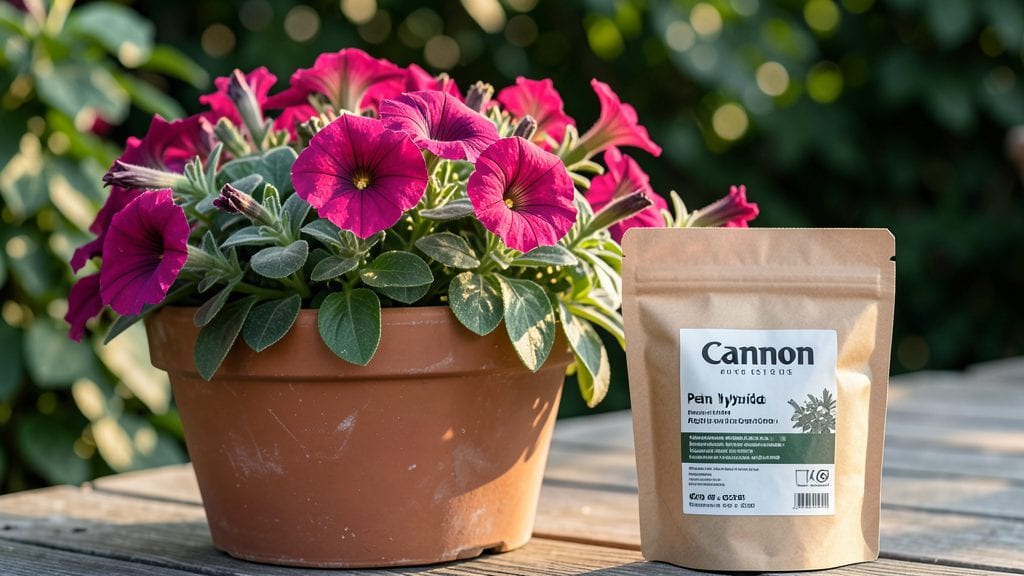
Feeding your petunia plant with the right fertilizer is the game-changer for those showstopping 🌸 blooms that keep coming all season.
Struggling to keep your petunias blooming all season? The secret isn’t just water or sunlight—it’s the right fertilizer schedule that fuels vibrant, long-lasting flowers.
Most gardeners overlook how critical timing and type are: too much nitrogen early means lush leaves but no flowers, while skipping summer feeds lets blooms fade fast. I’ll show you the exact schedule—from spring kickstart to fall fade—that keeps your petunias bursting with color without the guesswork.
You’ll learn which fertilizers actually work (spoiler: it’s not just any old granules), how to spot overfeeding before it’s too late, and the simple tweaks for container vs. in-ground plants that make all the difference.


Best fertilizers for petunias: organic vs synthetic options for maximum blooms
Petunias thrive on the right balance of nutrients, but choosing between organic and synthetic fertilizers can feel overwhelming. The key is understanding their unique benefits: organic fertilizers like compost tea build soil health over time, while synthetic blends (such as 5-10-5) deliver quick, precise nutrition for explosive blooms.
Both have their place in your petunia care routine, depending on your goals.
For me, the game-changer was switching to a high-phosphorus formula during peak bloom season. Phosphorus (the middle number in NPK) is critical for flower development, and petunias respond dramatically when fed properly.
But before you grab any fertilizer, let’s break down the best options—so you can avoid common mistakes like leaf burn or nutrient lockout from overfeeding.
🌸
Let’s start with synthetic fertilizers, which are my go-to for quick, dramatic results. A 5-10-5 formula is ideal because the high phosphorus (10) promotes flower production, while the moderate nitrogen (5) prevents excessive leaf growth at the expense of blooms.
I apply this every 4-6 weeks during the peak growing season (May through August) and always follow the label’s instructions to avoid fertilizer burn.
For organic options, I swear by fish emulsion during the early growth phase. It’s packed with nitrogen to build strong foliage and roots, which sets the stage for bigger blooms later. The downside?
It smells like a fish market, so I apply it in the early morning when the scent dissipates. Compost tea is another favorite—I brew it myself using worm castings and aged compost to feed the soil microbes that petunias rely on for nutrient uptake.
Don’t overlook soil pH either! Petunias prefer a slightly acidic to neutral range of 6.0 to 7.0. If your soil is too alkaline (pH above 7.0), the nutrients in your fertilizer become locked out, even if you’re feeding regularly.
Test your soil in early spring, and amend with sulfur or peat moss if needed. I’ve seen petunias in alkaline soil struggle to bloom until I adjusted the pH—it was a game-changer!
Pro tip: Mix organic and synthetic fertilizers for the best results. For example, use bone meal at planting time for a phosphorus kickstart, then switch to a liquid 5-10-5 once blooming begins.
This two-pronged approach ensures your petunias get both immediate and long-term nutrition. Just remember: less is more—petunias are
Monthly petunia fertilizer schedule: when and how to feed for non-stop flowers
Petunias thrive when fed the right nutrients at the right time, but timing is everything. Too much too soon causes leaf burn, while skipping feeds leads to sparse blooms.
My monthly schedule balances growth and flowering, ensuring your petunias stay vibrant from spring through fall. Start with a pre-planting boost and adjust as seasons change.
Your petunia’s fertilizer needs shift with the seasons—just like your garden’s rhythm. In spring, focus on root growth; in summer, prioritize blooms; and in fall, taper off gently. I’ve broken it down into simple steps, including liquid vs. granule options and how to spot over- or under-feeding.
With this plan, your petunias will reward you with non-stop color all season long.
- 🌱 Pre-Planting (March-April): Mix 1 tbsp slow-release granules (10-10-10) per plant into soil or use compost tea for organic growth. This kickstarts root development before blooming season.
- 🌿 Early Growth (May): Switch to a balanced liquid fertilizer (5-10-5) every 3-4 weeks. Dilute to half-strength to avoid leaf burn. Look for dark green leaves as a sign of healthy growth.
- ☀️ Peak Bloom (June-August): Feed every 4 weeks with a high-phosphorus fertilizer (like 5-10-5) to encourage more blooms. Use liquid fertilizer for quick absorption during hot months. Watch for bud drop—a sign of stress from over- or under-feeding.
- 🍂 Fall Maintenance (September-October): Reduce feeding to every 6-8 weeks with a light dose (half-strength liquid or granules). This prolongs blooms before frost. Stop fertilizing by mid-October to avoid tender new growth.
- ❄️ Winter (November-February): No fertilizing needed—petunias are annuals. Focus on soil prep for next year by adding compost. Store seeds or plan next season’s fertilizer schedule early!
Liquid fertilizers are ideal for quick nutrient uptake, especially during hot summers when petunias drink deeply. For granular fertilizers, apply in early spring and again in late summer for slow-release nutrition.
Always water thoroughly after applying granules to activate them. Pro tip: Deadhead spent blooms weekly to redirect energy into new flowers, not seed production.
Over-fertilizing is the #1 mistake—look for crispy leaf edges or yellowing leaves as warning signs. Under-fertilized petunias, on the other hand, show small, sparse blooms and leggy stems.
Adjust your schedule by halving doses if you see these signs. For container petunias, flush the soil with water monthly to prevent salt buildup from fertilizers.
Container petunias need more frequent feeding than in-ground plants because nutrients leach out faster. Use a water-soluble fertilizer every 2-3 weeks during peak bloom, and always follow label instructions. Mulch around the base with organic matter to retain moisture and nutrients—this reduces the need for extra feeds.
With this schedule, your petunias will stay lush and blooming until the first frost! 🌸