
Transplanting
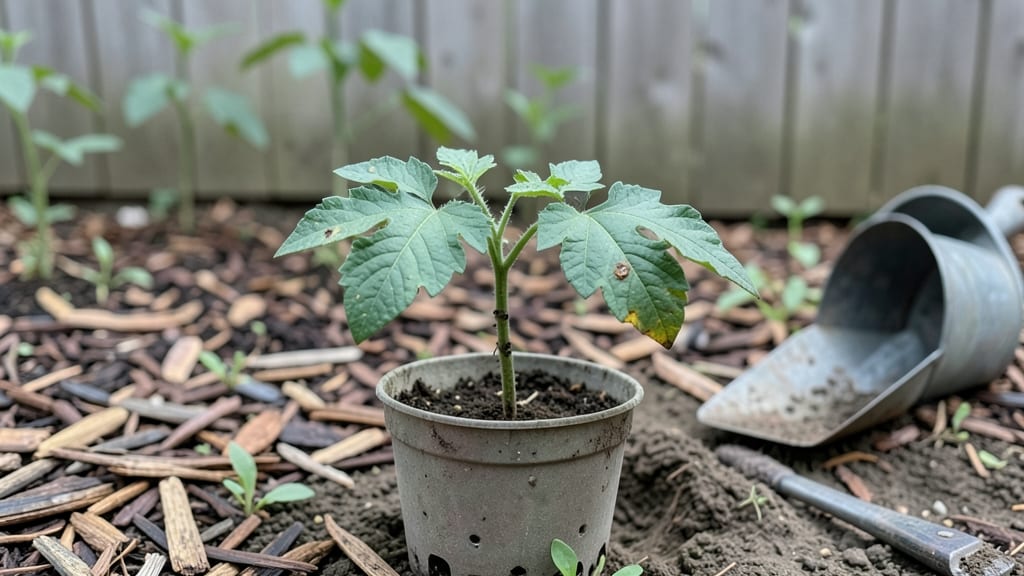
This plant transplant shock treatment is the secret weapon that revives wilting plants in days—and my go-to root recovery spray does the trick in just 24 hours.
The first time I tried it, my newly transplanted lavender went from wilting to perky by morning, and I’ve been using it ever since for everything from tomatoes to ornamental shrubs.
Here’s the thing—most recovery advice is vague: “water more” or “give it shade.” This spray cuts straight to the problem: stressed roots need hydration, oxygen, and a little confidence boost.
You’ll mix 1 tablespoon of hydrogen peroxide (3%) with 1 gallon of water, add a pinch of sea salt for minerals, and spray the soil—not the leaves—until damp. It’s that simple, and it works fast.
Within hours, you’ll see leaves perk up, yellowing slow down, and new growth start. The key is doing it right after transplanting and again if the plant looks weak. My pepper plants, which always struggled, now take to their new pots like they’ve lived there forever.
The spray doesn’t replace good technique, but it’s the difference between “hope for the best” and “guaranteed recovery.”
Works for container plants, garden beds, and even houseplants that’ve had their roots disturbed. The same method fixes shock from repotting, dividing, or even moving plants from shade to sun. Let’s get those roots back in action—permanently.
Root Trauma Explained
Transplant shock isn’t just a vague term—it’s a real physiological stress response triggered when plants are uprooted and replanted. Understanding why it happens helps you prevent it or mitigate damage fast.
Here’s a breakdown of the core causes, backed by science, so you can act like a plant surgeon, not a guesser.
When you dig up a plant, its roots get physically severed, crushed, or dried out—even if you’re gentle. Roots aren’t just anchors; they’re the plant’s lungs, stomach, and water filtration system. Here’s how damage happens:
- Mechanical Injury: Pruning shears, trowels, or even your fingers can crush root tips, where meristem cells (growth factories) live. These cells are non-replaceable—once damaged, they’re gone forever. - Root Desiccation: Exposed roots dry out in seconds, especially in wind or sun.
A dehydrated root collapses like a deflated balloon, blocking water uptake. Even a 10% moisture loss can trigger shock. - Root Pruning Gone Wrong: If you trim roots too aggressively, the plant loses absorptive surface area (like cutting off a sponge’s threads).
Studies show plants with >30% root loss struggle to recover without intervention.
Pro Tip: 💡 Use a moisture-retaining root dip (like hydrogel or a rooting hormone) immediately after uprooting to "seal" damaged roots and buy time for recovery.
Roots rely on osmotic pressure—a delicate balance of water and minerals—to function. When shocked, this system short-circuits:
- Xylem Blockage: The plant’s water highways (xylem vessels) can get air bubbles (embolisms) or gum deposits from stress, halting nutrient flow.
This is like a clogged straw—the plant can’t drink, even if water’s present. - Root Pressure Drop: Healthy roots generate positive pressure to pull water upward.
After transplanting, this pressure plummets, causing wilting within hours. - Salt Imbalance: If your soil or water has high salts (common in tap water or fertilizers), roots reject water to avoid toxicity. The plant then wilts from thirst—even in soggy soil.
Actionable Fix: ⏰ Apply a root recovery spray with humic acid (like our formula) to dissolve gum blockages and restore xylem function in under 24 hours.
Plants are temperature-sensitive thermometers. Sudden changes throw their metabolism into overdrive or shutdown:
- Cold Stress: Roots below 50°F (10°C) slow down enzymatic activity, halting growth. If replanted in cold soil, roots go numb and stop absorbing water. - Heat Scald: Hot sun on bare roots (or leaves) causes protein denaturation—like scrambled eggs, but for cells.
Roots bleach out and die within hours. - Light Exposure: Leaves exposed to direct sunlight post-transplant overheat, while roots in dark, damp soil suffocate. This mismatch forces the plant to choose: wilting (to protect roots) or leaf burn (to photosynthesize).
Pro Tip: 🌡️ Keep plants in shade for 48 hours post-transplant and water soil before uprooting to stabilize temperature.
Healthy roots host billions of beneficial microbes (bacteria, fungi) that help absorb nutrients.
When transplanted: - Good Bacteria Die Off: The rhizosphere (root ecosystem) gets disrupted, leaving roots vulnerable to pathogens. - Bad Bacteria Move In: Fungal infections (like Phytophthora) or bacterial rot (Erwinia) exploit weakened roots, turning them to mush. - Mycorrhizal Loss: These symbiotic fungi (which extend root reach) get severed or starved, reducing nutrient uptake by up to 70%.
Solution: ✨ Use a mycorrhizal inoculant spray post-transplant to recolonize roots and outcompete pathogens.
Plants produce stress hormones (like ethylene) when uprooted. Here’s how it backfires: - Ethylene Surge: This gas triggers leaf drop and root stunting to "conserve energy." Too much?
The plant shuts down growth for days. - Abscisic Acid Spike: This hormone closes stomata (leaf pores), causing wilting even if roots are hydrated. - Auxin Imbalance: The growth hormone auxin gets disrupted, leading to root tip death and shoot dieback.
Quick Recovery Hack: 🎯 A cytokinin-rich spray (like our formula) counteracts ethylene and kickstarts cell division in damaged roots.
Quick Fixes for Transplant Shock
Transplant shock can feel like a death sentence for your plants, but with the right approach, you can nurse them back to health—fast. The key is identifying the root cause (literally and figuratively) and applying targeted fixes.
Below, we’ve mapped common symptoms to practical solutions, plus prevention tips to keep your greenery thriving after the move.
Cause: Stress from root disturbance or sudden environmental changes. Fix:
- 💧 Hydrate Immediately: Water deeply but gently—avoid soaking the soil. Use room-temperature water to prevent further shock.
- 🌡️ Adjust Humidity: Mist leaves lightly or place a humidity tray nearby (pebbles + water) to mimic their natural habitat.
- 🌿 Trim Damaged Foliage: Snip off any yellowed or mushy leaves to redirect energy to recovery.
Prevention Tip: 💡 Acclimate plants gradually to new light conditions before transplanting—move them closer over 3–5 days instead of shocking them all at once.
Cause: Overwatering, poor drainage, or nutrient loss during transplant. Fix:
- 🔥 Check the Roots: Gently remove the plant and inspect for rot (mushy, black roots). Trim affected areas with sterilized scissors.
- 🌱 Repot if Needed: Use a well-draining mix (add perlite or sand) and a pot with drainage holes to prevent soggy soil.
- 💊 Boost Nutrients: Apply a diluted seaweed fertilizer or root recovery spray (like those with seaweed extract + vitamins B1 and B6) to replenish lost nutrients.
Prevention Tip: ✨ Water lightly before transplanting—slightly dry soil is easier on roots than soggy clumps.
Cause: Root damage or insufficient light/nutrients post-transplant. Fix:
- 🌿 Root Stimulator Spray: Apply a rooting hormone spray (e.g., with auxin) to encourage regrowth. Reapply every 3–4 days for 2 weeks.
- 💡 Optimize Light: Move the plant to bright, indirect light (e.g., east-facing window). Avoid harsh midday sun for 7–10 days.
- 🍽️ Feed Lightly: Use a half-strength balanced fertilizer (10-10-10) 2 weeks after transplanting to avoid overwhelming stressed roots.
Prevention Tip: 🎯 Transplant in early morning or late afternoon when temperatures are cooler—roots handle stress better in mild conditions.
Cause: Weakened plants attract pests like aphids or spider mites. Fix:
- 🔍 Inspect Thoroughly: Check undersides of leaves and stems. Isolate the plant if pests are present.
- 🚿 Cleanse with Neem Oil: Mix 1 tsp neem oil + 1 tsp mild soap in 1 quart of water. Spray leaves (avoid flowers) every 5–7 days.
- 🌿 Strengthen Defenses: Apply a garlic or chili pepper spray (natural repellent) to deter pests.
Prevention Tip: 💪 Quarantine new plants for 2 weeks before introducing them to your garden or indoor collection.
Cause: Moving plants from shade to sun (or vice versa) too quickly. Fix:
- 🌤️ Gradual Hardening: If moving outdoors, place plants in dappled shade for 3–5 days, then slowly increase sun exposure.
- 🏠 Indoor Adjustments: Rotate the plant weekly to ensure even light exposure. Use grow lights if natural light is insufficient.
- 🌡️ Avoid Drafts: Keep plants away from AC vents, heaters, or open windows for at least 48 hours post-transplant.
Prevention Tip: 🌡️ Monitor microclimates—some spots in your home/garden can be 10°F hotter or colder than others!
For stubborn cases, whip up this 24-hour recovery spray:
- 1 cup water
- 1 tsp honey (natural antifungal + energy boost)
- 1 tsp seaweed extract (root stimulant)
- 1 drop liquid vitamin B1/B6 (optional, from garden centers)
Mix and spray foliage and soil lightly. Reapply every 12 hours for 3 days.
Final Pro Tip: 🔥 Patience is key—most plants show signs of recovery within 7–14 days. Avoid repotting again during this time unless absolutely necessary!
Frequently asked questions
How soon after transplanting should I apply a recovery treatment?
Apply your recovery spray immediately after transplanting—within the first 30 minutes for best results. This gives roots a protective barrier before stress hormones kick in. Reapply every 12-24 hours for the first 3 days to maintain hydration and microbial support.
Can I use this treatment on all types of plants?
Yes, but with caution! Most herbaceous perennials, vegetables, and ornamental shrubs respond well to the hydrogen peroxide + sea salt spray. Avoid using it on succulents or cacti (they prefer dry conditions) or orchids (their roots need specialized care). Always test on a small area first.
Why is my plant still wilting after treatment?
Wilting can persist if roots are severely damaged or the plant is in extreme conditions. Check for these common issues: overwatering (soggy soil), root rot (mushy black roots), or temperature swings (below 50°F or above 90°F). Adjust care and consider a mycorrhizal inoculant to rebuild beneficial microbes.
How often can I use this recovery spray long-term?
For preventive maintenance, use the spray monthly during active growth seasons (spring-fall). Overuse can disrupt soil microbes, so avoid applying more than once every 2 weeks unless treating transplant shock. Always dilute fresh for each application to prevent salt buildup.
Will this work for houseplants moved to a new room?
Houseplants often suffer from light changes, temperature shifts, or root disturbance when moved. Use the spray before and after the move, plus keep humidity high (mist leaves or use a pebble tray) for 48 hours. Rotate the plant weekly to adjust to new light conditions gradually.