
Trees
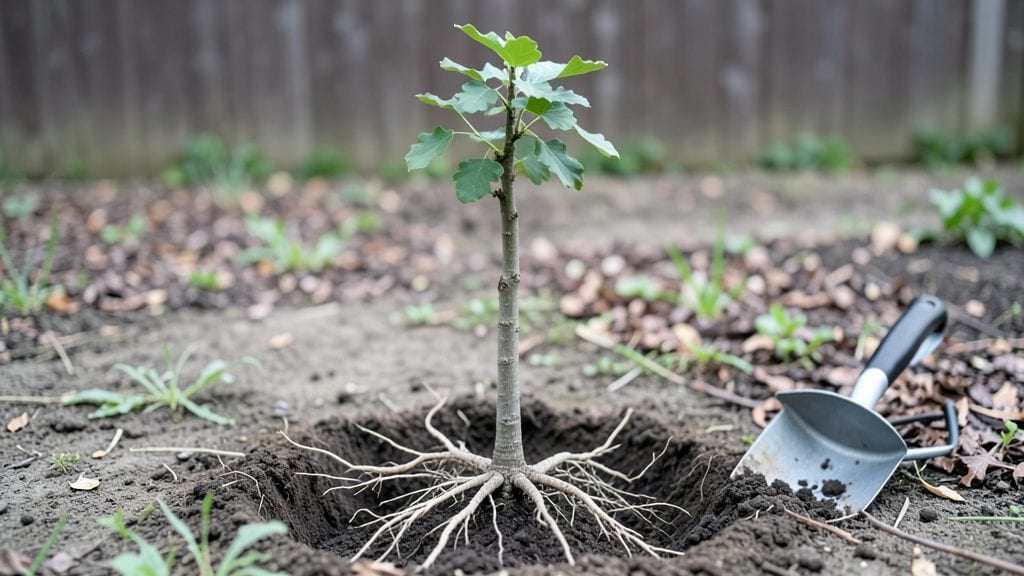
Planting an oak tree sapling means investing in a living legacy that will stand for centuries. 🌳 I still remember the day I buried my first sapling—its roots barely larger than my hand, yet destined to one day shade my grandchildren’s backyard.
The key isn’t just digging a hole; it’s giving that young tree the perfect start so it can grow into a mighty, self-sustaining giant.
Start with the right spot—oaks need full sun and room to spread. Dig a hole twice as wide as the root ball but only as deep, because burying the roots too deep suffocates them.
Amend heavy clay soil with compost to help those roots establish quickly, and avoid planting near sidewalks or driveways where roots might cause damage later. The first few years are critical; give it space to grow strong.
After planting, water deeply to settle the soil around the roots, then mulch with 2–3 inches of wood chips to lock in moisture and protect against weeds. Keep the soil consistently moist but not soggy for the first year—oaks hate "wet feet."
Within a few seasons, you’ll see new shoots signaling success, and that’s when you know you’ve given it the foundation it needs to last.
This works for red, white, or live oaks—just adjust spacing (20–50 feet apart, depending on variety) and be patient. Oak trees grow slowly but surely, and with the right care, yours could still be standing when your great-grandchildren are gardening. Let’s get that sapling in the ground right.
📚 In This Guide
- What you need
- Instructions
- Tips and common mistakes
- Wrapping up and next steps
What you need
- ● 1 healthy oak tree sapling: Choose a 1- to 3-year-old sapling (4–6 feet tall) with a sturdy root system. Look for bare-root or container-grown options at local nurseries.
- ● 1 shovel or digging tool: A round-point shovel (18–24 inches wide) or post-hole digger for digging the planting hole.
- ● 1 wheelbarrow or bucket: For mixing soil amendments (5–10 gallons capacity).
- ● Native topsoil or compost: 5–10 gallons of high-quality topsoil or compost to improve drainage and fertility.
- ○ 1 tree stake (optional but recommended): A 4–6 foot wooden or metal stake (1–2 inches thick) to support young saplings in windy areas.
- ● 1 tree tie or soft garden strap: To secure the sapling to the stake without damaging the trunk.
- ○ Mulch (optional but helpful): 2–3 inches of wood chips, straw, or pine needles to retain moisture and suppress weeds.
- ● Location: Pick a spot with full sun (6+ hours/day), well-draining soil, and at least 50 feet from structures, power lines, or other trees (oaks need space to thrive!).
- ● Soil test (recommended): Check your soil’s pH (oaks prefer slightly acidic to neutral, 6.0–7.5). Test kits are available at garden centers.
- ● Water source: Ensure easy access to water for the first 2–3 weeks (deep watering 2–3 times per week).
- ● Local regulations: Verify if your area requires permits for planting large trees (especially near sidewalks or streets).
Step-by-step instructions for planting an oak tree sapling
Oak trees grow for centuries—start them right and they'll anchor your landscape for generations.
🪴 Step 1: Choose the Perfect Planting Spot
Oak saplings need full sun—at least 6-8 hours daily—to develop strong trunks and broad canopies. Avoid low spots where water pools, as oak roots rot easily in soggy soil. I always check the area's natural drainage by digging a 12-inch deep test hole and watching how quickly water drains away.
Consider future growth: mature oaks spread 30-50 feet wide and 60-80 feet tall. Keep power lines, sidewalks, and structures at least 50 feet away to prevent root conflicts. If planting near a building, position the sapling so its roots grow away from the foundation.
🌱 Step 2: Prepare the Soil and Dig the Hole
Oaks thrive in well-draining soil with a slightly acidic pH (around 6.0-7.0). If your soil is heavy clay or compacted, amend it with 3-4 inches of compost mixed into the top 12 inches of soil. Avoid digging deeper than necessary—oaks don’t need extra depth, but their roots will spread wide.
Dig a hole twice as wide as the sapling’s root ball but no deeper. This encourages roots to spread horizontally rather than growing downward in search of moisture. Loosen the sides of the hole with a shovel or hands to reduce compaction when backfilling. If the soil is dry, water the hole 1-2 days before planting to help roots settle.
💧 Step 3: Plant the Sapling and Water Deeply
Remove the sapling from its container and gently tease the roots apart if they’re circling. Place it in the hole so the top of the root ball sits 1-2 inches above ground level—oaks hate having their trunks buried too deep, which can cause rot. Fill the hole with native soil, tamping it lightly every 2 inches to remove air pockets.
Water immediately after planting to eliminate air gaps and help roots make contact with soil. Give the sapling 1-2 gallons of water (enough to soak the root ball thoroughly). Mulch the base with 2-3 inches of wood chips or straw, keeping mulch 6 inches away from the trunk to prevent moisture buildup that invites pests.
☀️ Step 4: Stake and Protect for Long-Term Stability
Young oaks need support until their roots establish, usually 1-2 years. Install two 4-foot stakes on opposite sides of the sapling, about 6 inches from the trunk. Tie the trunk loosely to the stakes with soft tree ties or strips of old fabric—never wire, which can girdle the bark as it grows. Adjust ties every 3-4 months as the trunk thickens.
Protect the sapling from wildlife and mechanical damage with a wire tree guard or hardware cloth cylinder buried 6 inches deep around the base. Deer and rabbits love young oaks, and even a single browse can stunt growth for years. Water deeply once a week during the first growing season, aiming for 1-2 inches of water per week (more in extreme heat).
⏰ Step 5: Monitor and Maintain Through the First Year
Check the soil moisture weekly by sticking your finger 2 inches deep—if it feels dry, water thoroughly. Avoid overwatering, which causes root rot. Prune only to remove broken or crossing branches in the first year; oaks heal slowly, and unnecessary cuts stress the sapling. Fertilize lightly in spring with a balanced 10-10-10 formula (follow package rates for young trees).
Watch for signs of stress: yellowing leaves may indicate overwatering or poor drainage, while wilting suggests underwatering or root damage. If leaves appear curled or speckled, inspect for pests like spider mites or scale. A strong oak sapling will show steady growth of 12-24 inches per year—if it stalls, revisit watering, soil quality, or sunlight exposure. Patience pays off: oaks grow slowly but live for centuries.
Tips & tricks for planting oak tree saplings
Planting an oak sapling is a lifelong investment—here's how to set yours up for success from day one.
The Sunlight Secret: That 6-8 hours of daily sun isn't just a recommendation—it's non-negotiable for strong growth. I've seen saplings planted in partial shade struggle for years, while those in full sun develop sturdy trunks within months. If your yard has afternoon shade, consider planting on the east side of structures where morning sun dominates. Remember, oak leaves need that sunlight to perform photosynthesis and fuel growth.
Root Ball Rescue: When removing your sapling from its container, gently squeeze the root ball to check for circling roots. If you find roots growing in tight circles, use your fingers or a knife to carefully tease them apart before planting. This prevents girdling—a common issue where roots strangle themselves as the tree grows. Think of it as giving your tree's roots room to breathe and spread naturally.
Mulch Magic: The 2-3 inches of mulch around your sapling serves two critical purposes: it conserves moisture and regulates soil temperature. I always use wood chips because they break down slowly, adding organic matter to the soil over time. Keep that mulch ring 6 inches away from the trunk to prevent rot—this is one of those small details that makes a big difference in long-term health.
Staking Strategy: Those 4-foot stakes might seem overkill, but they're essential for the first 1-2 years when roots are still establishing. I've seen too many saplings topple in strong winds because their stakes were too short or loosely tied. Use soft tree ties and adjust them every 3-4 months as the trunk grows—this prevents the ties from cutting into the bark as the tree matures.
Pro Tips for Planting An Oak Tree Sapling
- Planting an oak sapling is a lifelong investment—here's how to set yours up for success from day one.
- The Sunlight Secret: That 6-8 hours of daily sun isn't just a recommendation—it's non-negotiable for strong growth.
- Root Ball Rescue: When removing your sapling from its container, gently squeeze the root ball to check for circling roots.
Frequently asked questions
Got questions about planting your oak tree sapling? You’re not alone—this process can feel tricky at first! Below, we’ve answered the most common questions to help you feel confident and prepared for success.
When is the best time of year to plant an oak sapling?
The ideal window is late fall to early spring (October through March), when the tree is dormant. This gives roots time to establish before summer heat. Avoid planting in extreme heat or frost—oaks are sensitive to stress during these times. If you must plant in summer, water deeply and mulch heavily to reduce shock.
How deep should I plant the sapling’s root ball?
Plant the sapling so the top of the root ball sits just above ground level—never bury the trunk or roots too deeply. Use a reference point: the flare at the base of the trunk (where roots meet stem) should be visible above soil. If planted too deep, roots may suffocate; too shallow, and they won’t anchor properly.
How often should I water a newly planted oak sapling?
Water deeply 2–3 times per week for the first year, ensuring soil stays moist (but not soggy) 6–12 inches down. After that, reduce to once a week during dry spells. Oaks have deep roots, so frequent shallow watering encourages weak growth. Use a soaker hose or drip irrigation to avoid wetting leaves (which can cause disease).
Can I plant an oak sapling in a container or small yard?
Oaks need space to thrive—most varieties require at least 50–75 feet of clearance for mature roots and branches. If your yard is small, consider a dwarf cultivar like ‘Burr Oak’ or ‘Pin Oak’, which stay under 40 feet tall. Containers are not recommended for long-term growth; oaks need permanent, undisturbed soil.
What should I do if my sapling’s leaves turn brown or wilt?
Brown leaves often signal underwatering, overwatering, or stress. Check soil moisture (stick your finger 2 inches down—dry? Water more; mushy? Reduce frequency). Wilting could also mean root damage during planting or pests like spider mites. Trim affected leaves, adjust watering, and inspect for bugs. If the issue persists, consult a local arborist.
Are there any local regulations or permits for planting oaks?
Some cities or HOAs require permits for planting large trees (like oaks) near power lines, sidewalks, or property lines. Check with your local municipality or utility company before digging. Many areas also offer rebates or free saplings for native trees—worth a quick call to your city’s parks department!
Wrapping up and next steps
Planting an oak tree sapling is more than just a gardening task—it’s an investment in nature’s legacy.
With the right tools, patience, and care, you’re giving future generations a towering symbol of strength and beauty. 🌳 Now that you’re armed with knowledge, take that next step: mark your spot, dig with confidence, and nurture your sapling like the champion it’s meant to be.
Ready to watch it grow? Start planting today!