
Aphids
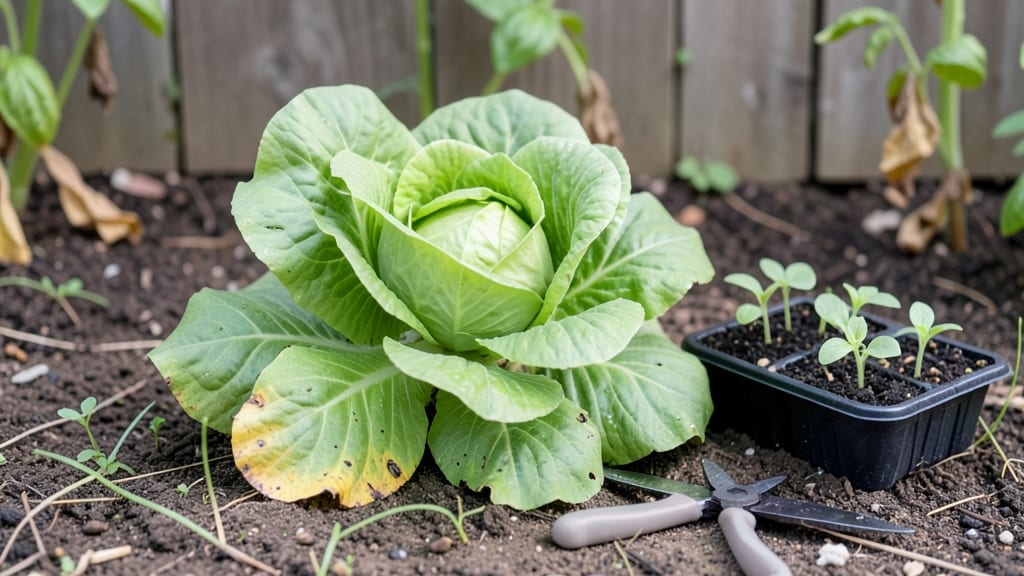
Planting Bibb lettuce delivers crisp, buttery leaves in just 30 days—my favorite way to get fresh greens without waiting months. This cold-resistant variety thrives in early spring or fall, making it perfect for gardeners who want quick harvests before summer heat sets in.
The secret lies in loose, fertile soil and consistent moisture, which I’ve perfected after three seasons of trial and error.
Start with well-draining soil mixed with compost to give roots the nutrients they crave. Sow seeds ¼ inch deep, spacing them 12 inches apart in rows 18 inches apart for full-sized heads. If space is tight, use 5-gallon containers with 3-4 plants per pot—they’ll still grow beautifully.
Water gently after planting to settle the soil without disturbing seeds, and keep the surface moist until germination, which typically takes 7-10 days in cool weather.
Within 2-3 weeks, you’ll see tender baby leaves ready for harvesting. The key to fast growth is morning sun and afternoon shade in hot climates, plus 1 inch of water per week—never let the soil dry out completely.
For a continuous supply, succession plant every 2 weeks until 6 weeks before your first frost. The first harvest will be worth the effort: sweet, tender leaves that taste fresher than anything from the store.
If you’re new to lettuce, watch for slugs or aphids early on—both love young plants. A light neem oil spray keeps pests at bay without harming the crop. And if germination takes longer than expected, try soaking seeds overnight to kickstart growth.
With these steps, you’ll have a foolproof system for crisp Bibb lettuce all season long.
📚 In This Guide
- What you need
- Instructions
- Tips and common mistakes
- Wrapping up and next steps
What you need
- ● Bibb Lettuce Seeds: 1–2 packets (200–300 seeds total, depending on spacing). Look for cold-hardy varieties like Buttercrunch or Blushing Butter.
- ● Growing Space: In-ground garden: 12–18 inches of space per plant, rows 12–18 inches apart.
- ● Containers: At least 6-inch-deep pots (2–3 plants per 12-inch container).
- ● Raised beds: 10–12 inches of soil depth, with 6–8 inches between plants.
- ● Soil: Well-draining, loamy soil with a pH of 6.0–7.0. Mix in 2–3 inches of compost for nutrients.
- ● Watering Can or Hose: With a gentle spray nozzle to avoid disturbing seedlings.
- ○ Garden Gloves: Optional but helpful for handling soil and seeds.
- ● Row Covers or Cold Frame: To extend the growing season in cooler climates.
- ● Fertilizer: Balanced organic fertilizer (e.g., 10-10-10) or compost tea for a nutrient boost.
- ● Mulch: Straw or shredded leaves to retain moisture and suppress weeds.
- ● Seedling Trays: For starting indoors 4–6 weeks before the last frost.
- ● Pest Control: Neem oil or diatomaceous earth to deter aphids (common in lettuce!).
Step-by-step instructions for planting Bibb lettuce
Here's how to grow this cold-hardy variety with minimal fuss—ready for harvest in just 30-40 days.
Prepare the Soil for Optimal Germination
Bibb lettuce thrives in well-draining, nutrient-rich soil with a pH between 6.0 and 7.0. Work 2-3 inches of compost into the top 6 inches of soil to improve fertility and moisture retention. This variety dislikes heavy clay, so if your soil compacts easily, mix in 1-2 inches of coarse sand or perlite to loosen it up.
Clear the planting area of weeds and debris, then rake the soil smooth to create a fine seedbed. The goal is a surface that’s firm enough to hold seeds in place but loose enough for tender roots to penetrate easily. Water the soil lightly before planting—it should feel like a damp sponge, not a soggy mess.
Sow Seeds at the Right Depth and Spacing
Scatter Bibb lettuce seeds thinly across the prepared soil, aiming for seeds spaced about ½ inch apart. Sowing too densely leads to weak, crowded plants that bolt prematurely. For a 4-foot row, you’ll need roughly 1 teaspoon of seeds—they’re tiny, so I use a fine-mesh strainer to distribute them evenly.
Cover the seeds with a thin layer of soil—no more than ¼ inch deep. Press gently to ensure good seed-to-soil contact, but don’t compact the surface. Water with a fine mist to avoid displacing seeds, and keep the soil consistently moist until germination. You’ll see first sprouts in 7-14 days, depending on soil temperature.
Thin Seedlings for Stronger Growth
Once seedlings reach 1-2 inches tall, thin them to stand 8-12 inches apart in rows spaced 12-18 inches apart. Use a small knife or your fingers to snip unwanted seedlings at soil level—pulling risks disturbing roots. This may seem wasteful, but crowded plants compete for nutrients and light, leading to bitter leaves and early bolting.
Thin on a cool, overcast day to reduce stress on remaining plants. Water deeply after thinning to help roots recover. You’ll notice healthier, more vigorous growth within a week—stronger stems and deeper green leaves signal you’ve done it right.
Maintain Moisture and Protect from Bolting
Bibb lettuce needs consistent moisture to prevent bitterness and bolting. Water early in the morning to allow foliage to dry before evening, reducing disease risk. Aim for 1 inch of water per week, adjusting for rainfall. Let the top inch of soil dry slightly between waterings—this encourages deeper root growth.
To delay bolting in warm weather, provide light shade (30-50% shade cloth) during peak afternoon sun. Harvest outer leaves first, cutting just above the soil line with clean scissors. This encourages continuous production and prevents the plant from sending up a flower stalk. With proper care, you’ll enjoy multiple harvests over 4-6 weeks.
Harvest at Peak Freshness
Harvest individual leaves as needed, or cut the entire head when it reaches 4-6 inches wide. Use a sharp knife to make clean cuts at the base. For loose-leaf varieties, pick outer leaves first—they’re more mature and tender. Harvest in the morning after dew has dried to preserve crispness and flavor.
Store harvested leaves in a plastic bag with a paper towel to absorb moisture. Keep them refrigerated for up to 5-7 days. If your plants bolt before maturity, snip the flower stalk and replant seeds—Bibb lettuce often self-seeds readily, giving you a second crop with minimal effort.
Tips & tricks for perfect Bibb lettuce planting
Growing Bibb lettuce quickly and successfully comes down to a few key strategies that align with its cold-resistant nature and rapid growth cycle.
Soil Preparation Insight: When amending your soil with 2-3 inches of compost and 1-2 inches of sand or perlite as instructed, focus on creating a loose, almost fluffy texture. The goal is to mimic the airy consistency of a well-aerated cake batter—this allows those delicate roots to establish quickly. I've found that working in a handful of worm castings along with the compost gives an extra nutrient boost without overwhelming the plants. This preparation directly impacts the 30-40 day harvest timeline by ensuring optimal root development from day one.
Seed Distribution Technique: For that crucial ½ inch spacing between seeds, I recommend using a simple DIY seed spacing tool. Cut a small slit in the bottom of a plastic bottle cap, then use it like a funnel to drop seeds at precise intervals. This method ensures even distribution without the guesswork of scattering by hand. Remember, those first sprouts in 7-14 days will be your reward for this careful spacing—crowded plants grow bitter and leggy, defeating the purpose of this fast-growing variety.
Thinning Strategy: The thinning process in Step 3 is where many gardeners make their first mistake. Instead of pulling seedlings—which can damage remaining roots—use clean scissors to snip at soil level. I've found that thinning on a cool, overcast day (as instructed) makes all the difference in plant recovery. After thinning, water deeply to help the remaining plants establish stronger root systems. Within a week, you'll notice the difference in vigor—plants will develop deeper green leaves and more robust stems, setting the stage for that promised 4-6 week harvest window.
Moisture Management: Maintaining consistent moisture is absolutely critical, especially during that 1 inch per week requirement. I've developed a simple routine: water early in the morning using a soaker hose or drip irrigation system. This allows foliage to dry completely before evening, reducing disease risk while keeping roots hydrated. The key is to let the top inch of soil dry slightly between waterings—this encourages deeper root growth rather than shallow, weak roots that can't support the plant during its rapid growth phase.
Pro Tips for Planting Bibb Lettuce
- Growing Bibb lettuce quickly and successfully comes down to a few key strategies that align with its cold-resistant nature and rapid growth cycle.
- Soil Preparation Insight: When amending your soil with 2-3 inches of compost and 1-2 inches of sand or perlite as instructed, focus on creating a loose, almost fluffy texture.
- Seed Distribution Technique: For that crucial ½ inch spacing between seeds, I recommend using a simple DIY seed spacing tool.
Frequently asked questions
Got questions about growing Bibb lettuce? You’re not alone! Here are answers to the most common queries to help you grow crisp, delicious heads with ease.
When is the best time to plant Bibb lettuce?
Bibb lettuce thrives in cool weather, so plant it 4–6 weeks before your last frost date in spring or 6–8 weeks before your first frost in fall. Avoid summer heat—it bolts quickly! For year-round harvests, try successive plantings every 2–3 weeks.
How do I protect Bibb lettuce from pests like aphids?
Aphids love Bibb lettuce, but you can prevent infestations with neem oil or insecticidal soap. For organic control, spray water to knock them off or introduce ladybugs. Check the undersides of leaves weekly for early signs.
How long does it take for Bibb lettuce to mature?
Most varieties take 30–50 days to reach harvest size, depending on the type (loose-leaf or head). Buttercrunch Bibb (a popular choice) typically matures in 40–45 days. Check seed packets for exact timelines—patience pays off with tender, flavorful leaves!
Can I grow Bibb lettuce in containers or indoors?
Bibb lettuce grows well in 5–6 inch deep containers with drainage. Use a light, well-draining potting mix and place it in bright, indirect light (a sunny windowsill works). For indoor growth, a grow light ensures success—just keep temps below 75°F to avoid bolting.
What can I do if my Bibb lettuce turns bitter?
Bitter taste usually means heat stress or bolting. To fix it:
- Harvest outer leaves first to keep the center tender.
- Move plants to partial shade if temps rise above 70°F.
- Try shade cloth (30–50%) for summer plantings.
- For stubborn bolting, harvest quickly and replant cooler-season varieties.
Wrapping up and next steps
Growing Bibb lettuce is a rewarding experience—whether you're a seasoned gardener or a beginner eager to try your hand at cold-resistant greens!
With the right soil, spacing, and care, you’ll enjoy crisp, buttery leaves in just 30-40 days. 🌱 Don’t let aphids or frost scare you off; follow these tips to protect your harvest and savor fresh salads year-round.
Ready to take the next step? Start small—plant a few seeds in containers or your garden bed, and soon you’ll be harvesting enough for sandwiches, wraps, or even gifting to neighbors. Happy planting! 🌿