
Vegetables
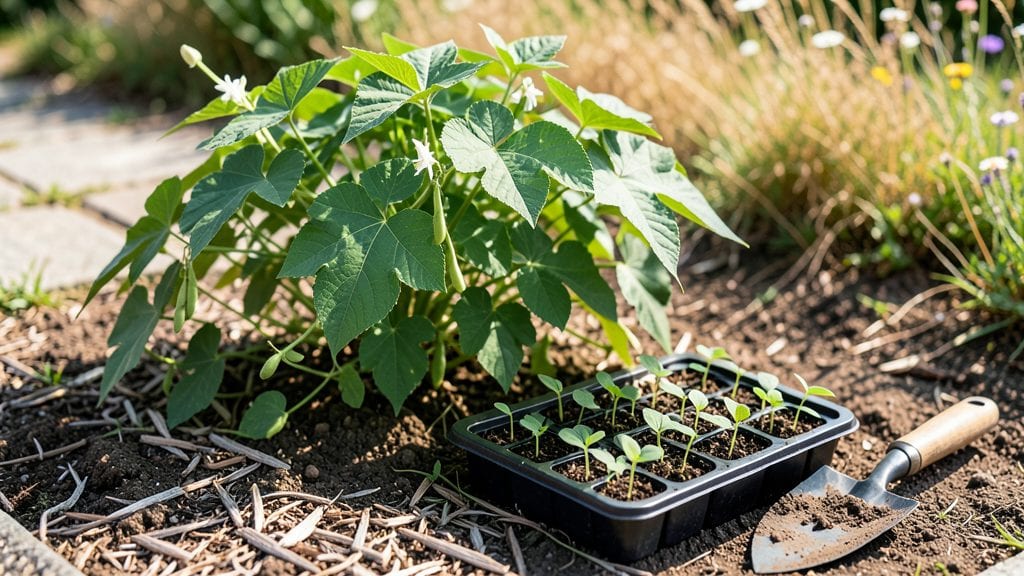
Planting butter beans is a smart move if you crave fast harvests—these speedy legumes deliver in just 50-60 days, unlike slower-growing varieties.
I planted my first row last spring and was snipping pods within weeks, and the secret isn’t fancy soil or special seeds but timing, spacing, and a little patience. The vines spread quickly but stay manageable, making them perfect for small gardens or containers.
My first batch produced so many beans I shared jars with neighbors, and I’ve never looked back since.
You’ll need a sunny spot with at least 6-8 hours of light, loose soil that drains well, and a trellis or sturdy fence for the vines to climb. Butter beans hate soggy roots, so if your soil stays damp, raise beds or mix in compost to improve drainage.
Plant seeds 1 inch deep, spacing them 4-6 inches apart in rows 18-24 inches apart—this gives them room to sprawl without crowding. Water gently after planting to settle the soil, then keep it consistently moist but never waterlogged.
What you’ll end up with is a lush, productive vine covered in creamy-white pods that snap fresh from the plant. The beans taste best when picked young and tender, and a single plant can yield 10-15 pounds of harvest if cared for properly.
The more you pick, the more the plant produces—it’s a self-replenishing cycle that keeps giving all season. By late summer, you’ll have jars full of homegrown beans ready for canning or freezing.
Works in most climates as long as you plant after the last frost—typically April through June in most regions. If you live in a hot zone, start early to avoid the peak summer heat.
The biggest mistake beginners make is overcrowding or underwatering, so pay attention to those first few weeks. With the right setup, you’ll have fresh butter beans faster than you think—and way more than you’ll know what to do with.
📚 In This Guide
- What you need
- Instructions
- Tips and common mistakes
- Wrapping up and next steps
What you need
- ● Butter Bean Seeds: 1–2 lbs (or ~150–300 seeds, depending on spacing). Choose a fast-maturing variety like ‘Fordhook’ or ‘Kentucky Wonder’ for quicker harvests.
- ● Garden Space: Direct sunlight (6–8 hours/day).
- ● Well-draining soil with a pH of 6.0–7.0.
- ● Space: 4–6 inches apart in rows 3 feet apart (or trellis for vertical growth).
- ● Soil Amendments: Compost or aged manure (1–2 inches mixed into the top 6 inches of soil).
- ● Balanced fertilizer (10-10-10, 1 tbsp per plant at planting time).
- ● Watering Supplies: Garden hose with a gentle spray nozzle or drip irrigation system.
- ● Watering can (for seedlings).
- ● Planting Tools: Hand trowel or garden fork.
- ● Measuring tape or ruler (for spacing).
- ○ Trellis or Support (Optional): Bamboo stakes, wire mesh, or netting (if growing vertically).
- ● Mulch (straw or grass clippings) to retain moisture and suppress weeds.
- ● Row covers or shade cloth (for early planting or hot climates).
- ● Plant markers (to track varieties and spacing).
- ● Pruning shears (for trimming vines if needed).
- ● Pest control: Neem oil or insecticidal soap (for aphids or beetles).
Step-by-Step instructions for planting butter beans
Here’s how to get these fast-growing vines thriving in just a few weeks.
Choose the Right Location and Prepare the Soil
Butter beans need a sunny spot with at least 6 hours of direct sunlight daily. I always pick a location where the soil drains well—these vines hate soggy roots. Before planting, loosen the top 6 inches of soil with a garden fork to help roots spread easily. Work in a handful of compost or aged manure to enrich the soil, but skip fresh manure—it can burn tender young roots.
If your soil is heavy clay, mix in 2 inches of coarse sand or perlite to improve drainage. Butter beans grow best in soil with a pH between 6.0 and 7.0, so if your soil is acidic, add a bit of lime a few weeks before planting. You’ll know the soil is ready when it crumbles easily between your fingers and holds moisture without feeling wet.
Plant Seeds at the Right Depth and Spacing
Sow seeds 1 inch deep and 3 to 4 inches apart in rows that are 18 to 24 inches apart. Butter beans germinate quickly in warm soil, so wait until the ground temperature reaches at least 60°F—I test this by pressing my hand into the soil for a few seconds. If it feels warm to the touch, it’s ready.
Plant seeds individually rather than scattering them—this prevents overcrowding and makes thinning easier later. If you’re planting in cooler climates, consider using black plastic mulch to warm the soil and speed up germination. You’ll see sprouts in 5 to 10 days if conditions are ideal, so keep an eye out for those first tiny green leaves.
Water and Maintain Moisture for Fast Growth
Water the soil deeply right after planting to settle it around the seeds, then keep it consistently moist but never soggy. Butter beans need about 1 inch of water per week, but more during dry spells. I water in the morning so the foliage has time to dry before evening, which helps prevent fungal diseases.
Mulch around the plants with 2 inches of straw or shredded leaves to retain moisture and keep weeds down. Avoid piling mulch directly against the stems—leave a 1-inch gap to prevent rot. You’ll know you’re doing it right when the soil stays evenly moist and the vines grow steadily without wilting.
Provide Support and Encourage Vigorous Growth
Butter beans are vigorous climbers, so install 5-foot-tall trellises or stakes as soon as the plants are 4 to 6 inches tall. I use bamboo stakes tied with soft twine to avoid damaging the vines. Guide the main stems along the support as they grow—this keeps the plants upright and makes harvesting easier.
Fertilize lightly with a balanced 10-10-10 fertilizer when the plants are 6 inches tall, but avoid heavy feeding. Too much nitrogen will boost leaf growth at the expense of pods. Instead, focus on consistent watering and occasional side-dressing with compost. You’ll see strong, bushy vines with plenty of flowers within 4 to 6 weeks—that’s when the real fun begins.
Harvest at Peak Maturity for the Best Flavor
Butter beans are ready to harvest when the pods are 4 to 6 inches long and still tender. I check the plants every 2 to 3 days during peak production—these beans don’t stay fresh long once picked. Use a sharp knife or pruners to cut the pods just above the stem to avoid damaging the vine.
Harvesting encourages more production, so keep up with it! If you miss a few pods, they’ll turn woody and tough—so stay on top of it. With regular harvesting, you can expect continuous yields for 6 to 8 weeks before the vines start to decline. Store fresh pods in the fridge for up to 5 days or freeze them for longer storage.
Tips & tricks for planting butter beans
Fast-growing butter beans reward quick action with bountiful harvests—here’s how to maximize their speed and productivity.
Soil Preparation Secret: The 6 hours of sunlight and well-draining soil in Step 1 are non-negotiable, but here’s the extra trick: Mix in a handful of crushed eggshells when preparing your planting area. This adds calcium that prevents blossom-end rot later in the season, especially important during the 6-8 week harvest window. I also test soil pH with a simple kit—aiming for that 6.0-7.0 range makes all the difference for root development.
Germination Timing Tip: Waiting for that 60°F soil temperature is crucial, but don’t rush—cold soil delays germination by days. I’ve found that soaking seeds overnight in warm water (not hot) before planting cuts germination time by about 24 hours. Plant immediately after soaking to maintain moisture. The 5-10 day window in Step 2 becomes 3-7 days with this trick, giving you faster greens to support.
Watering Strategy: The 1 inch of water per week guideline works, but I’ve learned to adjust based on the 2-inch mulch layer. In hot weather, increase to 1.5 inches weekly and water deeply every 3-4 days instead of daily shallow watering. This encourages deeper root growth, which translates to stronger plants that produce more pods during your harvest window. Always water at soil level to prevent fungal diseases on the leaves.
Harvesting Hack: Those 2-3 day checks between harvests in Step 5 pay off big time. I use a small notebook to track harvest dates—when pods appear on the same day each week, you’ve hit peak production. For continuous yields, harvest every 2 days during hot months. Use sharp scissors to snip pods just above the stem without damaging the vine, which keeps plants productive for the full 6-8 weeks.
Pro Tips for Planting Butter Beans
- Fast-growing butter beans reward quick action with bountiful harvests—here’s how to maximize their speed and productivity.
- Soil Preparation Secret: The 6 hours of sunlight and well-draining soil in Step 1 are non-negotiable, but here’s the extra trick: Mix in a handful of crushed eggshells when preparing your planting area.
- Germination Timing Tip: Waiting for that 60°F soil temperature is crucial, but don’t rush—cold soil delays germination by days.
Frequently asked questions
Got questions about planting butter beans?
You’re in the right place! Whether you’re a first-time gardener or a seasoned grower, these answers will help you cultivate a thriving crop with confidence.
When is the best time to plant butter beans?
Butter beans thrive in warm soil, so wait until after the last frost when temperatures consistently stay above 60°F (15°C). For most U.S. regions, this means late spring to early summer. If you live in a hot climate, opt for fall planting (6-8 weeks before your first frost) to avoid summer heat stress.
How long does it take for butter beans to germinate and mature?
Germination typically takes 7–10 days in warm, moist soil. Mature plants produce pods in 50–60 days, depending on variety and growing conditions. For faster results, choose fast-maturing varieties like ‘Contender’ or ‘Henderson,’ which can be ready in as little as 45 days!
Can I plant butter beans in containers? What size pot do I need?
Butter beans are great for containers. Use pots that are at least 12–18 inches deep and wide to accommodate their vining habit. Ensure pots have drainage holes and fill them with well-draining potting mix. Trellis or cage support is a must—these vines grow 4–6 feet tall!
What are common pests or diseases, and how do I prevent them?
Butter beans are generally pest-resistant, but watch for bean beetles, aphids, or powdery mildew in humid conditions. Prevent issues by:
- Rotating crops annually (avoid planting in the same spot yearly).
- Using row covers early in the season to deter pests.
- Watering at the base (not overhead) to reduce mildew risk.
- Removing infected leaves promptly if mildew appears.
What happens if butter beans get too hot or too cold?
Butter beans hate frost—even young seedlings can die if exposed to temps below 50°F (10°C). In hot climates, heat stress (above 90°F/32°C) can stunt growth or cause blossom drop. To help:
- Use shade cloth during extreme heat.
- Plant in partial shade if your area gets scorching summers.
- Water deeply in the early morning to cool roots.
Can I plant butter beans from store-bought beans?
Yes, but only if the beans are organic and untreated (non-GMO, no fungicides). Soak them overnight to speed up germination. Avoid beans from canned or processed foods—they’re often treated to prevent sprouting. For best results, buy seed packets labeled for planting!
Wrapping up and next steps
Planting butter beans is a rewarding journey that yields delicious, nutritious harvests with minimal effort—thanks to their fast germination and hardy nature! 🌱 Whether you’re a beginner or a seasoned gardener, these versatile vines thrive in diverse climates and enrich your soil as they grow.
With the right prep, patience, and a little care, you’ll soon be enjoying homegrown beans in soups, salads, or fresh snacks.
Ready to dig in? Start small with a few plants, experiment with varieties, and watch your garden flourish. Next up: Share your progress or try preserving your harvest—freeze, can, or dry those beans for year-round enjoyment! 🌟