Shrubs
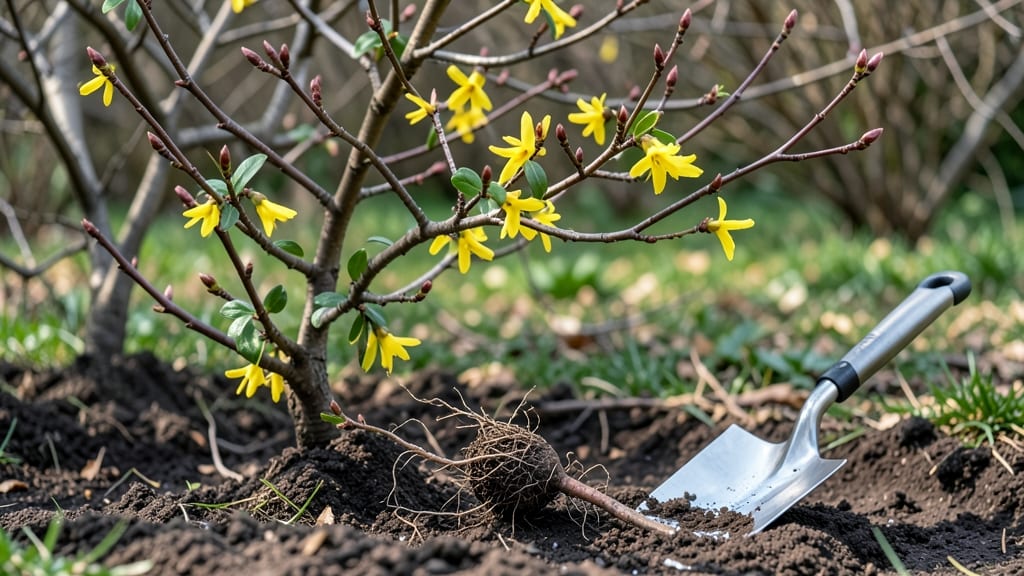
Planting forsythia bushes marks the start of a golden-yellow spring show that brightens every border. 🌟 I’ve planted mine in early fall and late winter—both times, the bright blooms arrived earlier than my neighbors’ because timing matters more than most gardeners realize.
The secret isn’t just digging a hole; it’s about soil, sunlight, and a little patience that pays off in dramatic color.
You’ll need well-draining soil (amend heavy clay with compost), a sunny spot with at least 6 hours of light daily, and space—6 to 8 feet apart for mature bushes. Plant them slightly deeper than their container, firm the soil gently, and water deeply to settle roots.
Most mistakes start here: planting too shallow or in soggy soil, which invites root rot before the first buds even form.
Within weeks, you’ll spot fresh green growth pushing through the soil, and by next spring, those branches will explode with cheerful yellow blooms that last 2 to 3 weeks.
The best part? Forsythia thrives on neglect once established—just prune old wood after flowering to keep the shape tidy and encourage next year’s blooms.
Works in zones 4 through 9, making it a reliable choice for nearly any climate. Whether you’re lining a fence or adding height to a mixed border, these bushes deliver instant curb appeal with almost no effort. Let’s get those roots in the ground!
📚 In This Guide
- What you need
- Instructions
- Tips and common mistakes
- Wrapping up and next steps
What you need
- ● Forsythia bushes: 1–3 plants (depending on desired coverage; spacing them 6–10 feet apart works best). Choose Forsythia x intermedia for hardiness or Forsythia ovata for a more compact look.
- ● Shovel or trowel: A garden spade (for digging holes) and a hand trowel (for delicate root adjustments).
- ● Compost or well-aged manure: 2–3 gallons per plant to enrich the soil.
- ○ Mulch (optional but recommended): 2–3 inches of pine straw, shredded bark, or wood chips to retain moisture and suppress weeds.
- ● Watering can or hose: With a gentle spray nozzle for post-planting hydration.
- ● Garden gloves: To protect your hands from thorns and rough soil.
- ● Pruning shears: For trimming dead or overgrown branches after planting.
- ○ Soil test kit (optional but helpful): To check pH (forsythia thrives in slightly acidic to neutral soil, pH 6.0–7.0).
- ● 🌡️ Best time to plant: Early spring (before buds swell) or early fall for optimal root establishment.
- ● ✨ Sunlight check: Ensure your planting spot gets full sun (6+ hours/day)—forsythia loves to bask!
- ● 🔥 Drainage matters: Avoid soggy soil; forsythia hates "wet feet." Amend clay soil with perlite or sand if needed.
How to plant forsythia bushes for a stunning spring display
Here's the straightforward method I use to plant forsythia—bright, cheerful, and ready to burst into color every spring.
🪴 Step 1: Choose the Perfect Sunny Spot and Dig Your Holes
Forsythia thrives in full sun with at least 6 hours of direct light daily. Pick a location where it won’t be shaded by trees or buildings. I like planting mine along fences or borders where they can be seen from the house. The soil should be well-draining—forsythia hates soggy roots.
Dig holes that are twice as wide as the root ball but only as deep. This allows roots to spread easily without being buried too deep. Loosen the sides of the hole with a shovel so roots can penetrate the soil naturally. If your soil is heavy clay, mix in a few handfuls of compost to improve drainage.
🌱 Step 2: Position and Plant Each Bush Carefully
Gently remove the forsythia from its container and tease the roots outward if they’re circling tightly. Place it in the hole so the top of the root ball sits 1 inch above ground level. Forsythia roots are sensitive to being buried too deep, which can cause rot.
Fill the hole with soil, pressing lightly to remove air pockets but not compacting too firmly. Water deeply right away to settle the soil and eliminate gaps. Space bushes 6-10 feet apart if planting multiple—this gives them room to grow without crowding. I always plant mine in a staggered pattern for a natural, flowing look.
☀️ Step 3: Water and Mulch for Long-Term Success
After planting, water each bush with 1-2 gallons of water to ensure the roots make good contact with the soil. Keep the soil consistently moist for the first 2-3 weeks—enough to keep it damp but not waterlogged. You’ll know it’s right when the top inch feels slightly damp to the touch.
Spread a 2-3 inch layer of mulch around the base, keeping it 3 inches away from the trunk to prevent rot. I use shredded bark or wood chips because they break down slowly and retain moisture. Mulch helps regulate soil temperature and suppresses weeds, which means less work for you later. Avoid piling mulch against the stem—this can trap moisture and harm the plant.
⏰ Step 4: Prune and Care for First-Year Growth
Forsythia is low-maintenance, but I do remove any dead or crossing branches in early spring before new growth starts. This keeps the bush healthy and encourages strong blooms. Avoid heavy pruning—they flower on old wood, so cutting back too much reduces next year’s blossoms.
Fertilize lightly in early spring with a balanced, slow-release fertilizer. Too much nitrogen makes the plant grow leaves instead of flowers. Watch for pests like aphids or spider mites, but forsythia is generally tough. If you see yellowing leaves, check for overwatering or poor drainage.
Tips & tricks for planting forsythia bushes
These simple tricks will help you get the most vibrant, healthy forsythia bushes that burst into cheerful color every spring.
Location is Everything: I can't stress enough how critical that 6 hours of direct sunlight is—forsythia is a sun worshipper! If your yard doesn't get full sun, consider planting near a south-facing wall or fence where it can catch reflected light. I've seen forsythia in partial shade still bloom, but the flowers will be sparse and less vibrant. Trust me, the difference in color intensity is night and day.
Root Ball Prep: Before planting, gently loosen any circling roots you find at the bottom of the container. I like to use my fingers to tease them outward—this helps them spread naturally into the soil. The goal is to mimic how roots would grow in nature, not keep them tightly bound like they are in the pot. This small step makes all the difference in establishing strong root systems.
Watering Wisdom: That 1-2 gallons of water after planting isn't just about settling the soil—it's about creating an oxygen-rich zone around the roots. I've learned the hard way that overwatering right away can suffocate new roots. After the initial watering, let the top inch of soil dry between waterings during those first 2-3 weeks. You'll know you're doing it right when the soil feels damp but not soggy to the touch.
Mulching Magic: The 2-3 inch layer of mulch isn't just for looks—it's a protective blanket for your forsythia. I always use shredded bark because it breaks down slowly and improves soil quality over time. The key is keeping it 3 inches away from the trunk to prevent rot. Pro tip: Refresh your mulch layer every spring after it breaks down. This simple maintenance keeps weeds at bay and maintains that perfect soil temperature.
Pro Tips for Planting Forsythia Bushes
- These simple tricks will help you get the most vibrant, healthy forsythia bushes that burst into cheerful color every spring.
- Location is Everything: I can't stress enough how critical that 6 hours of direct sunlight is—forsythia is a sun worshipper!
- Root Ball Prep: Before planting, gently loosen any circling roots you find at the bottom of the container.
Frequently asked questions
Got questions about planting forsythia bushes? You’re not alone! Here are some of the most common queries—plus quick, practical answers to help you get it right.
When is the best time to plant forsythia bushes?
Forsythia thrives when planted in early spring or fall—just as the soil is workable but before extreme heat or frost sets in. Spring planting (March–April) gives roots time to establish before summer, while fall (September–October) avoids winter stress. Avoid planting in mid-summer, as the heat can shock delicate roots.
How far apart should I space forsythia bushes?
Give your forsythia bushes room to grow! Space them 6–10 feet apart for a full, lush border. If you’re planting in a hedge, keep them 3–5 feet apart for tighter growth. Remember, forsythia can spread—so plan for mature size to avoid overcrowding later.
Why aren’t my forsythia bushes blooming?
If your forsythia is healthy but not flowering, it might need more sunlight (6+ hours/day) or better drainage. Over-fertilizing (especially with high nitrogen) can also delay blooms—use a balanced 10-10-10 fertilizer in early spring instead. Young bushes may take 2–3 years to bloom, so patience is key!
Can I plant forsythia in a container instead of the ground?
Yes! Forsythia adapts well to large containers (15+ gallons) with drainage holes. Use a well-draining potting mix and repot every 2–3 years to refresh nutrients. Just know: container-grown forsythia may need more frequent watering and could bloom less vigorously than ground-planted shrubs.
Are forsythia bushes prone to pests or diseases?
Forsythia is generally low-maintenance, but watch for aphids, spider mites, or powdery mildew in humid climates. Treat pests with neem oil or a strong spray of water. For mildew, improve airflow and avoid overhead watering. Prune dead or diseased branches promptly to keep your bush thriving!
Wrapping up and next steps
Planting forsythia bushes is a rewarding way to bring vibrant color and cheerful energy to your garden! 🌸 With the right location, soil prep, and care, these early bloomers will thrive and brighten your landscape for years.
Now that you’re armed with the know-how, go ahead and dig in—your future springtime display is just a few shovel strokes away!
Ready to take the next step? Mark your calendar for late fall or early spring planting, and watch your forsythia transform into a stunning focal point. Happy gardening! 🌱