
Propagation
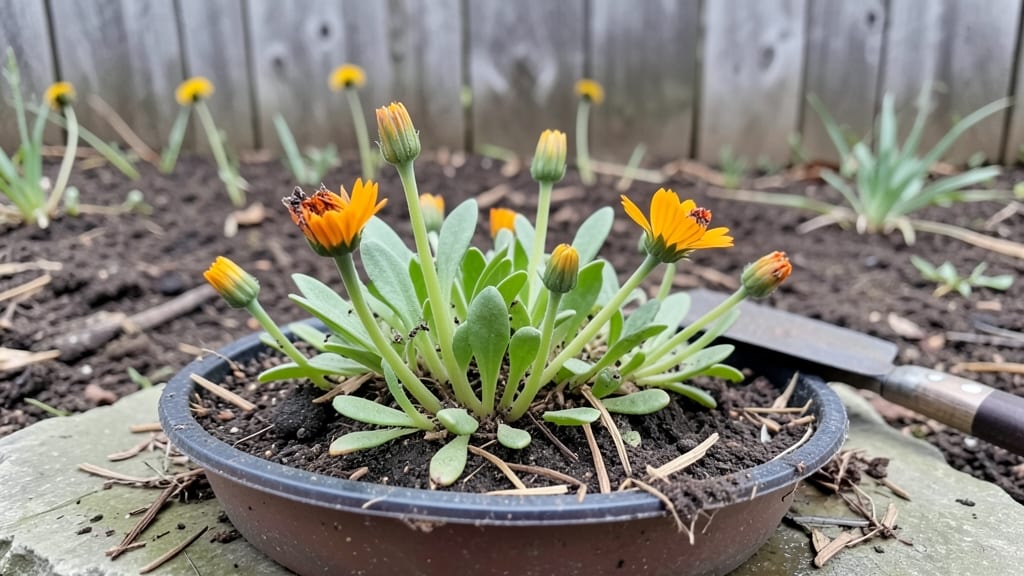
Planting gazania seeds gives you those shockingly bright orange and red blooms that turn heads in any garden. ✨ I've learned the hard way that these sun-loving annuals need specific care to germinate, and skipping these steps means waiting months for flowers—or worse, no blooms at all.
The secret starts with warm soil—gazanias refuse to sprout in cold ground. You'll need a sunny spot, well-draining soil mix, and patience for their slow start. Most beginners overwater or plant too deep, both of which kill seedlings before they even peek through the soil.
I'll show you the exact spacing and moisture levels that work every time.
By week 4, you'll see tiny green leaves unfolding, and by late spring, those bold blooms will open daily. The flowers stay vibrant until frost, and the plants spread naturally if you let them.
Even in containers, gazanias thrive as long as they get at least 6 hours of sunlight and good drainage.
Whether you're sowing indoors for a head start or directly in the garden, these steps keep things simple. The key is consistency—once you get the timing right, gazanias reward you with nonstop color all season long.
📚 In This Guide
- What you need
- Instructions
- Tips and common mistakes
- Wrapping up and next steps
What you need
- ● Gazania seeds: 1–2 packets (50–100 seeds per packet, depending on variety). Choose heirloom or hybrid types for bold colors!
- ● Seed-starting mix: 1–2 gallons of sterile, well-draining potting soil (avoid garden soil—it’s too dense!).
- ● Containers: Small seed trays (with drainage holes) or
- ● Biodegradable peat pots (3–4 inches deep) for easy transplanting.
- ● Watering can or spray bottle: With a fine mist nozzle to avoid disturbing seeds.
- ● Clear plastic wrap or humidity dome: To retain moisture while seeds germinate.
- ● Grow lights or sunny windowsill: Gazania seeds need bright light (12+ hours/day) to sprout.
- ● Heat mat: Keeps soil 70–75°F for faster germination (accelerates sprouting by 3–5 days!).
- ● Fertilizer: A balanced, water-soluble formula (5-10-5 ratio) for post-germination growth.
- ● Tweezers: For gently placing tiny seeds without over-handling.
- ● Label markers: To track planting dates and varieties (trust us, you’ll thank yourself later!).
How to plant gazania seeds for stunning summer color
Here's my foolproof method for growing these drought-tolerant beauties from seed.
🌱 Step 1: Prepare Containers and Starting Mix
Fill your 4-inch pots with a light, well-draining seed-starting mix—gazania roots hate soggy soil. I like to mix in a bit of perlite to improve aeration. Press the mix down gently until it's firm but not compacted. You want a surface that's smooth enough to scatter seeds evenly but firm enough to hold them in place.
Moisten the mix until it's damp to the touch but not dripping. Think of it like a wrung-out sponge—you should see moisture at the bottom of the pot when you lift it, but no water pooling. This prevents both overwatering and seed rot. I always label my pots with the date and variety since gazania seedlings look identical at first.
🌱 Step 2: Sow Seeds and Create Ideal Germination Conditions
Scatter seeds thinly across the soil surface—gazania seeds are tiny, so I use a toothpick to space them about ¼ inch apart. Press them lightly into the mix with your finger, but don't cover them. These seeds need light to germinate, and burying them too deep will delay sprouting.
Place the pots in a warm, bright spot where temperatures stay between 70-75°F. I use a seedling heat mat for the first week to ensure consistent warmth. Keep the soil lightly moist by misting daily—never let it dry out completely, but avoid soggy conditions. You'll see those first green sprouts in about 10-14 days, though some varieties can take up to 21 days.
☀️ Step 3: Provide Bright Light and Harden Off Seedlings
Once seedlings emerge, move them to the brightest window you have—south-facing is ideal. Gazania seedlings need 6-8 hours of direct light daily to prevent leggy growth. If your seedlings start stretching toward the light with pale stems, they're not getting enough intensity. I supplement with a grow light if natural light is insufficient.
After about 4 weeks, when seedlings have 2-3 sets of true leaves, begin hardening them off. Start with 1 hour outside in a sheltered spot, then gradually increase exposure over 7-10 days. Watch for any wilting—gazania are drought-tolerant but still need time to adjust. Plant outdoors after the last frost when soil temperatures reach at least 60°F.
🪴 Step 4: Transplant and Establish Outdoor Plants
Space your gazania seedlings 6-8 inches apart in full sun locations. These plants thrive in hot, dry conditions but need well-draining soil. I always add a 1-inch layer of gravel at the bottom of planting holes to prevent waterlogging. Water deeply after transplanting to help roots establish.
Once established, gazania are incredibly low-maintenance. Water only when the top 1-2 inches of soil feel dry, and you'll be rewarded with vibrant blooms all summer long. The key is patience—these seeds take a bit longer to germinate than some annuals, but the payoff is worth it.
Tips & tricks for perfect gazania seedlings
These simple strategies will help you avoid common pitfalls and grow gazania that burst with color.
Seed Placement Tip: In Step 2, when scattering those ¼-inch-apart seeds, I use a toothpick to create tiny divots—this prevents seeds from clumping together and gives each one its own space to germinate. The key is patience: don't press too hard, just enough to make contact with the soil surface. These seeds need light to sprout, so keep them uncovered.
Temperature Matters: Maintaining that 70-75°F range during germination is crucial. I've found that placing pots on a seedling heat mat for the first week makes all the difference—especially if your home runs cooler. If you don't have a heat mat, try setting pots on top of your refrigerator (not inside) for gentle warmth. The goal is consistent heat without overheating.
Light Strategy: For Step 3's 6-8 hours of direct light, position your seedlings within 6 inches of a south-facing window. If you notice seedlings stretching toward the light with pale stems, they're begging for more intensity. I keep a grow light on a timer for 12 hours daily during winter months—this prevents leggy growth and keeps stems sturdy. Rotate pots daily for even growth.
Hardening Off: The 7-10 day hardening process in Step 3 is where many gardeners rush and end up with shocked plants. Start with just 1 hour in partial shade, then gradually increase exposure. I watch for wilting as my signal—if leaves droop but perk up after watering, they're adjusting fine. By day 7, most gazania can handle full sun for their final hour outside.
Pro Tips for Planting Gazania Seeds
- These simple strategies will help you avoid common pitfalls and grow gazania that burst with color.
- Seed Placement Tip: In Step 2, when scattering those ¼-inch-apart seeds, I use a toothpick to create tiny divots—this prevents seeds from clumping together and gives each one its own space to germinate.
- Temperature Matters: Maintaining that 70-75°F range during germination is crucial.
Frequently asked questions
Got questions about planting gazania seeds? You’re not alone—these cheerful blooms spark curiosity! Below, we tackle the most common queries to help you grow a vibrant display with confidence.
When is the best time to plant gazania seeds?
Gazania thrives in warm soil, so wait until after the last frost in spring (or late summer for fall blooms). For indoor starts, sow seeds 6-8 weeks before transplanting in a sunny window or under grow lights. Pro tip: Gazanias hate cold—never plant in chilly weather!
How long does it take for gazania seeds to germinate?
Germination usually takes 7–14 days in warm, moist soil (70–75°F). Keep seeds lightly covered with soil (¼ inch deep) and maintain consistent moisture. Troubleshooting: If no sprouts appear after 2 weeks, check for dampness (overwatering can rot seeds) or low light.
Do gazania seeds need light to germinate?
Yes! Gazania seeds require light to sprout—don’t bury them too deep. After sowing, place the tray in a bright, warm spot (like a sunny windowsill). Once seedlings emerge, move them to a south-facing window or under grow lights for 12+ hours daily.
Can I plant gazania seeds directly in the garden?
For direct sowing, wait until soil is at least 60°F and all frost risk has passed. Scatter seeds thinly (they’re tiny!) on prepared soil, press lightly, and water gently. Alternative: Start indoors for earlier blooms, then transplant seedlings 6–8 inches apart when they’re 2–3 inches tall.
Why aren’t my gazania seeds sprouting?
Common culprits:
- Cold soil: Gazanias need warmth—wait for consistent temps above 60°F.
- Dampness: Overwatering causes rot; let soil dry slightly between waterings.
- Old seeds: Store-bought seeds last 1–2 years; test viability by soaking a few in water (they should sink).
- Poor light: Move trays to a sunnier spot or use grow lights.
Wrapping up and next steps
Growing gazania seeds is a rewarding journey that brings vibrant color to your garden with minimal effort! With the right soil, sunlight, and patience, you’ll soon enjoy those cheerful blooms—perfect for borders, containers, or even sunny window boxes. 🌻
Ready to dive in? Start by gathering your supplies, then follow the simple steps to sow those seeds. Once your gazanias sprout and flourish, you’ll be hooked on this easy, low-maintenance way to add bold beauty to your outdoor space. Happy planting!