Propagation
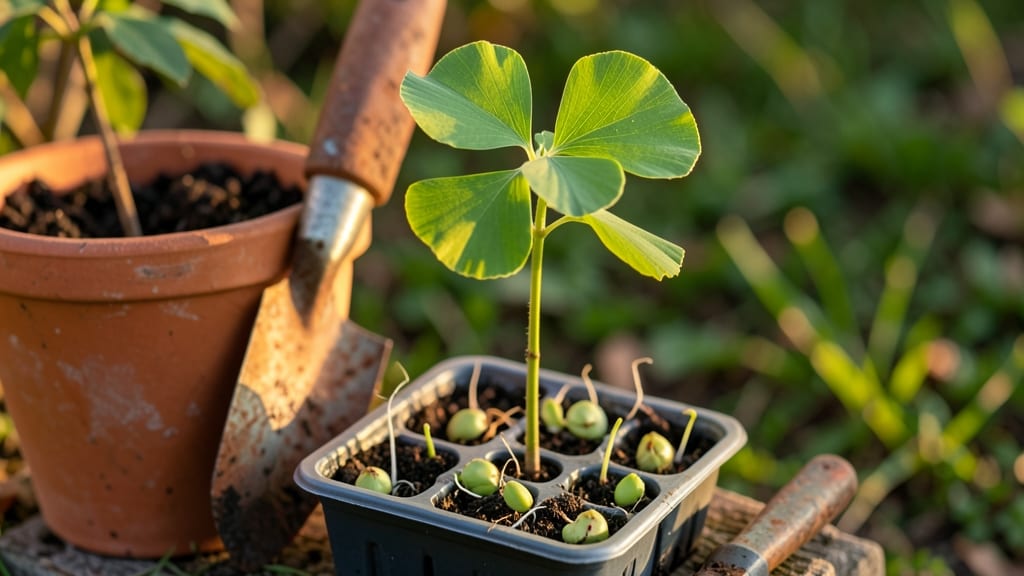
Planting ginkgo seeds starts with a little patience and a fridge—cold-stratifying them for three months is the secret to breaking dormancy. ✨ I learned the hard way that skipping this step means waiting years for germination, if ever.
The process mimics winter's natural cycle, tricking seeds into thinking spring has arrived when they're still nestled in damp sand.
You'll need fresh seeds (green and soft when ripe), a plastic bag, damp potting mix or sand, and a freezer or cold basement. The setup takes 10 minutes but pays off when those first pale roots appear after 8-12 weeks.
Ginkgos are slow growers, so every step counts—especially the soil mix, which should be well-draining but moisture-retentive.
Once sprouted, you'll watch tiny leaves unfurl that look nothing like the iconic fan-shaped adult foliage. These seedlings need bright light but no direct sun, and their roots should stay consistently moist without being soggy.
The real magic happens when you transplant them outdoors after the last frost—those first summer leaves will be glossy and vibrant, a sign you've done everything right.
Here's where it gets interesting: ginkgos thrive in containers for years before needing permanent planting, making them perfect for small spaces or urban gardens. Just avoid overwatering—they're surprisingly drought-tolerant once established. Let's get those seeds sprouting!
📚 In This Guide
- What you need
- Instructions
- Tips and common mistakes
- Wrapping up and next steps
What you need
- ● Ginkgo seeds – 3–5 fresh, plump seeds (harvested from ripe ginkgo fruits and cleaned of their fleshy outer layer). Pro tip: 💡 Use seeds from a female tree (male trees don’t produce seeds).
- ● Cold-stratification medium – A mix of: 50% peat moss or coco coir (for moisture retention)
- ● 50% perlite or sand (for drainage)
- ○ Small pots or containers – 4–6 oz (120–180 mL) size, with drainage holes. Optional: Use seed-starting trays for organized planting.
- ● Plastic bag or airtight container – For creating a humid environment during stratification.
- ● Refrigerator or cold stratification setup – Must maintain 35–40°F (2–4°C) for 3 months.
- ● Spray bottle – For gentle moisture control.
- ○ pH testing kit (optional) – Ideal soil pH: 6.0–7.0 (ginkgos prefer slightly acidic to neutral soil).
- ● Grow lights – If sprouting indoors before transplanting (12–14 hours of light/day).
- ● Heating mat – Speeds up germination after cold stratification (keep at 70–75°F / 21–24°C).
- ● Fertilizer – A balanced, water-soluble fertilizer (5-5-5 or 10-10-10) diluted to half-strength once sprouts emerge.
- ● Humidity dome or clear lid – Retains moisture while seeds germinate.
- ● Label markers – To track planting dates and varieties (if applicable).
Step-by-step instructions for planting ginkgo seeds
Here's the precise method I've used to break dormancy and coax ginkgo seeds into sprouting within 3 months.
🌱 Step 1: Harvest and Prepare the Seeds
Collect fresh ginkgo seeds in late fall when they've turned golden brown and opened naturally. Remove the fleshy outer layer immediately—it contains butyric acid, which inhibits germination. Rinse the seeds thoroughly under lukewarm water to remove all residue, then pat dry with a paper towel. Store them in a paper bag (not plastic) in a cool, dark place until stratification.
Ginkgo seeds require stratification to mimic winter conditions. If you're starting now, no need to rush—seeds can remain dormant for months before planting. The key is patience; forcing the process rarely works. I've found that seeds stratified for 3-4 months at 35-45°F yield the best results.
❄️ Step 2: Cold-Stratify the Seeds
Fill a shallow container with moistened peat moss or a coco coir mix (avoid garden soil—it compacts and suffocates seeds). Plant the seeds 1 inch deep, spacing them 2 inches apart in the container. Cover lightly with additional mix and mist gently until the surface feels damp but not soggy.
Place the container in a refrigerator (not the freezer) where temperatures stay between 35-45°F. Check monthly to ensure the mix remains evenly moist—never waterlogged. You'll see no visible growth during this phase, but the seeds are actively preparing to break dormancy. This 3-month cold period is non-negotiable for ginkgo seeds; skipping it results in stubbornly dormant seeds.
☀️ Step 3: Transition to Warmth and Light
After 12 weeks of stratification, remove the container and place it in a bright, indirect light location indoors. Keep the mix consistently moist but avoid overwatering—ginkgo seedlings are prone to root rot if soggy. You'll notice tiny green sprouts within 1-2 weeks of moving to warmth. These first shoots are delicate, so avoid disturbing them.
Once the seedlings reach 2-3 inches tall, transplant them into individual 4-inch pots filled with a well-draining potting mix. Ginkgos hate wet feet, so mix in 20% perlite or coarse sand to improve drainage. Water gently at the base, ensuring the soil stays evenly moist but never waterlogged. Place the pots under grow lights for 14-16 hours daily to prevent leggy growth.
🌿 Step 4: Harden Off and Plant Outdoors
After 6-8 weeks of indoor growth, the seedlings will be ready for outdoor planting. Begin hardening off by placing them in a sheltered, shaded spot for 1-2 hours daily, gradually increasing exposure over 10-14 days. Watch for yellowing leaves—this is a sign of transplant shock, not failure. Ginkgos are tough once established, but young seedlings need gentle acclimation.
Plant outdoors in early spring after the last frost, selecting a location with full sun and well-draining soil. Dig a hole twice as wide as the root ball but no deeper. Space seedlings 10-15 feet apart—ginkgos grow slowly but develop into large, long-lived trees. Water deeply after planting to settle the soil, then maintain 1 inch of water weekly during the first growing season. Mulch with 2 inches of organic matter to retain moisture and suppress weeds.
Tips & tricks for perfect ginkgo seed sprouting
Patience and precision are your best tools when working with ginkgo seeds—these tricks will help you navigate the delicate balance between dormancy and growth.
Stratification Timing: The 3-4 month cold stratification period is non-negotiable, but you can start earlier than fall if needed. Use a refrigerator's crisper drawer to maintain that 35-45°F range consistently. I've had success starting stratification in early winter by placing seeds in the fridge immediately after harvest—just track your timeline carefully to ensure the full 12 weeks before moving to warmth.
Moisture Management: During the 3-month cold period, the mix should feel like a wrung-out sponge—damp but not dripping. Overwatering causes root rot, while dryness halts germination. I use a spray bottle to mist the surface monthly, then check by squeezing a handful of mix—if water beads form, it's too wet. For extra insurance, place a small dish of water with pebbles underneath the container to maintain humidity without soggy conditions.
Light Transition: When moving seeds from cold to warmth after 12 weeks, place them in bright, indirect light for the first week before introducing direct sunlight. I've seen seedlings develop leggy growth when exposed too quickly—gradual acclimation prevents this. Position containers near an east-facing window initially, then rotate to avoid one-sided growth. Those 14-16 hours of grow light daily become critical once seedlings reach 2-3 inches to maintain compact, sturdy stems.
Equipment Alternatives: Don't have peat moss? A mix of 50% coco coir and 50% perlite works beautifully for drainage. For containers, any shallow tray with drainage holes will suffice—I've used everything from seedling trays to repurposed food containers. Just ensure the mix doesn't compact around the seeds during the 1-inch deep planting, which can smother germination.
Pro Tips for Planting Ginkgo Seeds
- Patience and precision are your best tools when working with ginkgo seeds—these tricks will help you navigate the del...
- Stratification Timing: The 3-4 month cold stratification period is non-negotiable, but you can start earlier than fal...
- Moisture Management: During the 3-month cold period, the mix should feel like a wrung-out sponge—damp but not drippin...
Frequently asked questions
Got questions about planting ginkgo seeds? You’re not alone! Here are some of the most common queries—plus straightforward answers to help you grow these ancient trees with confidence.
How long does it take for ginkgo seeds to sprout after planting?
With cold stratification (the method covered in this guide), germination typically takes 3–6 months. Some seeds sprout faster (as early as 3 weeks), while others may take up to a year. Patience is key—keep the soil consistently moist and warm (around 70°F) to encourage growth.
Can I skip cold stratification and plant ginkgo seeds directly?
Not recommended! Ginkgo seeds require cold stratification to break dormancy—skipping this step usually results in no germination. If you’re in a hurry, you can mimic winter conditions by refrigerating seeds for 60–90 days before planting. Otherwise, nature’s timing is your best bet!
What’s the best soil mix for ginkgo seed germination?
Use a light, well-draining mix like:
- 50% peat moss or coco coir (for moisture retention)
- 30% perlite or sand (for aeration)
- 20% compost or worm castings (for nutrients)
My ginkgo seeds are moldy—what should I do?
Mold is a sign of excess moisture. If you spot fuzzy growth:
Prevent future issues by using sterilized containers and tools.
How big should a ginkgo seedling be before transplanting outdoors?
Wait until your seedling has 3–5 true leaves and is at least 6–12 inches tall. Transplant on a cloudy day or in late spring/early summer to reduce shock. Harden off seedlings by gradually exposing them to outdoor conditions for 1–2 weeks beforehand.
Wrapping up and next steps
Planting ginkgo seeds is a rewarding journey that combines patience with the joy of nurturing life! With the right mix of cold stratification, proper soil, and a little care, you’ll see those first green shoots in just three months—a testament to your green thumb. 🌱
Now that you’re armed with the knowledge, why not take the next step? Grab those seeds, set up your setup, and watch your ginkgo tree grow into a stunning, ancient-looking beauty. Happy planting! 🌿✨