Pruning
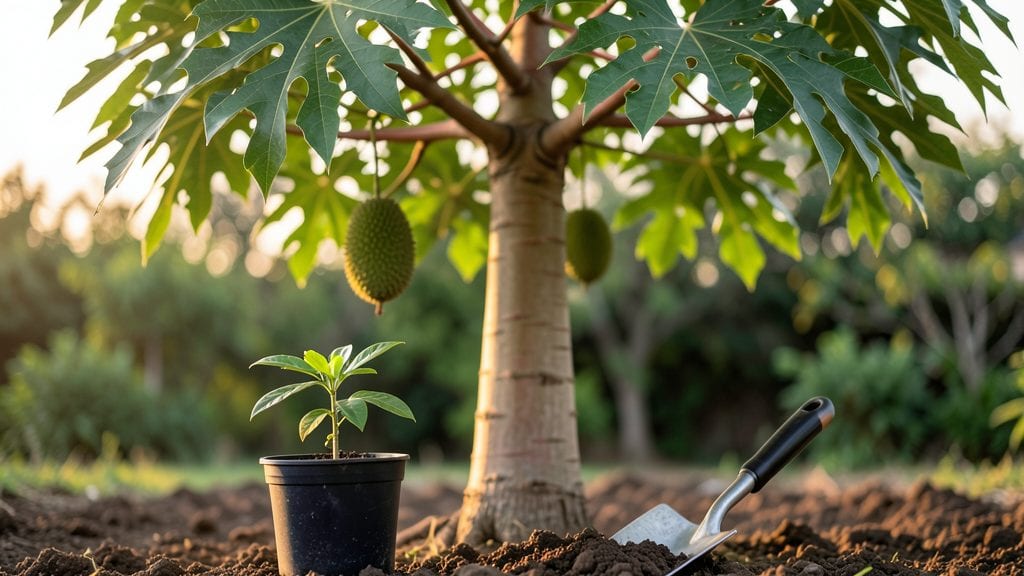
Planting a jackfruit tree from seed gives you a chance to grow a tropical giant right in your yard—if you're in the right climate. 🌿 I've watched these trees go from a tiny seedling to a 20-foot-tall powerhouse in just a few years, and the process starts with understanding their needs before you even dig the first hole.
The key to success is mimicking their natural habitat: warm, humid conditions and soil that drains well but holds moisture. Most people struggle with frost sensitivity, so if you're outside the tropics, you'll need to grow it in a container or protected spot.
Start with a well-draining mix of potting soil and compost, and keep the seedling consistently moist but never soggy during those first six months.
By the time your seedling hits 12 inches, you'll be pruning to encourage a strong structure and watching for the first signs of those massive, fragrant leaves.
The real payoff comes when you see the first flower clusters—though it can take 5-7 years for a seed-grown tree to bear fruit, the journey is worth it for any tropical enthusiast.
Even in ideal conditions, jackfruit trees grow fast, so spacing is critical—give them at least 20 feet between plants if you're growing multiple trees. The biggest mistake I see is overwatering once they're established, which leads to root rot.
With the right care, you'll have a living landmark that feeds birds, attracts pollinators, and might just produce fruit in your lifetime.
📚 In This Guide
- What you need
- Instructions
- Tips and common mistakes
- Wrapping up and next steps
What you need
- ● Jackfruit seeds – 1–3 fresh, plump seeds (harvested from ripe fruit; avoid dried or shriveled ones).
- ○ Well-draining potting mix – 2–3 gallons of organic, sandy loam blend (or coconut coir for pots). Optional: Add perlite or vermiculite for aeration.
- ● Planting container – 1–2 small pots (6–8 inches deep) for germination, or a nursery bed if planting directly outdoors.
- ● Garden soil – 5+ gallons of nutrient-rich, slightly acidic soil (pH 6.0–7.0) for transplanting.
- ● Fertilizer – Slow-release organic fertilizer (e.g., 10-10-10 NPK) or composted manure.
- ● Pruning shears – For trimming seed pods or young shoots.
- ● Trowel or small shovel – For digging planting holes (4–6 inches deep).
- ● Watering can or hose – With a gentle spray nozzle for seedlings.
- ○ Mulch (optional) – Straw or wood chips to retain moisture and suppress weeds.
- ○ Sunlight meter (optional) – To ensure your spot gets 6+ hours of direct sun daily.
- ● Warm climate – Jackfruit thrives in USDA Zones 10–11 (or indoors in cooler areas).
- ● Patience – Germination takes 2–4 weeks; full fruit production may take 3–5 years!
- ● Space – Mature trees grow 60–100 feet tall; plant away from structures or use dwarf varieties.
Step-by-step instructions for planting a jackfruit tree from seed
Here’s how to grow a tropical jackfruit from seed in just six months—no fancy tools needed.
🌱 Step 1: Extract and Prepare the Seed
Start with a fresh, ripe jackfruit. Cut open the fruit and remove the large, hard seeds—each one is a potential tree. Rinse the seeds under cool water to remove any sticky pulp, then let them dry for 24 hours on a paper towel. This prevents rot when you plant.
Once dry, rub the seeds gently with sandpaper to scratch the tough outer shell lightly. This helps water penetrate and speeds up germination. I like to soak them in warm water for 12 hours afterward—this softens the seed coat even more and gives you a head start.
🪴 Step 2: Plant the Seed in a Moist Growing Medium
Fill a small pot (6-8 inches wide) with moistened potting mix—jackfruit seeds need airflow but also stay damp. Press the seed ½ inch deep into the soil, leaving the pointed end facing up. If planting multiple seeds, space them 3 inches apart to avoid overcrowding later.
Cover the pot with a clear plastic bag or humidity dome to trap warmth and moisture. Place it in a warm spot (75-85°F)—a sunny windowsill or near a heat source works. You’ll see sprouts in 1-3 weeks, but don’t rush germination by overwatering. Keep the soil evenly moist but never soggy.
☀️ Step 3: Provide Light and Gradual Transplanting
Once the seedling reaches 4-6 inches tall, remove the plastic cover and move it to bright, indirect light. Jackfruit trees love sunlight but need time to adjust—too much direct sun too soon can scorch tender leaves. I start with 4-6 hours of morning sun and slowly increase exposure over 2 weeks.
When the seedling has 4-5 true leaves, transplant it into a larger pot (12 inches wide) with fresh potting mix. Handle the roots gently—jackfruit seedlings are delicate. Water deeply after planting to settle the soil around the roots, then let the top inch dry out before watering again.
💧 Step 4: Maintain Growth and Prepare for Outdoor Planting
By 6 months, your seedling should be 2-3 feet tall with a sturdy stem. At this stage, it’s ready for its first outdoor test. Choose a sheltered spot with partial shade and warm soil (65°F+). Gradually introduce it to outdoor conditions over 10 days, moving it outside for longer periods each day.
After hardening off, plant the seedling in a permanent spot with well-draining soil and full sun (6+ hours daily). Water deeply once a week, letting the soil dry slightly between waterings. Mulch around the base to retain moisture and protect roots from heat—jackfruit trees hate soggy feet but love consistent warmth.
⏰ Step 5: Monitor and Support Long-Term Growth
In the first year, focus on root development. If your tree grows taller than 6 feet, consider staking it to prevent wind damage. Prune only to remove dead or crowded branches—jackfruit trees grow fast, and aggressive pruning can stress the plant.
Fertilize lightly in spring and summer with a balanced, slow-release fertilizer. Over-fertilizing can burn roots, so follow the package instructions and halve the dose if your tree looks healthy. With patience, your seedling will grow into a fruit-bearing tree in 5-7 years—worth every step!
Tips & tricks for perfect jackfruit tree growth
A few key tricks will help you avoid common pitfalls and give your tropical jackfruit tree the best possible start.
Seed Preparation Secret: Don't skip the sandpaper step in Step 1! Scratching the seed coat just enough to break the surface is crucial—it lets water penetrate without damaging the seed. I use fine-grit sandpaper (around 220 grit) and rub gently in circular motions. This step can cut your germination time in half compared to just soaking.
Temperature Matters: The warm spot you choose for Step 2 should consistently stay between 75-85°F during germination. If your home runs cooler, consider using a seedling heat mat set to 80°F. I've seen germination fail completely in rooms below 70°F. A sunny windowsill works great, but avoid drafty spots near air conditioners or exterior doors.
Light Transition Strategy: When moving your seedling to sunlight in Step 3, I recommend starting with just 2 hours of morning sun on day one, then adding 1-2 hours each subsequent day. This gradual approach prevents sunburn on tender leaves. Watch for pale yellow leaves—this is your first sign of too much direct sun too soon.
Hardening Off Hack: For Step 4's outdoor transition, I create a "hardening off station" on my patio. Place your seedling in a spot that gets morning sun but afternoon shade, and gradually increase its time outside. On day 3 of hardening off, I'll leave it out until 4 PM if the weather is mild—this mimics natural conditions and reduces shock when you eventually plant outdoors.
Pro Tips for Planting Jackfruit Tree
- A few key tricks will help you avoid common pitfalls and give your tropical jackfruit tree the best possible start.
- Seed Preparation Secret: Don't skip the sandpaper step in Step 1!
- Temperature Matters: The warm spot you choose for Step 2 should consistently stay between 75-85°F during germination.
Frequently asked questions
Got questions about growing your own jackfruit tree?
Here are some of the most common ones—plus quick, actionable answers to help you succeed!
How long does it take for a jackfruit tree to bear fruit from seed?
A jackfruit tree grown from seed can take 5–7 years to produce fruit—patience is key! For faster results, consider grafting a mature variety onto your seedling. If you’re in a warm climate (like Florida or Hawaii), expect slightly earlier fruiting, but don’t rush it—healthy growth matters more than speed!
What’s the best time of year to plant jackfruit seeds?
Jackfruit thrives in warmth, so plant seeds in spring or early summer (after the last frost) for optimal germination. If you’re in a tropical zone, you can plant year-round, but avoid cold snaps. Pro tip: Soak seeds for 24–48 hours before planting to speed up sprouting!
Can jackfruit trees survive in cold climates?
Jackfruit is a tropical tree and struggles below 30°F (-1°C). If you live in a colder zone, grow it in containers and move it indoors during winter or plant it near a heat-retentive wall. For permanent outdoor growth, stick to USDA zones 10–12 or similar tropical regions.
Are jackfruit seeds edible? Can I eat the fruit from my homegrown tree?
Yes! Ripe jackfruit flesh is edible (sweet and versatile) and the seeds are roasted like chestnuts. However, unripe fruit is tough—wait until it’s yellow with brown spots and smells fragrant. Always confirm the tree’s variety (some are grafted for better flavor) and avoid wild varieties, which may be bitter or unsafe.
What pests or diseases should I watch for in young jackfruit trees?
Common issues include:
- Scale insects (sticky residue on leaves) – Treat with neem oil.
- Root rot (from overwatering) – Ensure well-draining soil.
- Fungal spots (dark patches) – Prune affected leaves and improve airflow.
Prevent problems by watering at the base, avoiding overhead sprinklers, and monitoring for early signs. Healthy soil = happy tree!
Wrapping up and next steps
Planting a jackfruit tree is an exciting journey into tropical gardening—one that rewards patience with delicious, exotic fruit and lush greenery! 🌱 From selecting the right seeds to nurturing your sapling, every step brings you closer to harvesting nature’s giant treat.
Now that you’re equipped with the know-how, take the first step today—whether it’s prepping your soil, choosing a sunny spot, or even sharing your newfound passion with fellow plant enthusiasts.
🌟 Next up: Track your tree’s growth, experiment with pruning techniques, and soon, you’ll be enjoying fresh jackfruit straight from your backyard! 🍈