Pruning
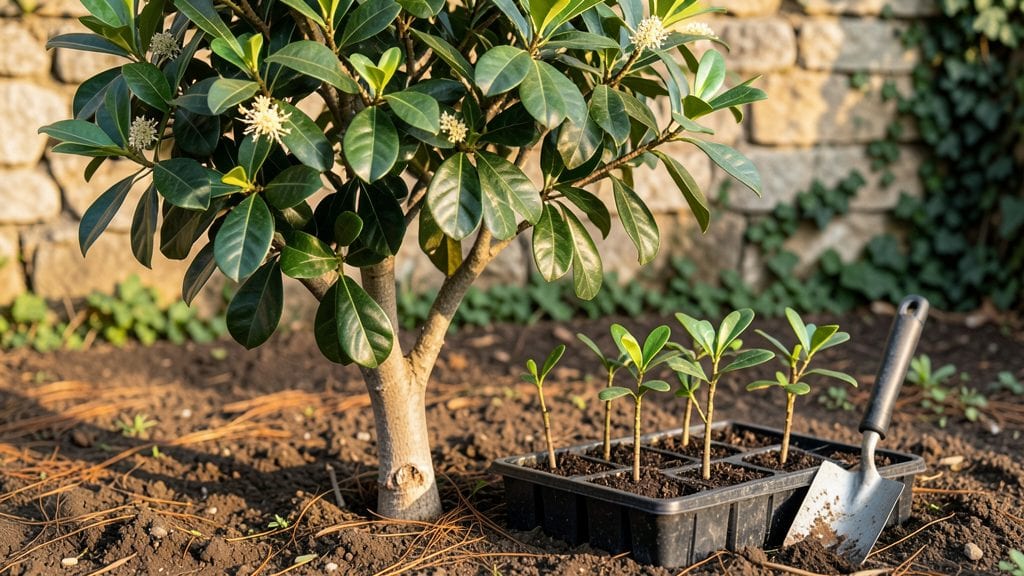
Planting a lychee tree means you're about to grow one of the most exotic fruits right in your own yard—if you live in the right zone. 🌿 I learned the hard way that these tropical trees need warmth year-round, but with the right preparation, you can grow one successfully in zones 10-12, or even as a container plant in cooler climates.
The key starts with soil: lychees hate soggy roots, so well-draining, slightly acidic soil is non-negotiable. Mix in compost for nutrients, and if you're in a container, use a fast-draining potting mix.
Location matters too—pick a spot with full sun and protection from harsh winds, since these trees are delicate when young.
Once planted, keep the soil consistently moist but never waterlogged, especially during the first year. You'll see new growth within a few months, and with patience, you might even get your first flowers in 3-5 years. The real reward? Sweet, fragrant lychees that taste like nothing you've ever had before.
For cooler climates, overwinter the tree indoors near a bright window, and bring it back outside when temperatures stay above 50°F. With these adjustments, you can enjoy lychee fruit even if you're not in a tropical paradise.
📚 In This Guide
- What you need
- Instructions
- Tips and common mistakes
- Wrapping up and next steps
What you need
- ● Lychee tree sapling or seeds: Choose a Litchi chinensis variety (e.g., 'Brewster,' 'Mauritius,' or 'Kwai Mi'). Saplings (1-3 years old) are ideal for faster fruit production. Quantity: 1 per planting site.
- ● Well-draining soil: Mix 50% sandy loam + 30% compost + 20% perlite/vermiculite for optimal drainage. pH: 5.5–6.5 (slightly acidic).
- ● Organic fertilizer: 10-10-10 NPK or a citrus-specific blend (e.g., 6-6-6 with micronutrients). Quantity: 1 lb per tree (sprinkle around root zone).
- ● Mulch: Wood chips or pine bark (3–4 inches thick). Avoid fresh wood chips, which can rob nitrogen.
- ● Drip irrigation system or soaker hose: Lychees hate soggy roots. Aim for 1–1.5 inches of water weekly (adjust for rain).
- ● Shovel or trowel: For digging planting holes (12–18 inches wide/deep for saplings).
- ● Pruning shears: Bypass pruners (sharp, clean) for trimming dead branches or shaping.
- ● Garden gloves: Protect your hands from thorns (lychee trees have plenty!).
- ● pH testing kit: Ensure soil acidity is in the sweet spot (5.5–6.5).
- ○ Staking kit (optional): Use 2–3 bamboo stakes + soft ties if planting in windy areas (young trees need support!).
- ● Sunlight: Full sun (6+ hours daily). Partial shade in Zones 8–9 (afternoon shade helps).
- ● Climate: No frost! Lychees cannot tolerate temps below 30°F (-1°C). Use a greenhouse or container if in colder zones.
- ● Pollination: Lychees are self-pollinating, but planting 2+ trees improves fruit set.
- ● Patience: Saplings take 3–5 years to bear fruit; container-grown trees may fruit sooner.
Step-by-Step instructions for planting a lychee tree
Here's how I've successfully planted lychee trees in different climates—adjust for your zone.
🌱 Step 1: Choose the Right Location and Prepare the Soil
Lychee trees thrive in USDA Zones 10-11 but can survive cooler zones with protection. Pick a spot with full sun exposure (6+ hours daily) and shelter from strong winds. The soil must drain exceptionally well—lychees hate soggy roots. If your native soil is heavy clay, mix in 3-4 inches of coarse sand or perlite to improve drainage.
Test your soil's pH—lychees prefer 5.0-6.5. If yours is too alkaline, work in sulfur or peat moss to lower the pH gradually. Dig a hole twice as wide as the root ball but only as deep—planting too deep suffocates the roots. Loosen the sides of the hole to encourage root spread.
🪴 Step 2: Plant the Tree at the Correct Depth and Stake for Support
Remove the lychee tree from its container and gently tease the roots outward if they're circling. Place it in the hole so the top of the root ball sits 1-2 inches above ground level—this prevents water from pooling around the stem. Backfill with native soil mixed with a balanced fertilizer (10-10-10) to encourage early root growth.
Tamp the soil lightly with your hands to remove air pockets but don't compact it. Install a 4-5 foot stake next to the tree and tie it loosely with soft fabric strips. Lychee trees grow tall quickly, and staking prevents them from toppling in windy conditions. Water deeply right after planting to settle the soil around the roots.
☀️ Step 3: Water and Mulch to Protect the Roots
Water the tree deeply 2-3 times per week for the first month, ensuring moisture reaches 12-18 inches down. Lychees are drought-tolerant once established, but young trees need consistent moisture. Use a 3-inch layer of organic mulch (wood chips or straw) around the base, keeping it 6 inches away from the trunk to prevent rot.
Mulch helps retain moisture and regulate soil temperature, which is critical in cooler zones. Avoid synthetic mulches—they don't break down and can suffocate roots. After watering, check the soil 2 inches down—it should feel damp but not soggy. Adjust your watering schedule based on rainfall; less water is needed if it rains frequently.
✂️ Step 4: Prune and Fertilize for Strong Growth
Prune lightly in the first year to shape the tree and remove any dead or crossing branches. Focus on opening the center to improve airflow, which reduces disease risk. Use sterilized pruning shears and make cuts just above a leaf node. Avoid heavy pruning—lychees grow best when left to develop naturally.
Fertilize every 3 months with a low-nitrogen, high-potassium fertilizer (5-10-10) to encourage fruiting. In cooler zones, apply a winter mulch (6 inches deep) after the first frost to protect roots. Monitor for pests like aphids or scale—lychees are susceptible, so treat infestations early with horticultural oil or neem oil.
⏰ Step 5: Protect in Cooler Zones and Monitor for Fruit
In Zones 9 or cooler, wrap the trunk with burlap or frost cloth in winter and cover the tree with a clear plastic tent during freezes. Lychees can tolerate brief dips to 25°F, but prolonged cold kills the tree. In warmer zones, watch for fruit development—lychees take 3-5 years to bear fruit, so be patient.
Once flowers appear, hand-pollinate them with a small brush if bees aren't active. Fruit will form in clusters, and you'll know they're ripe when the skin turns pink and the fruit smells sweet. Harvest carefully—lychees bruise easily. With proper care, your tree can produce fruit for decades, rewarding your patience with tropical sweetness.
Tips & tricks for planting a lychee tree
Between us, planting a lychee tree is easier than you think—once you know these game-changing tricks. I've learned them the hard way after watching trees struggle in less-than-ideal conditions.
Soil Preparation Secret: In Step 1, don't just add sand or perlite—mix it thoroughly with the native soil. I've seen many gardeners just dump it in the bottom of the hole, which creates a drainage layer but doesn't improve the overall soil structure. For heavy clay soils, I recommend using a shovel to mix the amendments into the top 12 inches of soil in the planting area, not just where the roots will go. This creates a better rooting environment from day one.
Planting Depth Matters: When placing your tree in Step 2, make sure the top of the root ball sits exactly 1-2 inches above ground level. I learned this the hard way when my first tree struggled—turns out the extra inch of soil I added was suffocating the stem. Use a level to check, and don't be afraid to adjust by removing soil if needed. The key is preventing water from pooling around the stem while keeping the root flare visible.
Watering Wisdom: In Step 3, those first 2-3 weeks are critical for root establishment. I've found that using a soaker hose for the first month helps maintain consistent moisture without creating puddles. Check the soil 2 inches down—it should feel like a damp sponge, not a soggy washcloth. In hot climates, you might need to water daily during the first month, while cooler zones can get by with the 2-3 times per week schedule. Adjust based on your specific microclimate.
Winter Protection Hack: For cooler zones in Step 5, I've had great success with a double-layer protection system. First, wrap the trunk with burlap or frost cloth, then cover the entire tree with a clear plastic tent secured with bricks or stakes. This creates a mini greenhouse effect that can raise temperatures by 5-10°F during freezes. Just remember to remove the plastic during the day when temperatures rise above 40°F to prevent heat buildup that could damage the tree.
Pro Tips for Planting Lychee Tree
- Between us, planting a lychee tree is easier than you think—once you know these game-changing tricks. I've learned th...
- Soil Preparation Secret: In Step 1, don't just add sand or perlite—mix it thoroughly with the native soil. I've seen ...
- Planting Depth Matters: When placing your tree in Step 2, make sure the top of the root ball sits exactly 1-2 inches ...
Frequently asked questions
Got questions about planting and growing lychee trees? You’re not alone! Here are some of the most common concerns—plus straightforward answers to help you get started with confidence.
What’s the best time of year to plant a lychee tree?
Plant lychee trees in early spring (after the last frost) or late summer (before fall rains). Young trees need time to establish roots before extreme heat or cold. If you’re in a tropical zone, avoid planting during the monsoon season to prevent waterlogging.
Can I grow a lychee tree in Zone 9 or cooler climates?
Lychees thrive in USDA Zones 10-11, but with care, they can survive in Zone 9 or even Zone 8 with winter protection. Use frost blankets, move potted trees indoors, or plant near a south-facing wall. Dwarf varieties may also adapt better to cooler temps.
How long does it take for a lychee tree to bear fruit?
Patience is key! Lychee trees typically take 3-5 years to produce fruit, depending on variety, care, and climate. Young trees focus on root and branch growth first. Prune lightly to encourage a strong structure, and ensure full sun (6+ hours daily) for faster maturation.
What pests or diseases should I watch for?
Common issues include lychee borers (larvae that tunnel into trunks), scale insects, and anthracnose fungus. Prevent borers with neem oil sprays and keep the area around the tree clean. For fungal diseases, improve airflow and avoid overhead watering.
Are there low-maintenance alternatives to lychee trees?
If lychees seem too high-maintenance, try longan (a close relative) or loquat trees—both are drought-tolerant and fruit-bearing. For easier tropical fruit, consider papaya or guava, which grow faster and handle slight frost better than lychees.
Wrapping up and next steps
Growing a lychee tree is a rewarding journey that blends tropical beauty with delicious fruit—perfect for gardeners in USDA Zones 10-12 (or with greenhouse support in cooler climates). With the right soil, sunlight, and patience, you’ll nurture a tree that thrives for decades, offering sweet, fragrant rewards. 🌱✨
Ready to take the next step? Start by selecting your sapling (or seeds, if experimenting!) and mark your calendar for planting season. Whether you’re a beginner or a seasoned gardener, every lychee tree begins with a single root—so get your hands dirty and watch your tropical oasis grow!