
Trees
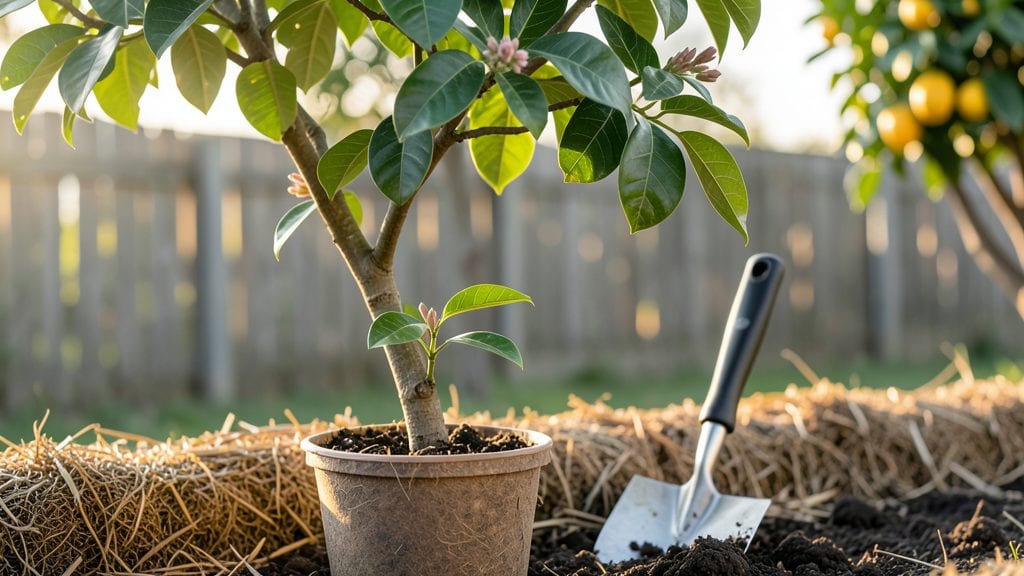
Planting mango trees in your backyard is the ultimate tropical dream—imagine harvesting your own sweet, juicy fruit from a tree you nurtured yourself. 🌱 I’ve grown mangoes in both subtropical and tropical climates, and the key to success starts with choosing the right variety for your zone and giving it the warm, well-draining soil it craves.
The first step is picking a sunny spot with at least 6 hours of direct sunlight daily—mangoes are sun-worshippers. If you’re in a cooler climate, opt for dwarf varieties like ‘Cogshall’ or ‘Julie,’ which tolerate brief chills better than full-size tropical types.
Amend heavy soil with compost and sand to mimic their native sandy loam, and avoid waterlogged areas where roots rot.
Once planted, keep the soil consistently moist but never soggy for the first 6 months, then ease back to deep watering every 2-3 weeks once established. Prune lightly to shape the tree and remove dead branches, but avoid heavy cuts that stress young plants.
Within 3-5 years, you’ll see blossoms—and with patience, your first homegrown mangoes.
For cooler climates, protect young trees with frost cloth in winter, and consider container growing if your zone dips below 20°F. The biggest mistake beginners make? Overwatering or planting too deep—stick to the graft union level just above soil.
With the right care, your mango tree will reward you with shade and fruit for decades.
📚 In This Guide
- What you need
- Instructions
- Tips and common mistakes
- Wrapping up and next steps
What you need
- ● Mango Tree Saplings: 1–3 healthy, disease-free saplings (choose varieties suited to your climate, like Alphonso, Kent, or Keitt).
- ● Shovel or Trench Digger: 1 medium-sized (for digging holes 18–24" wide and deep).
- ● Well-Draining Soil Mix: 2–3 cubic yards of a blend (e.g., 60% topsoil, 30% compost, 10% perlite/sand for sandy soils).
- ● Organic Fertilizer: 5–10 lbs of balanced fertilizer (e.g., 6-6-6 or 8-3-9) + 1 lb of micronutrients (zinc, magnesium, iron).
- ● Mulch: 2–3 bags of organic mulch (straw, wood chips, or pine bark).
- ○ Drip Irrigation System or Hose: 1–2 soaker hoses or a basic drip kit (optional but recommended for young trees).
- ● Pruning Shears: 1 pair (sterilized with rubbing alcohol).
- ● Tree Stake & Ties: 1–2 stakes (2–3 ft tall) + soft fabric ties (to support young trees).
- ● Warm Climate: Mangoes thrive in USDA Zones 10–11 (or in containers in cooler zones with winter protection).
- ● Sunlight: Full sun (6+ hours daily). Avoid shaded or windy spots.
- ● Drainage: Well-draining soil (mangoes hate soggy roots!). Test your soil’s pH (ideal: 5.5–7.0).
- ● Space: 20–30 ft apart for multiple trees (or 10 ft in containers).
- ● Soil pH test kit (to adjust acidity if needed).
- ● Slow-release fertilizer tablets (for container-grown trees).
- ● Tree guard (to protect from pests like fruit flies).
- ● Lime or sulfur (if soil pH is off).
- ● Grafting tools (if propagating from cuttings).
Step-by-step instructions for planting mango trees
Here's the foolproof method I've used to establish thriving mango trees in warm climates.
🌱 Step 1: Select and Prepare the Planting Site
Mango trees thrive in full sun with 6+ hours of direct light daily. Choose a sheltered spot where they won't be battered by strong winds, as young trees are particularly vulnerable. The soil should be well-draining—mangoes despise soggy roots. If your native soil is heavy clay, amend it with 2-3 inches of compost mixed into the top 12 inches of soil.
Dig a hole twice as wide as the root ball but only as deep—planting too deep suffocates the roots. Loosen the sides of the hole with a shovel to encourage root spread. Here's the thing—mango trees grow best when planted slightly higher than their container level. This prevents water from pooling around the trunk, which can rot the base.
🪴 Step 2: Plant the Tree Properly
Remove the tree from its container and gently tease the roots apart if they're circling. Position the tree in the hole so the top of the root ball sits 1 inch above ground level. Fill the hole with native soil, tamping lightly as you go to eliminate air pockets. Water deeply to settle the soil around the roots.
Don't bury the graft union (the bump where the scion was attached to the rootstock) if your tree has one—this ensures the stronger root system remains above ground. If you're planting bare-root, spread the roots evenly in all directions before backfilling. Mulch the base with 2-3 inches of organic mulch, keeping it 6 inches away from the trunk to prevent rot.
☀️ Step 3: Water and Protect Newly Planted Trees
Water the tree immediately after planting, then again every 2-3 days until new growth appears. Mango trees need consistent moisture during their first year, but avoid waterlogging—the soil should feel damp 2-3 inches down but not soggy. You'll see new leaves emerge within 4-6 weeks if everything is right.
Install a tree stake only if your climate has strong winds. Secure it loosely with soft ties so the tree can sway slightly—this strengthens its trunk. Cover the trunk with a tree guard or wire mesh to protect it from animals chewing the bark. Real talk: Young mango trees are a buffet for deer and rabbits if left unprotected.
⏰ Step 4: Fertilize and Monitor Growth
Wait 8-12 weeks before fertilizing—newly planted trees need time to establish roots. Once established, apply a balanced 10-10-10 fertilizer in early spring and again after harvest. Mango trees are heavy feeders, so don't skimp. You'll know the fertilizer is working when you see dark green, glossy leaves and steady new growth.
Watch for signs of stress: yellowing leaves often mean overwatering or poor drainage, while brown leaf tips can signal underwatering. Prune only to remove dead or crossing branches—never prune for shape in the first year. This ensures the tree puts all its energy into root and canopy development.
Tips & tricks for perfect mango tree planting
Planting a mango tree successfully starts with understanding the little details that make all the difference between a thriving tropical fruit tree and one that struggles to take root.
Soil Preparation Secret: When amending your soil with the recommended 2-3 inches of compost into the top 12 inches, mix in a handful of perlite or coarse sand if your native soil is particularly dense. This creates even better drainage for those mango roots, which absolutely hate soggy conditions. I've seen trees planted in unamended clay soil fail within months—don't make that mistake.
Root Ball Positioning: The instructions mention planting with the root ball 1 inch above ground level, but here's what nobody tells you—this elevation prevents water from pooling against the trunk during those crucial first rains. If you're planting in a particularly rainy climate, consider creating a slight mound (about 2 inches high) when backfilling the hole to further prevent waterlogging.
Watering Wisdom: Those 2-3 day intervals between waterings are perfect for most warm climates, but your local conditions matter. Check soil moisture by sticking your finger 2-3 inches down—if it feels dry, water; if it's still damp, wait another day. Overwatering is the #1 killer of young mango trees, and you won't see the early signs until it's too late.
Fertilizer Timing: The 8-12 week wait before fertilizing gives roots time to establish, but here's the pro move: split that first application into two smaller doses—half at 8 weeks and half at 12 weeks. This gradual introduction prevents fertilizer burn while still giving your tree the nutrients it needs to grow strong. Think of it as baby food rather than a full meal.
Pro Tips for Planting Mango Trees
- Planting a mango tree successfully starts with understanding the little details that make all the difference between a thriving tropical fruit tree and one that struggles to take root.
- Soil Preparation Secret: When amending your soil with the recommended 2-3 inches of compost into the top 12 inches, mix in a handful of perlite or coarse sand if your native soil is particularly dense.
- If you're planting in a particularly rainy climate, consider creating a slight mound (about 2 inches high) when backfilling the hole to further prevent waterlogging.
Frequently asked questions
Got questions about growing your own mango tree? You’re not alone! Here are answers to the most common concerns—from timing to troubleshooting—so you can plant with confidence and enjoy sweet success.
When is the best time to plant mango trees?
Plant mango trees in late winter or early spring (after the last frost) for warm climates. In cooler zones, wait until spring when soil temps are above 60°F (15°C). Young trees are delicate—avoid planting in summer heat or winter freezes. If you’re in a tropical region, year-round planting is possible, but align with the rainy season for moisture.
Can I grow a mango tree in a pot or container?
Yes! Dwarf varieties (like ‘Cogshall’ or ‘Julie’) thrive in large containers (15+ gallons) with drainage holes. Use well-draining soil and repot every 2–3 years. Place pots in full sun and move indoors if temps drop below 50°F (10°C). Just know: container-grown trees may take longer to bear fruit than in-ground trees.
What pests or diseases should I watch for?
Mango trees commonly face aphids, fruit flies, and powdery mildew. Prevent pests with neem oil or insecticidal soap. Prune for airflow to reduce mildew. Yellowing leaves? Check for root rot (overwatering) or nutrient deficiencies (add compost or citrus-specific fertilizer). Act fast—healthy trees bounce back!
How long does it take for a mango tree to bear fruit?
Patience is key! Dwarf varieties may fruit in 3–5 years, while standard trees take 5–7 years (or longer in cooler climates). Boost success by:
- Planting two trees for cross-pollination (some varieties are self-fruitful).
- Fertilizing with citrus/mango-specific food in early spring.
- Avoiding heavy pruning until established.
What if my mango tree isn’t thriving? Troubleshooting tips
Check these fixes if your tree looks stressed:
Issue
Likely Cause
Solution
Yellow leaves
Overwatering or nutrient deficiency
Let soil dry slightly between waterings; add iron or magnesium.
No flowers/fruit
Insufficient sun, cold temps, or young age
Move to full sun (6+ hours/day); protect from frost.
Dropping leaves
Transplant shock or drought
Water deeply 2–3x/week until roots establish (6+ months).
Pro tip: Mango trees love humidity—mist leaves or use a pebble tray in dry climates!
Wrapping up and next steps
Planting mango trees in your backyard is a rewarding journey that combines patience, care, and a touch of tropical magic. 🌱 From selecting the right variety to nurturing your sapling with love and expertise, every step brings you closer to harvesting your own sweet, juicy mangoes.
The key is consistency—whether it’s ensuring proper drainage, protecting young trees from pests, or giving them the warmth they crave.
Now that you’re armed with knowledge, it’s time to roll up your sleeves and get growing! Start by marking your calendar for the best planting season in your climate, then gather your tools and take that first step toward a fruitful future.
Whether you’re a seasoned gardener or a beginner, your mango tree awaits—let’s make it thrive together!