
Orchid Care
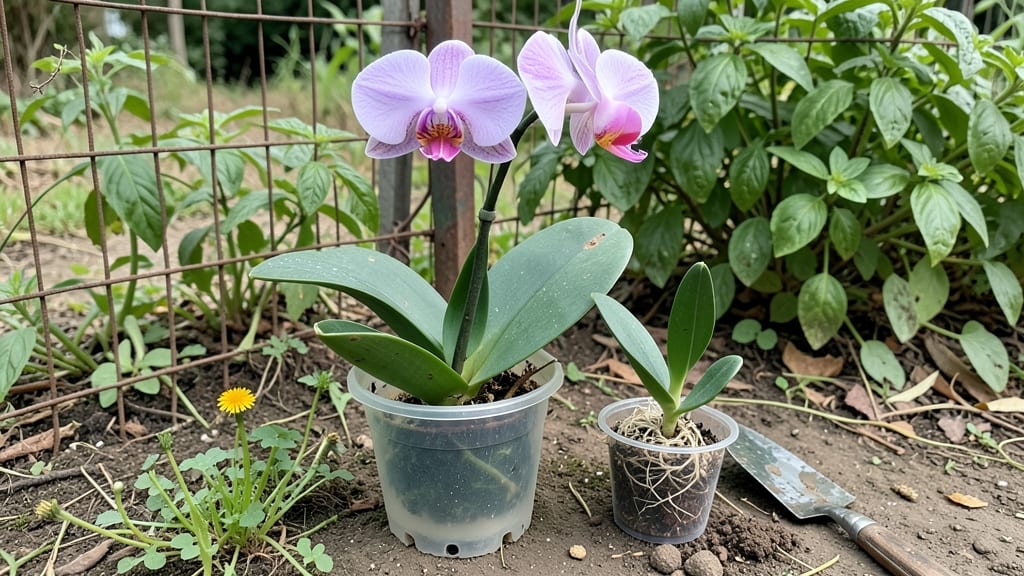
Planting orchids outdoors transforms your garden into a lush, exotic sanctuary—if you get the climate and light just right. 🌿 I’ve watched my orchids thrive in containers through four seasons, their blooms lasting months longer than store-bought cut flowers.
The key isn’t luck; it’s matching the right species to your zone and protecting them from the elements without smothering their delicate roots.
You’ll need shade cloth for afternoon sun, well-draining bark mix or a slotted container, and a spot that mimics their natural forest floor—moist but never soggy.
My Phalaenopsis orchids now bloom twice a year in zone 7, thanks to winterizing with bubble wrap and moving them under eaves during heavy rain. The payoff? Flowers that outlast spring bulbs and foliage that stays vibrant even in summer heat.
Seasonal shifts are the real test—orchids hate cold feet but also suffocate in waterlogged soil. I’ve learned to water at the base in the morning, avoid overhead spraying, and prune spent blooms to encourage reblooming.
With these tweaks, even beginner gardeners can keep orchids alive outdoors for years, not seasons. Here’s how to make it work in your yard.
For those in colder zones, container growing adds flexibility—just move pots to a garage or porch before frost. The right orchid species (like cold-hardy Dendrobiums) can even survive mild winters with proper mulching. Let’s get your orchids settled in for a show that lasts all year.
📚 In This Guide
- What you need
- Instructions
- Tips and common mistakes
- Wrapping up and next steps
What you need
- ● Orchid plants: Choose hardy outdoor varieties like Dendrobium, Cattleya, or Paphiopedilum (1-5 plants, depending on space).
- ● Well-draining potting mix: 1-2 bags of orchid-specific bark mix (e.g., fir or pine bark chunks, 1-3 inches in size).
- ● Containers: 2-5 pots with drainage holes (6-12 inches in diameter; terracotta or plastic with aeration).
- ● Support structures: 1-3 bamboo stakes or orchid mounts (for climbing varieties).
- ● Mulch or shade cloth: 1 roll of 30-50% shade cloth OR 2-3 inches of organic mulch (e.g., wood chips).
- ● Watering can or hose with a gentle nozzle: 1 (avoid overhead pressure!).
- ● Pruning shears: 1 pair (sterilized with rubbing alcohol).
- ● Fertilizer: Balanced orchid fertilizer (20-20-20 or 10-10-10, diluted to half-strength).
- ● Humidity tray or pebble tray: 1 (to boost moisture in dry climates).
- ● Thermometer/hygrometer: 1 (to monitor temperature/humidity, ideal: 60-80°F and 40-70% humidity).
- ● Epsom salt: 1 small bag (for magnesium boost; 1 tsp per gallon of water, monthly).
- ● Outdoor-friendly fungicide: 1 bottle (preventative measure for fungal risks).
Step-by-Step instructions for planting orchids outdoors
Here's how to plant orchids for lasting beauty—where they'll thrive without fuss.
🌱 Step 1: Choose the Right Location and Timing
Orchids love dappled shade—think morning sun with afternoon shade—where they get 4-6 hours of indirect light daily. Avoid harsh afternoon sun, which burns delicate leaves. I plant mine near trees or on the east side of the house, where they get gentle morning rays but stay cool later.
Timing matters too. Plant in early spring when soil begins to warm but before summer heat arrives. If you're in a warmer climate, fall planting works too—just avoid extreme heat or frost. Dig a hole twice as wide as the orchid's root ball but only as deep as the pot it came in. Loosen the roots gently if they're circling.
🪴 Step 2: Prepare the Soil and Plant
Orchids hate heavy, compacted soil. Mix 1 part potting mix with 2 parts perlite or orchid bark to create a chunky, airy blend. This mimics their natural epiphytic (tree-dwelling) habitat. Fill the hole halfway with this mix, then place the orchid in so the roots spread naturally—never force them down. The top of the root ball should sit just above soil level.
Backfill with more of your mix, pressing lightly to secure the plant. Water deeply right after planting to settle the soil and encourage root contact. You'll see tiny white roots emerging within a few weeks—that's your sign they're happy and settling in.
☀️ Step 3: Mulch and Protect for Long-Term Success
Spread 2-3 inches of bark mulch around the base, keeping it 2 inches away from the stem to prevent rot. This mulch helps retain moisture while allowing airflow—critical for orchids. I use pine bark because it breaks down slowly and adds organic matter over time. Avoid wood chips, which compact and suffocate roots.
Stake the orchid lightly if needed, especially if it's top-heavy. A small bamboo stake or a piece of wire works well. Water once a week after planting, then every 5-7 days once established, letting the top 1-2 inches of soil dry out between waterings. Overwatering is the #1 killer—orchids prefer to dry out slightly rather than sit in soggy soil.
⏰ Step 4: Maintain Through Seasons
In summer, reduce watering to every 10-14 days unless it rains. Orchids go dormant in heat, and too much water stresses them. Watch for yellowing leaves—that's your cue to cut back on water. In winter, water every 3-4 weeks unless you're in a frost-free zone. They need less moisture when growth slows.
Fertilize lightly once a month in spring and summer with a balanced, water-soluble orchid fertilizer (diluted to half strength). Skip fertilizer in fall and winter. You'll know you're doing it right when your orchids produce new growth in spring and bloom spikes in late winter or early spring.
Tips & tricks for planting orchids outdoors
These climate-smart tricks will help your orchids thrive year-round with minimal fuss.
Lighting Secret: In Step 1, if your orchid gets too much afternoon sun, you'll notice leaves turning yellow or crispy. I've found that a sheer white curtain hung in the window works wonders for filtering harsh light. For outdoor spots, plant near deciduous trees—their leaves provide natural shade during summer months, but let light through in winter when they're bare.
Soil Mix Hack: When preparing the soil in Step 2, don't just use any potting mix—look for one specifically labeled for orchids or epiphytes. I've had the best results mixing 1 part orchid mix with 2 parts coarse perlite. This creates the perfect airy environment orchids need to breathe. If you can't find orchid mix, a blend of 50% peat moss and 50% perlite works in a pinch.
Watering Wisdom: The watering schedule in Step 3 can be tricky—especially when it rains. I've learned to use my finger as a guide: stick it 1-2 inches deep into the soil. If it's dry, water; if it's damp, wait. In containers, I use the "soak and dry" method: soak thoroughly until water runs out the bottom, then let it dry completely before watering again. This mimics their natural rainfall patterns.
Seasonal Adjustments: For Step 4, remember that orchids have different needs each season. In summer, I reduce watering to every 10-14 days and monitor for yellowing leaves—this is nature's way of telling you to back off. In winter, I switch to every 3-4 weeks unless we're in a frost-free zone. The key is to match their natural dormancy periods, not keep them on a rigid schedule.
Pro Tips for Planting Orchids Outdoors
- These climate-smart tricks will help your orchids thrive year-round with minimal fuss.
- Lighting Secret: In Step 1, if your orchid gets too much afternoon sun, you'll notice leaves turning yellow or crispy.
- Soil Mix Hack: When preparing the soil in Step 2, don't just use any potting mix—look for one specifically labeled for orchids or epiphytes.
Frequently asked questions
Got questions about outdoor orchid care? You’re not alone—growing orchids outside can feel tricky, but with the right know-how, it’s totally doable! Here are answers to the most common queries to help you plant with confidence.
Can orchids survive winter outdoors?
Most orchids are tropical and need protection from frost. In cold climates, move potted orchids indoors or use a greenhouse. Hardy varieties like Dendrobium or Cymbidium can tolerate light freezes, but mulch their roots and shield them from wind. If temps drop below 30°F (-1°C), act fast—orchids won’t bounce back!
What’s the best time of year to plant orchids outside?
Spring (after last frost) or early fall (before hard frosts) are ideal. Avoid summer heatwaves or winter’s chill. Planting in spring gives roots time to establish before summer’s intensity, while fall lets them settle before dormancy. Pro tip: Water thoroughly after planting to reduce transplant shock!
Do orchids need special soil for outdoor planting?
Orchids hate soggy roots, so use a well-draining mix like 60% bark, 20% perlite, and 20% charcoal. Avoid garden soil—it compacts and suffocates roots. For ground planting, amend native soil with orchid bark and sand. Elevate pots to improve airflow and drainage.
How do I keep pests away from outdoor orchids?
Pests like slugs, snails, and spider mites love orchids! Inspect leaves weekly for holes or webbing. Spray neem oil or insecticidal soap for soft-bodied pests. For slugs, set up beer traps or copper barriers. Keep humidity moderate (40–70%) to deter fungal issues, and avoid overhead watering to prevent rot.
Can I grow orchids outdoors in a hot, dry climate?
Yes, but they’ll need extra TLC. Provide morning sun + afternoon shade to prevent leaf burn. Mulch roots to retain moisture, and water deeply 2–3 times weekly (more in extreme heat). Choose drought-tolerant varieties like Vanda or Cattleya, and consider a shaded patio or trellis for support.
Wrapping up and next steps
Planting orchids outdoors can be a rewarding and beautiful way to enjoy these stunning flowers year-round—just remember to match their needs to your climate! 🌿 With the right location, soil, and care, your orchids will thrive and bloom spectacularly.
Start small, experiment with varieties, and don’t hesitate to adjust as you learn what works best for your garden.
Now that you’re ready to take the next step, grab your gardening tools and pick a sunny spot to plant your first orchid! Whether you’re a beginner or a seasoned gardener, every bloom you nurture is a little victory. Happy planting! 🌸