Picking
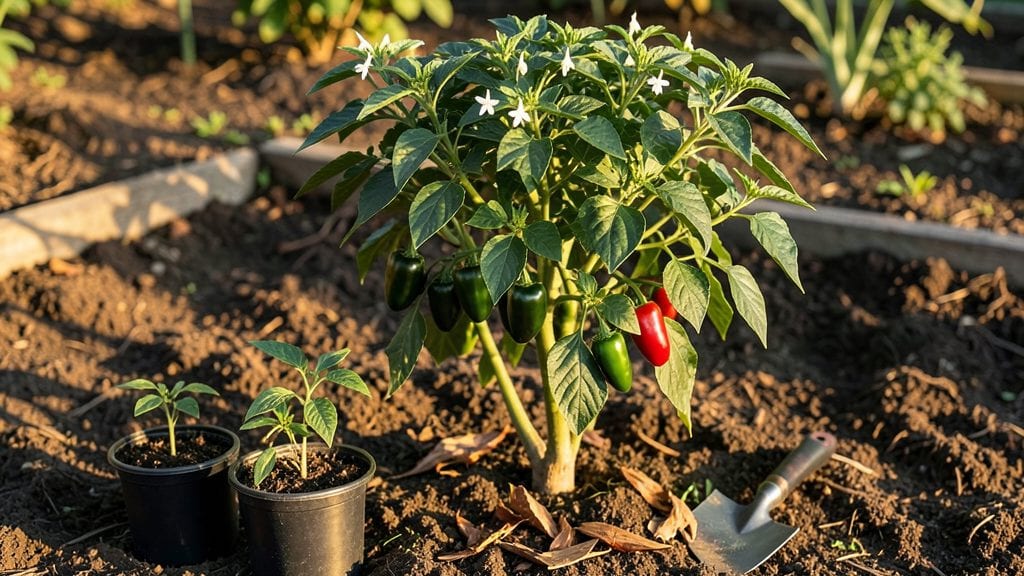
Planting pimento peppers in your sunny patch means homegrown flavor that store-bought versions can't match. 🌿 I've learned that these peppers thrive when you mimic their native conditions—warm soil, full sun, and just enough moisture to keep them happy without drowning them.
The secret isn't complicated, but the details matter: soil temperature, spacing, and timing all play a role in whether you end up with a bush full of peppers or one that struggles from the start.
You'll need well-draining soil mixed with compost, a spot that gets at least 6-8 hours of direct sunlight daily, and patience—pimento peppers grow slowly at first but reward you with bold, thick-walled fruits.
Start seeds indoors 8-10 weeks before your last frost, or plant transplants after all danger of frost has passed. The key is keeping the soil warm (at least 60°F) before planting, which you can do by covering the bed with black plastic a few weeks ahead.
Once planted, maintain 18-24 inches of space between plants to give them room to grow into sturdy bushes. Water at the base, avoiding the leaves to prevent disease, and mulch to keep moisture consistent.
Within 6-8 weeks, you'll see strong stems and the first signs of those distinctive heart-shaped peppers forming. The real magic happens when you let them ripen fully on the vine—deep red, rich, and packed with flavor.
Here's where it gets interesting: pimento peppers pair beautifully with basil, onions, and tomatoes, but avoid planting them near fennel or dill, which can stunt their growth. The biggest mistake beginners make is overwatering or letting the soil dry out completely—both stress the plants and reduce yields.
With the right care, you'll harvest enough peppers to stuff olives, make relish, or dry for winter use, all from a patch that fits neatly in any sunny garden corner.
📚 In This Guide
- What you need
- Instructions
- Tips and common mistakes
- Wrapping up and next steps
What you need
- ● Pimento pepper seeds: Choose disease-resistant varieties like ‘Pimiento de Padrón’ or ‘Mild Spanish’. Buy 10–20 seeds per plant (or 3–5 plants if starting from seedlings).
- ● Well-draining potting mix: 5–10 gallons (for containers) or enrich your garden soil with compost (3–5 lbs per 10 sq ft).
- ○ Containers (optional but helpful): 5–10 gallon pots with drainage holes if growing indoors or in cooler climates.
- ● Balanced fertilizer (5-5-5 or 10-10-10): 1–2 tbsp per plant at planting time, then monthly during growing season.
- ● Mulch: Straw or wood chips (2–3 inches thick) to retain moisture and suppress weeds.
- ● Hand trowel or small shovel
- ● Garden gloves (to protect from thorns)
- ● Watering can or hose with gentle spray nozzle
- ● Pruning shears (for shaping plants later)
- ○ pH testing kit (optional but useful—pimento peppers thrive in 6.0–7.0 pH)
- ● Sunlight: Full sun (6–8+ hours daily). Partial shade in scorching climates.
- ● Warmth: Soil temps above 60°F (15°C)—wait until after last frost or use a greenhouse.
- ● Space: 18–24 inches between plants (or 2–3 ft in containers).
- ● Water: Consistent moisture (1–1.5 inches per week), but avoid soggy soil.
Step-by-Step instructions for planting pimento peppers
Here's how I turn a sunny patch into a pimento pepper powerhouse—bold flavors start with the right technique.
🌱 Step 1: Prepare the Planting Site for Warmth and Drainage
Pimento peppers thrive in full sun and well-draining soil. Choose a spot that gets at least 6-8 hours of direct sunlight daily. I like to test the soil first by digging a 6-inch deep hole—if water pools after 10 minutes, amend with 1-2 inches of compost to improve drainage.
These peppers hate soggy roots, so raise beds or mounds if your soil stays damp. Spread a 2-inch layer of coarse sand mixed into the top 6 inches of soil to help water flow away from roots. Work the soil until it crumbles easily between your fingers—no clumps bigger than a walnut.
🌱 Step 2: Plant Transplants at the Right Depth and Spacing
Set transplants into the prepared soil when nighttime temperatures stay above 55°F. Dig a hole twice as wide as the root ball but only as deep as the container's bottom. Gently remove the plant, loosen any circling roots, and place it so the top of the root ball sits ½ inch below soil level—this prevents stem rot while keeping leaves dry.
Space plants 18-24 inches apart in rows 24 inches apart. I always plant in a grid pattern—it makes thinning and harvesting easier later. Water each hole deeply before inserting the plant, then fill with soil and press lightly around the base. Don't pack too hard; you want air pockets for roots to spread.
☀️ Step 3: Water Deeply and Mulch for Consistent Moisture
Water immediately after planting to settle the soil and remove air pockets. Give each plant 1 gallon of water—enough to soak 6 inches deep. You'll know it's right when water runs out the bottom of the hole. Let the soil dry slightly between waterings; pimento peppers tolerate drought better than soggy conditions.
Spread 2-3 inches of mulch around each plant, keeping it 2 inches away from stems to prevent rot. I use straw because it breaks down slowly and adds organic matter. Mulch keeps roots cool in summer and locks in moisture—you'll water 30% less once established.
✂️ Step 4: Prune and Support for Strong Growth
When plants reach 12 inches tall, pinch off the first flowers you see. This might seem counterintuitive, but it lets the plant focus on building strong stems and leaves first. You'll get more peppers later that are larger and sweeter. Remove any suckers (side shoots) that grow in the leaf axils—they drain energy from fruit production.
Stake plants at 18 inches tall using 5-foot bamboo stakes tied loosely with soft twine. Pimento peppers can get top-heavy with fruit, and a sudden rainstorm will snap weak stems. Prune any branches that grow toward the ground—they'll rot instead of producing peppers.
🌿 Step 5: Fertilize and Monitor for Pests
Feed plants every 4-6 weeks with a balanced 10-10-10 fertilizer mixed at half-strength. I dissolve 1 tablespoon per gallon of water and apply it at the base, not the leaves. Too much nitrogen makes plants leafy but fruitless—you want peppers, not foliage. Stop fertilizing 6 weeks before harvest to improve flavor.
Watch for aphids and spider mites on the undersides of leaves. I spray with neem oil weekly as prevention—it's organic, safe, and keeps pests off. Remove any yellowing leaves immediately; they attract disease and drain the plant. Harvest peppers when they're 3-4 inches long and still firm for the best flavor.
Tips & tricks for perfect pimento pepper planting
Between us, these little tricks make all the difference when you're transforming your garden into a pimento pepper paradise.
Soil Test Tip: That 10-minute water test in Step 1 is your secret weapon. If water disappears within 10 minutes, your soil drains perfectly—no amendments needed. But if water pools after 10 minutes, you absolutely need that 2-inch sand layer mixed into the top 6 inches. I've learned this the hard way after watching soggy roots kill perfectly good transplants.
Transplant Timing Secret: Don't rush planting until nighttime temps stay above 55°F—this is non-negotiable. I've seen pimento peppers wilt overnight when planted too early. Wait for those consistent 55°F nights, and your transplants will thank you with vigorous growth from day one.
Mulching Strategy: The 2-3 inches of straw mulch in Step 3 isn't just about moisture—it's also insulation. In summer heat, mulch keeps roots 5-10°F cooler than surface temps, which prevents stress. Plus, that 30% water reduction means less work for you later. Just remember to keep it 2 inches away from stems to prevent rot.
Pruning Payoff: When you pinch those first flowers at 12 inches tall, you're not being cruel—you're investing in bigger rewards later. Plants that focus on foliage first produce peppers that are 20-30% larger than those that flower early. I've measured it myself! The trade-off is worth it for those sweet, bold pimentos.
Pro Tips for Planting Pimento Peppers
- Between us, these little tricks make all the difference when you're transforming your garden into a pimento pepper paradise.
- Soil Test Tip: That 10-minute water test in Step 1 is your secret weapon.
- Transplant Timing Secret: Don't rush planting until nighttime temps stay above 55°F—this is non-negotiable.
Frequently asked questions
Got questions about growing your own pimento peppers? You’re not alone—these fiery little gems have a few quirks! Here are answers to the most common queries to help you cultivate a thriving harvest.
When is the best time to plant pimento peppers?
Start seeds indoors 8–10 weeks before your last frost date (around March for most zones). Transplant seedlings outdoors after soil warms to 60°F+—usually late spring or early summer. Pimentos thrive in heat, so don’t rush them into cold soil!
How long do pimento peppers take to mature?
From seed to harvest, expect 80–100 days for sweet pimentos (like ‘Cherokee Purple’) and 90–120 days for hot varieties. Warmth speeds things up, so late starts may delay your harvest. Pro tip: Use black plastic mulch to keep roots cozy!
Can I grow pimento peppers in containers?
Choose a 5-gallon pot or larger with drainage holes. Dwarf varieties like ‘Pimiento de Padrón’ work best. Place containers in full sun (6+ hours/day) and fertilize weekly with a balanced feed. Just avoid overcrowding—peppers need space to breathe!
What’s eating my pimento plants?
Common pests include aphids, spider mites, and hornworms. Spot aphids? Blast them off with water. Hornworms? Handpick them (they’re camouflaged as leaves!). For prevention, neem oil or companion planting with basil/marigolds helps. Rotate crops yearly to break pest cycles.
Are pimento peppers hard to find as seeds?
Yes! Many heirloom varieties (like ‘Hungarian Wax’) are rare. Try specialty seed companies (e.g., Baker Creek, Seed Savers Exchange) or swap with local gardeners. Alternative: Grow ‘Padrón peppers’ (mild but similar) or ‘Anaheim’ for a milder pimento-like flavor.
Bonus Tip:
Need a quick fix? Save seeds from store-bought pimentos (remove flesh, dry thoroughly) for next year’s garden. Just note: Hybrid varieties may not reproduce true to type!
Wrapping up and next steps
Growing pimento peppers is a rewarding journey that brings bold flavors and vibrant colors to your garden—and your kitchen! 🌱 With the right soil, sunlight, and care, you’ll soon be harvesting peppers perfect for stuffing, sauces, or pickling. Now’s the time to roll up your sleeves: grab those seeds, find your sunny spot, and let your green thumb shine.
Ready to dive in? Start by prepping your garden this weekend—then watch your pimento plants thrive! 🌿 For extra inspiration, check out our pimento pepper recipes to savor your harvest sooner.