Transplanting
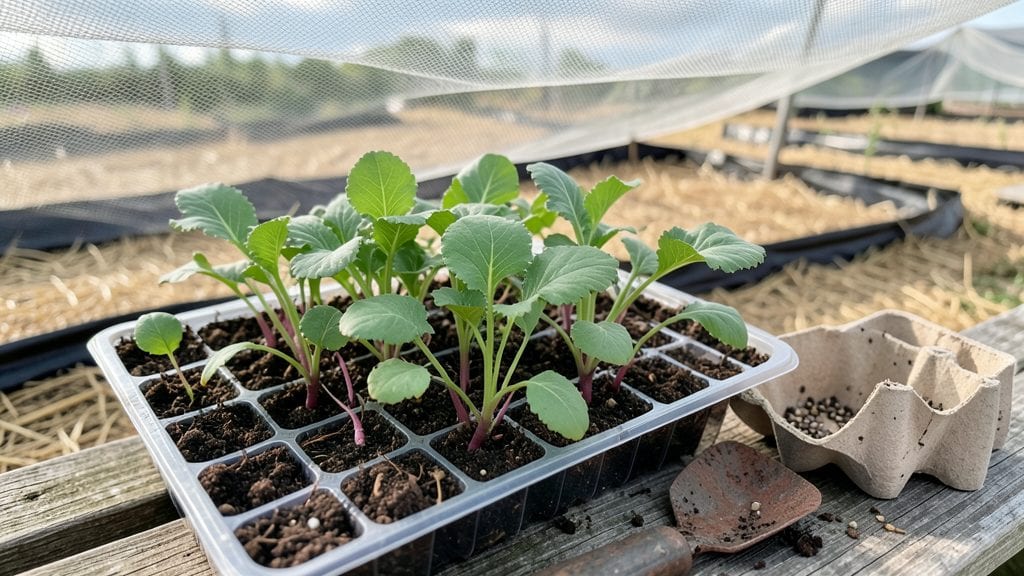
Planting radish seedlings gives you crisp, peppery greens in just 14 days—the fastest harvest in the garden. 🌱 I’ve watched my own seedlings pop up overnight after a cool spring rain, and there’s nothing like pulling fresh radishes straight from the soil.
The key isn’t just tossing them in the ground; it’s about timing, soil, and a little patience to avoid the common pitfalls that turn tender sprouts into bitter, woody roots.
You’ll need loose, well-draining soil mixed with compost, a sunny spot that gets at least 4-6 hours of light daily, and a gentle hand when transplanting. Radishes hate being disturbed, so handle those delicate seedlings like you’re tucking in a baby—too much roughing up, and they’ll sulk for weeks.
The right spacing (1-2 inches apart) and depth (just below the soil line) make all the difference between a thriving patch and a sad, stunted one.
Within days, you’ll see those first bright green leaves unfurling, and by week three, you’ll be harvesting bright red, crisp radishes that taste like nothing from the store. The secret?
Keep the soil consistently moist but not soggy, and watch for signs of stress—yellowing leaves mean it’s time to check your watering or sunlight. This isn’t just about growing radishes; it’s about mastering a crop that rewards speed and care.
Works year-round in cool seasons, and pairs perfectly with lettuce, carrots, or cucumbers to keep pests away. Once you’ve got the rhythm, you’ll be planting radishes like a pro—no more waiting for slow growers. Let’s get those seedlings in the ground!
📚 In This Guide
- What you need
- Instructions
- Tips and common mistakes
- Wrapping up and next steps
What you need
- ● Radish seedlings: 10–20 healthy, 1–2 inch tall seedlings (choose fast-maturing varieties like Cherry Belle or French Breakfast for 14-day harvests).
- ● Well-draining soil: 1–2 cubic yards of loose, fertile garden soil (amend with compost for optimal growth).
- ● Fertilizer: Balanced organic fertilizer (e.g., 10-10-10) or compost tea (1 tbsp per gallon of water).
- ● Watering can or hose: With a gentle spray nozzle for even moisture.
- ● Trowel or transplanting tool: For digging small, precise holes (3–4 inches deep).
- ● Garden gloves: To protect your hands from soil and sharp seedling roots.
- ● Measuring tape or ruler: To space seedlings 1–2 inches apart (check seed packet for variety-specific spacing).
- ○ Mulch (optional): Straw or shredded leaves to retain moisture and suppress weeds.
- ● Sunlight: Full sun (6+ hours daily) or partial shade (4–6 hours).
- ● Temperature: Ideal soil temps: 50–75°F (10–24°C). Avoid planting if frost is forecasted within 7 days.
- ● Water source: Consistent access to water (radishes need even moisture—no soggy or dry spells!).
Step-by-Step instructions for planting radish seedlings
Here's how to get your fast-growing radishes thriving in just two weeks.
🌱 Step 1: Prepare the Soil for Fast Germination
Radishes love loose, nutrient-rich soil that warms up quickly. Before planting, loosen the top 6 inches of soil with a garden fork or tiller to break up compaction. Add the 2 cups of compost to the planting area and mix it in thoroughly. This ensures your seedlings get the quick nutrients they need to sprout fast.
I like to rake the soil smooth afterward—radish seeds are tiny, and a rough surface can bury them too deep. Aim for a fine, crumbly texture where you can easily press seeds into the soil without disturbing their placement. If your soil feels dry, give it a light watering until it's moist but not soggy.
🪴 Step 2: Plant Seedlings at the Right Depth and Spacing
Radish seedlings should go in ½ inch deep—any deeper, and they'll struggle to push through. Use your finger to make small holes about 1 inch apart in rows that are 12 inches apart. This spacing gives them room to grow without competing for nutrients.
Gently remove each seedling from its container, keeping the root ball intact. Place it in the hole and firm the soil lightly around the base. If the seedlings look leggy, bury them slightly deeper—this encourages stronger stems. Water immediately after planting to settle the soil and remove any air pockets around the roots.
☀️ Step 3: Provide Consistent Moisture and Sun
Radishes need full sun (6+ hours daily) to germinate quickly and avoid bolting. After planting, water the area gently to keep the soil evenly moist—never soggy. I check the soil every morning; if the top inch feels dry, it's time to water again. Overwatering can cause rot, so let the top layer dry slightly between waterings.
Mulch with the 1 inch of straw to retain moisture and keep weeds down. This is especially helpful in hot weather, as radishes prefer cooler temperatures. If your area gets very hot, provide afternoon shade until the seedlings establish stronger roots.
⏰ Step 4: Monitor Growth and Thin as Needed
Radishes germinate in just 3-5 days, so you'll see tiny green sprouts quickly. Once they reach 1 inch tall, thin them to 2 inches apart to prevent overcrowding. Use scissors to snip unwanted seedlings at soil level—this avoids disturbing the roots of the plants you're keeping.
Watch for signs of pests like flea beetles, which can chew holes in leaves. If you see damage, handpick the beetles or use row covers. Radishes are ready to harvest in 14-21 days, so stay vigilant—overgrown radishes get tough and woody. You'll know they're ready when the tops reach 1-1½ inches wide.
Tips & tricks for planting radish seedlings
Fast germination is all about timing and preparation—here's how to give your radishes the best possible start.
Soil Preparation Secret: The key to fast germination lies in that 6-inch soil loosening from Step 1. Use a garden fork to break up compaction all the way down—this creates air pockets that help roots establish quickly. I've found that adding a handful of perlite to the compost mix improves drainage even more, especially in heavier clay soils. This prevents waterlogging that can delay sprouting.
Planting Depth Matters: Those ½-inch deep holes in Step 2 are critical—any deeper and your seedlings will struggle to push through. I like to use a pencil to mark planting depth if my finger isn't steady enough. For extra insurance, press the soil around each seedling firmly with your thumb to eliminate air pockets that could prevent root contact.
Watering Wisdom: The "moist but not soggy" rule in Step 3 is harder to judge than it sounds. I test soil moisture by grabbing a handful—if it holds together but crumbles when I open my hand, it's perfect. For faster germination, water in the morning so the soil stays consistently moist throughout the day. A gentle misting with a watering can prevents disturbing the tiny seedlings.
Thinning Technique: When you thin to 2 inches apart in Step 4, use clean scissors to avoid spreading disease. I've learned to thin in stages—first when they reach 1 inch tall, then again if they get crowded before harvest. This gradual approach prevents shocking the plants while still giving them room to grow.
Pro Tips for Planting Radish Seedlings
- Fast germination is all about timing and preparation—here's how to give your radishes the best possible start.
- Soil Preparation Secret: The key to fast germination lies in that 6-inch soil loosening from Step 1.
- Planting Depth Matters: Those ½-inch deep holes in Step 2 are critical—any deeper and your seedlings will struggle to push through.
Frequently asked questions
Got questions about transplanting radish seedlings?
You’re not alone—this fast-growing veggie has a few quirks! Here are answers to the most common concerns to help you grow thriving radishes.
When is the best time to plant radish seedlings?
Radishes thrive in cool weather, so aim for spring or fall (avoid summer heat). For spring, plant 2–4 weeks before the last frost—they’ll bolt (go to seed) if temps hit 75°F+. Fall plantings work until 6–8 weeks before your first frost for a second harvest.
How long do radish seedlings take to mature after transplanting?
Most varieties mature in 20–30 days after transplanting, but faster types (like ‘Cherry Belle’) can be ready in 14–21 days. Check seed packets for exact days—overcrowding or poor soil slows growth. Pro tip: Harvest when roots reach 1–2 inches in diameter to avoid toughness!
Can I plant radish seedlings directly from seed, or do I need to start indoors?
Radishes germinate best when sown directly in the garden—no need for indoor starts! Their tiny seedlings are delicate, and transplant shock can stunt growth. If you’re using seedlings, harden them for 3–5 days before moving outdoors to reduce stress.
Why are my radish seedlings wilting or turning yellow?
Yellowing leaves often signal overwatering, poor drainage, or pests (like flea beetles). Check soil moisture—radishes need 1 inch of water weekly but hate soggy roots. Fix it: Improve drainage, mulch to retain moisture, and use row covers to deter pests.
Are radishes hard to grow in containers or small spaces?
Not at all! Radishes are perfect for containers—just use pots 6+ inches deep with well-draining soil. Space seedlings 1–2 inches apart in rows 6 inches apart. Bonus: They’re great for interplanting with lettuce or carrots to maximize space!
Wrapping up and next steps
Planting radish seedlings is a rewarding way to enjoy fast, flavorful harvests in just 14 days! With the right soil, spacing, and care, you’ll soon be reaping crisp, vibrant greens perfect for salads, snacks, or side dishes. 🌱
Now that you’re ready to transplant, take the next step: monitor your seedlings and watch them thrive! Keep an eye on moisture, protect them from pests, and soon you’ll be celebrating your first homegrown radishes. Happy gardening! 🌟