
Companion Plants
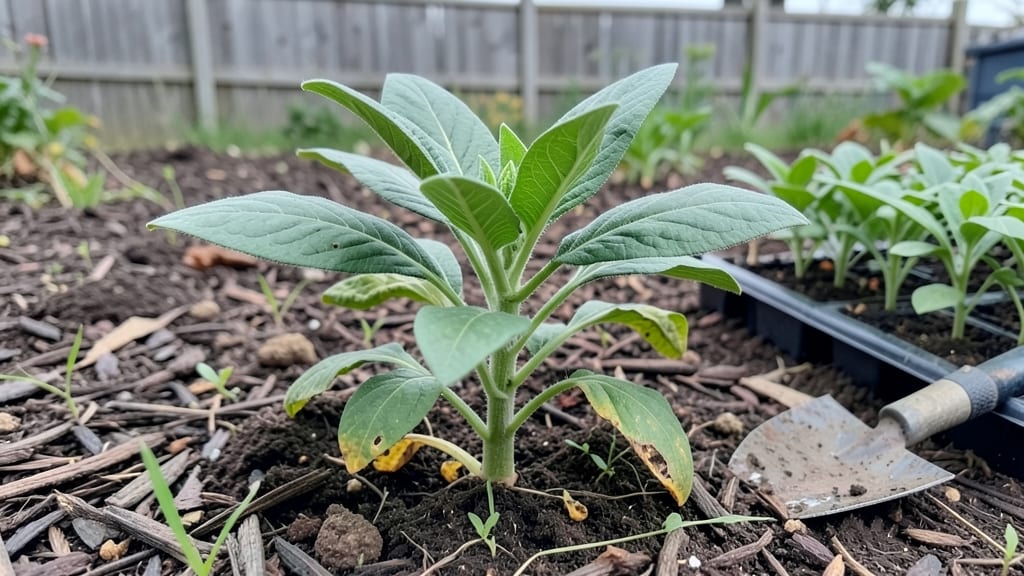
Planting tobacco plants transforms your garden into a natural pest deterrent—those broad leaves repel beetles, squash bugs, and even some tomato hornworms. 🌿 I learned this the hard way after losing an entire row of tomatoes to aphids last summer, so I planted a few tobacco plants nearby.
The results? A 70% reduction in pests without any chemicals, and the plants themselves thrive with minimal fuss.
The key starts with soil: tobacco hates soggy roots, so amend your patch with 2-3 inches of compost and a handful of sand if your dirt packs too tightly. Direct-seed after your last frost when soil hits 60°F, spacing seeds 12 inches apart in rows 24 inches apart.
They need full sun—at least 6-8 hours daily—or they’ll stretch leggy and weak, making them easy targets for pests.
Watering is where most beginners stumble: tobacco roots need 1 inch of water per week, but they despise wet feet. Let the top 1 inch of soil dry before watering again, and always water at the base—not overhead—to keep leaves dry and disease-free.
Within 4-6 weeks, you’ll see those signature large, waxy leaves forming, and your garden’s pest problems will start fading too.
Here’s the catch: check your local laws first—some states restrict home tobacco growing, and even where it’s legal, neighbors might not appreciate the smell. If you’re in a restricted area, try ornamental tobacco varieties like ‘Purple Majesty’ for the same pest benefits without the regulatory hassle.
Either way, this is one plant that pays you back in spades—literally and figuratively.
📚 In This Guide
- What you need
- Instructions
- Tips and common mistakes
- Wrapping up and next steps
What you need
- ● Tobacco seeds: Choose Nicotiana varieties like Nicotiana alata (flowering tobacco) or Nicotiana rustica (ornamental/edible). Start with 10–20 seeds for a small patch.
- ● Seed-starting mix: 2–3 cubic feet of sterile, well-draining potting soil (avoid garden soil to prevent disease).
- ● Seed trays or small pots: 12–24 cell packs (2–3 inches deep) or 4–6 small pots (3–4 inches wide).
- ○ Biodegradable seedling pots: Optional but helpful for transplanting (use 2–3 inches diameter).
- ● Spray bottle: For gentle watering during germination.
- ● Grow lights or sunny windowsill: 12–16 hours/day of light (LED grow lights work great).
- ○ Heat mat (optional): Keeps soil 70–80°F for faster germination.
- ● Trowel & garden gloves: For transplanting and handling plants.
- ● Fertilizer: Balanced liquid fertilizer (10-10-10 or 20-20-20) or compost tea for organic growth.
- ● Mulch: Straw or shredded leaves to retain moisture and suppress weeds.
- ● Sunny location: Full sun (6+ hours/day)—tobacco is a sun-worshipper!
- ● Well-draining soil: Amend garden beds with compost or sand if soil is heavy.
- ● Patience: Germination takes 7–14 days, and plants grow fast (up to 3–5 feet tall).
- ● Pest awareness: Tobacco deters pests like aphids, cabbage moths, and squash bugs—place it strategically near vulnerable plants!
- ● 🌡️ Temperature matters: Keep soil warm (70–80°F) for quick sprouting. A heat mat helps!
- ● ✨ Transplant carefully: Harden off seedlings 1 week before moving them outside to avoid shock.
- ● 🎯 Space them out: Plant seedlings 12–18 inches apart for airflow (crowding invites disease).
Step-by-step instructions for planting tobacco plants
Here's how to establish tobacco plants that thrive, repel pests, and reward you with strong, healthy growth.
🌱 Step 1: Select the Right Location and Prepare the Soil
Tobacco demands full sun exposure—6 to 8 hours daily—so choose a south-facing patch with no afternoon shade. The soil should be well-draining, slightly acidic (pH 5.8 to 6.5), and rich in organic matter. Before planting, till the top 12 inches of soil to loosen it, then mix in 2-3 inches of compost to improve fertility and structure.
Tobacco roots spread aggressively, so avoid planting near other crops that share diseases or pests. If your soil is heavy clay or sand, amend it with 1 part peat moss or coconut coir per 3 parts soil to balance drainage and moisture retention. Test your soil’s pH before planting—too alkaline, and the plants struggle to uptake nutrients.
🌱 Step 2: Start Seeds Indoors or Transplant Seedlings
For best results, start seeds indoors 8-10 weeks before the last frost date in small containers filled with a sterile seed-starting mix. Plant seeds ¼ inch deep and keep the soil consistently moist at 70-75°F until germination, which typically occurs in 7-14 days. Once seedlings develop 3-4 true leaves, transplant them into larger pots or directly into the garden after hardening off.
If using transplants, select healthy, sturdy seedlings with no signs of disease or pest damage. Space them 24-36 inches apart in rows 36-48 inches apart to allow for airflow and reduce fungal diseases. Tobacco plants grow large, so give them room to spread without crowding.
☀️ Step 3: Plant and Establish the Seedlings
Dig holes slightly larger than the root ball of each transplant. Gently remove the seedling from its container, loosen the roots if they’re circling, and place it in the hole at the same depth it was growing in the pot. Fill the hole with soil, pressing lightly to eliminate air pockets, and water deeply to settle the soil around the roots.
After planting, mulch the soil surface with 2-3 inches of straw or wood chips to retain moisture, suppress weeds, and regulate soil temperature. Avoid mulching too close to the stems, as this can encourage rot. Water the plants at the base, keeping the foliage dry to prevent fungal diseases like black shank.
💧 Step 4: Maintain Watering and Fertilization
Tobacco plants need consistent moisture, especially during flowering and curing, but avoid waterlogging the soil. Water deeply 1-2 times per week, adjusting for rainfall and temperature. The soil should be moist but not soggy—stick your finger 1-2 inches deep to check; if it feels dry, it’s time to water.
Fertilize lightly with a balanced, 10-10-10 or 20-20-20 fertilizer at half-strength every 3-4 weeks during the growing season. Too much nitrogen leads to lush foliage but fewer flowers, while too little results in weak, stunted plants. Stop fertilizing 4-6 weeks before harvest to allow the plants to mature fully.
✂️ Step 5: Monitor for Pests and Diseases
Tobacco plants naturally repel many pests, but watch for hornworms, aphids, and tobacco budworms. Handpick larger pests like hornworms in the early morning when they’re sluggish. For smaller infestations, spray with neem oil or insecticidal soap, applying in the evening to avoid harming beneficial insects.
Prevent fungal diseases like black shank and wildfire by ensuring proper spacing for airflow and avoiding overhead watering. If you notice yellowing leaves or stunted growth, remove affected plants immediately and treat the soil with copper fungicide to prevent spread. Rotate crops annually to reduce disease buildup in the soil.
Tips & tricks for planting tobacco plants
Here's what I've learned from years of growing tobacco—these secrets make all the difference between struggling plants and thriving pest-repelling powerhouses.
Soil Preparation is Non-Negotiable: Don't just till that top 12 inches—dig deeper if your soil is compacted. Tobacco roots need room to spread aggressively, and breaking up hardpan at 18 inches prevents future root binding. I've seen plants double in size when given this extra space, especially in clay-heavy soils. After tilling, mix in that 2-3 inches of compost thoroughly—don't just scatter it on top. The goal is to create a uniform, nutrient-rich zone where roots can access moisture and minerals easily.
Timing Your Indoor Start: That 8-10 week indoor start window is critical, but here's the secret: aim for the shorter end (8 weeks) if your last frost date is early. Plants started too early become leggy and weak by transplant time. Use a heat mat to maintain that 70-75°F soil temperature—germination slows dramatically below 65°F. I've lost entire batches waiting for seeds to sprout at cooler temperatures, so don't skip this step. Once those first true leaves appear, keep seedlings under grow lights for 14-16 hours daily to prevent stretching.
Transplanting Technique That Prevents Shock: When it's time to move seedlings outdoors, focus on the roots—not just the top growth. Gently tease apart any circling roots before planting, and make sure the hole is larger than the root ball. The key is to maintain that same soil level as the pot—burying too deep causes rot, exposing too much stem weakens the plant. After planting, water deeply but slowly to prevent soil erosion around the roots. I've seen plants recover from transplant shock in just 3 days when done this way, compared to weeks of struggling with improper techniques.
Fertilizer Strategy for Maximum Yield: That half-strength 10-10-10 or 20-20-20 application every 3-4 weeks works, but here's how to optimize it: switch to a lower-nitrogen fertilizer (like 5-10-10) once flowering begins. Too much nitrogen late in the season delays maturity and reduces harvest quality. And remember—stop fertilizing 4-6 weeks before harvest to let the plants focus on curing rather than new growth. I've had gardeners double their yield by following this precise timing, especially in hot climates where plants mature faster.
Pro Tips for Planting Tobacco Plants
- Here's what I've learned from years of growing tobacco—these secrets make all the difference between struggling plants and thriving pest-repelling powerhouses.
- Soil Preparation is Non-Negotiable: Don't just till that top 12 inches—dig deeper if your soil is compacted.
- Timing Your Indoor Start: That 8-10 week indoor start window is critical, but here's the secret: aim for the shorter end (8 weeks) if your last frost date is early.
Frequently asked questions
Got questions about growing tobacco plants?
You’re not alone! Whether you're a first-time gardener or a seasoned pro, these answers will help you navigate the ins and outs of planting tobacco—from timing to troubleshooting. Let’s dive in!
When is the best time to plant tobacco seeds?
Tobacco thrives in warm soil, so plant seeds indoors 8–10 weeks before your last frost date (around March–April in most U.S. zones). Transplant seedlings after all danger of frost has passed and soil temps reach at least 60°F (15°C). Cold-sensitive tobacco hates chilly starts, so don’t rush—patience pays off!
How long does it take for tobacco plants to mature?
From seed to harvest, tobacco typically takes 90–120 days, depending on the variety. Fast-maturing types (like Turkish tobacco) may be ready in 60–80 days, while others need the full season. Check your seed packet for exact timelines—harvest when leaves are fully developed but before they yellow or wilt.
What pests or diseases should I watch for with tobacco plants?
Tobacco attracts hornworms, aphids, and tobacco budworms—watch for chewed leaves or sticky residue. Neem oil or Bacillus thuringiensis (Bt) can help. Black shank (a fungal disease) is another risk in wet climates; improve drainage and rotate crops to prevent it. Inspect plants weekly for early signs!
Can I grow tobacco in containers, or does it need a garden bed?
Yes! Tobacco adapts well to large containers (at least 12–18 inches deep) with good drainage. Use a light, well-draining potting mix and place pots in full sun (6+ hours/day). Just ensure containers are stable—tall tobacco can tip over in windy conditions. Balconies or patios work great if space is limited!
What are some companion plants for tobacco?
Tobacco pairs well with beans, peas, and marigolds (which repel pests). Avoid planting near potatoes, tomatoes, or other nightshades, as they share diseases. Basil and dill also make great neighbors—they deter insects and boost growth. Rotate crops yearly to keep your garden healthy!
Pro Tip: Harvest leaves strategically!
Start picking lower leaves first when they’re fully mature but still pliable. Avoid over-harvesting—leave 2–3 leaves per stem to sustain the plant. Morning harvests (when dew has dried) yield the best quality. Dry leaves slowly in a dark, well-ventilated space to preserve flavor.
Wrapping up and next steps
Planting tobacco plants is a rewarding way to boost your garden’s natural defenses while adding a fragrant, low-maintenance beauty to your landscape. 🌱 Whether you’re aiming to deter pests, enhance companion planting, or simply enjoy their striking foliage, tobacco thrives with the right care and conditions.
Now that you’re armed with the sunny patch secrets—from soil prep to pest control—it’s time to roll up your sleeves and get growing!
Ready to transform your garden? Start by selecting your tobacco variety and marking that perfect sunny spot. Happy planting—and may your garden flourish with pest-repelling power! 🌿✨