
Aphids
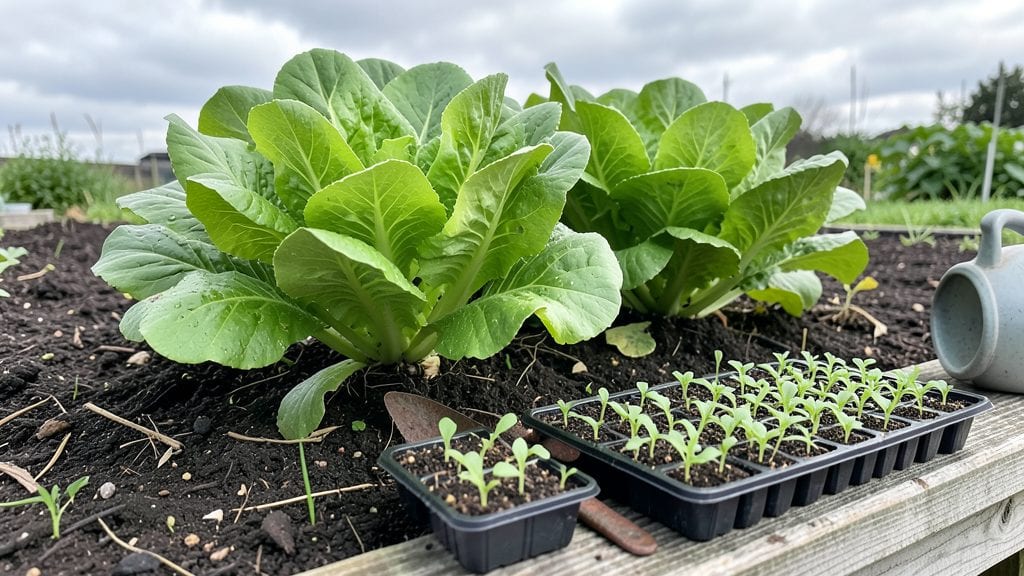
Planting winter lettuce transforms your garden into a frost-proof salad bar when most greens give up. 🌱 I learned the hard way that not all lettuce handles cold—until I discovered the varieties that thrive when temperatures drop.
The secret lies in timing, soil prep, and protecting young plants from sudden freezes.
You’ll need cold-hardy varieties like ‘Winter Density’ or ‘Arctic King,’ which stay crisp even after light frosts. Start seeds indoors 4-6 weeks before your first frost or sow directly in well-drained soil with a 2-inch layer of straw mulch.
Row covers add an extra 5-10°F of protection when nights get bitter.
By mid-winter, you’ll be harvesting tender leaves that taste sweeter after frost—no bolting, no rot, just steady growth. The key is consistent moisture (but not soggy soil) and watching for pests like aphids, which love winter lettuce too.
With the right setup, you’ll eat fresh greens straight from the garden through March.
Works in zones 3-8, though northern gardeners may need extra row covers. Southern growers can extend harvests into early spring with shade cloth during heatwaves. Here’s how to keep your winter lettuce thriving—no greenhouses required.
📚 In This Guide
- What you need
- Instructions
- Tips and common mistakes
- Wrapping up and next steps
What you need
- ● Winter lettuce seeds: Choose cold-hardy varieties like Winter Density, Arctic King, or Black Seeded Simpson (1–2 oz per 100 sq ft).
- ● Opt for slow-bolt varieties (e.g., 'Winter Marvel') to prevent early flowering.
- ● Growing containers or raised beds: Minimum 6-inch depth (deeper for larger varieties).
- ● Ensure drainage holes if using pots (10–12" diameter per plant).
- ● High-quality potting mix or garden soil: Use a well-draining, organic mix (e.g., 60% compost, 30% peat moss, 10% perlite).
- ● For containers: 1–2 cubic feet per plant (or 10–12" pots).
- ● Cold frame or row covers: Floating row covers (4' x 8' sheets) or mini hoop tunnels to protect from 20–25°F temps.
- ● Hand trowel or transplanting tool (for seeding/transplanting).
- ● Watering can with fine rose nozzle (gentle watering prevents seed displacement).
- ● Gloves & knee pads (for comfort in chilly soil!).
- ● pH test kit (ideal soil pH: 6.0–7.0).
- ○ Organic fertilizer (optional): Balanced 5-5-5 or 10-10-10 (1 tbsp per sq ft at planting).
- ● Fish emulsion (1-2-2 ratio) for nitrogen boosts.
- ● Location: Full sun to partial shade (4–6 hours of sunlight daily).
- ● Timing: Plant 6–8 weeks before first frost (e.g., late summer for Zone 5–7).
- ● Temperature: Ideal soil temp for germination: 50–65°F.
- ● Spacing: Rows: 12–18" apart.
- ● Plants: 6–12" apart (closer for baby leaves).
Step-by-Step instructions for planting cold-hardy winter lettuce
Here's how to grow lettuce that thrives in chilly weather and delivers crisp harvests well into winter.
🌱 Step 1: Choose the Right Varieties and Prepare the Soil
Select cold-hardy varieties like 'Winter Density,' 'Arctic King,' or 'Black Seeded Simpson'—these varieties withstand light frost and even brief sub-freezing temperatures. Avoid heat-loving types like romaine or butterhead, which bolt quickly in cool weather. Clear the planting area of weeds and loosen the soil to a depth of 6 inches using a garden fork or tiller.
Amend the soil with 2-3 inches of compost and work it in thoroughly. Lettuce thrives in loose, well-draining soil with a pH between 6.0 and 7.0. If your soil is heavy clay, mix in 1 part sand per 3 parts soil to improve drainage. This ensures roots won’t suffocate or rot in winter’s damp conditions.
🌿 Step 2: Time Planting for Optimal Growth
Plant lettuce seeds 6-8 weeks before your first expected frost for a fall harvest, or 4-6 weeks before if you want a winter crop. For true winter production, sow a second batch 8-10 weeks before the last frost date. Lettuce grows slowly in cool weather, so give it plenty of time to establish before temperatures drop.
Sow seeds ¼ inch deep in rows spaced 12-18 inches apart. Thin seedlings to 6-8 inches apart once they develop 2-3 true leaves. This spacing prevents overcrowding, which leads to leggy, bitter leaves. Water gently after sowing to settle the seeds into the soil without displacing them.
☀️ Step 3: Provide Light and Protection for Winter Growth
Lettuce needs 4-6 hours of sunlight daily, even in winter. Choose a location with maximum winter sun exposure, like a south-facing bed or a raised bed that warms up faster. If your winters are particularly harsh, protect young plants with a floating row cover or lightweight fabric row cover to shield them from strong winds and freezing temperatures.
Remove covers during the day to allow sunlight and air circulation, then replace them at night. This balance prevents frost damage while still letting the plants grow. Watch for signs of stress—yellowing leaves or stunted growth—indicates the cover is trapping too much heat or blocking too much light.
💧 Step 4: Water and Fertilize for Frost-Proof Resilience
Keep the soil consistently moist but not soggy—lettuce roots need steady hydration to survive winter. Water deeply 2-3 times per week, adjusting for rainfall. In winter, soil holds moisture longer, so reduce watering if the ground feels damp 1 inch below the surface. Overwatering in cold weather can lead to rot, especially in heavy soils.
Apply a balanced, slow-release fertilizer at planting and again 4-6 weeks later to support steady growth. Avoid high-nitrogen fertilizers late in the season—they encourage leafy growth that bolts quickly when temperatures rise. Instead, use a low-nitrogen, high-phosphorus blend to strengthen roots and improve cold tolerance.
✂️ Step 5: Harvest and Protect Through Winter
Begin harvesting outer leaves when plants reach 4-6 inches tall, cutting just above the base to encourage regrowth. This method, called "cut-and-come-again," extends the harvest season. In late fall, protect the bed with straw mulch (2-3 inches thick) to insulate roots and prevent soil heaving from freeze-thaw cycles.
If temperatures drop below 20°F, cover the entire bed with a thick layer of burlap or a cold frame to shield plants from extreme cold. Check for frost damage daily—if leaves turn brown or mushy, trim affected areas immediately. With proper care, your winter lettuce will keep producing crisp, flavorful leaves until spring.
Tips & tricks for perfect winter lettuce planting
Cold-hardy lettuce thrives when you pay attention to these key details—here's what I've learned from growing frost-proof greens through multiple winters.
Variety Matters: While 'Winter Density,' 'Arctic King,' and 'Black Seeded Simpson' are your best bets for sub-freezing conditions, don't overlook 'Winter Marvel' for its extra cold tolerance down to 15°F. These varieties develop thicker leaves that resist bolting better than heat-loving types. I've found that planting a mix of two varieties gives you a longer harvest window—some varieties may mature faster than others in your climate.
Soil Preparation Secret: The 6-inch deep soil loosening in Step 1 is crucial, but don't stop there. After amending with 2-3 inches of compost, create small mounds about 2 inches high where you'll plant. This elevation improves drainage in winter's heavy soils and prevents waterlogging that leads to rot. I've seen winter lettuce roots suffocate in compacted soil, even with proper compost.
Timing Precision: Those 6-8 week planting windows before frost are non-negotiable for fall harvests, but here's the trick: adjust based on your microclimate. If you're in a coastal area with milder winters, you might push to 5 weeks before frost. For inland areas, err on the longer side—9 weeks before your last frost date for true winter production. I learned this the hard way after planting too late in my first year.
Winter Protection Layering: When temperatures drop below 20°F, layer your protection strategically. Start with 2-3 inches of straw mulch on the soil surface (as mentioned in Step 5), then add a lightweight fabric row cover over the plants. For extreme cold snaps, place a thick burlap layer over the fabric. This multi-layer approach creates an insulating air pocket that maintains temperatures just above freezing.
Pro Tips for Planting Winter Lettuce
- Cold-hardy lettuce thrives when you pay attention to these key details—here's what I've learned from growing frost-proof greens through multiple winters.
- Variety Matters: While 'Winter Density,' 'Arctic King,' and 'Black Seeded Simpson' are your best bets for sub-freezing conditions, don't overlook 'Winter Marvel' for its extra cold tolerance down to 15°F.
- Soil Preparation Secret: The 6-inch deep soil loosening in Step 1 is crucial, but don't stop there.
Frequently asked questions
Got questions about planting winter lettuce?
You’re not alone! Here are some of the most common concerns—and their simple solutions—to help you grow crisp, cold-hardy greens all season long.
When is the best time to plant winter lettuce?
For frost-proof harvests, aim to plant 6–8 weeks before your first expected frost (typically late summer to early fall in most climates). This gives lettuce time to establish roots before cold weather sets in. In mild winter zones, you can even plant into early winter for spring harvests!
Can lettuce survive a hard freeze?
Most winter lettuce varieties (like Winter Density or Arctic King) tolerate light frosts, but hard freezes (<20°F/-7°C) can damage tender leaves. Protect plants with row covers, mulch, or cold frames during extreme cold snaps. Harvest before heavy freezes if possible!
How do I keep aphids and pests away from winter lettuce?
Aphids love winter lettuce! Combat them with neem oil, insecticidal soap, or companion planting (try garlic, onions, or chives nearby). Check leaves daily in early spring—aphids multiply fast in warm, sheltered microclimates. Ladybugs are your best natural allies!
Will winter lettuce bolt in cold weather?
Bolt-resistant varieties (like Winter Marvel) are bred to handle cold, but heat spikes in winter (e.g., sunny days above 70°F/21°C) can trigger bolting. Use shade cloth (30–50%) on sunnier winter days to keep temps stable and extend harvests.
What’s a good alternative if winter lettuce fails?
If your lettuce struggles with pests or cold, try kale, spinach, or arugula—they’re even hardier! Winterbor kale and Tyee spinach thrive in frost and add bold flavors. For quick greens, microgreens (like pea shoots) grow fast in containers indoors too!
Pro Tip:
Harvest outer leaves first to avoid stressing the whole plant. Cut-and-come-again works great for winter lettuce—just leave the inner rosette intact, and you’ll get multiple harvests before bolting or frost!
Wrapping up and next steps
Planting winter lettuce is your ticket to a fresh, crisp harvest even when temperatures drop! By choosing cold-hardy varieties like Winter Density or Arctic King, you’ll enjoy homegrown greens without the fuss.
With the right timing, soil prep, and protection from pests like aphids, you’re set for success—no greenhouse required!
Ready to dive in? Start small with a single bed or container, then expand as you gain confidence. Happy planting—and may your garden stay as resilient as your lettuce! 🌱❄️