Propagation
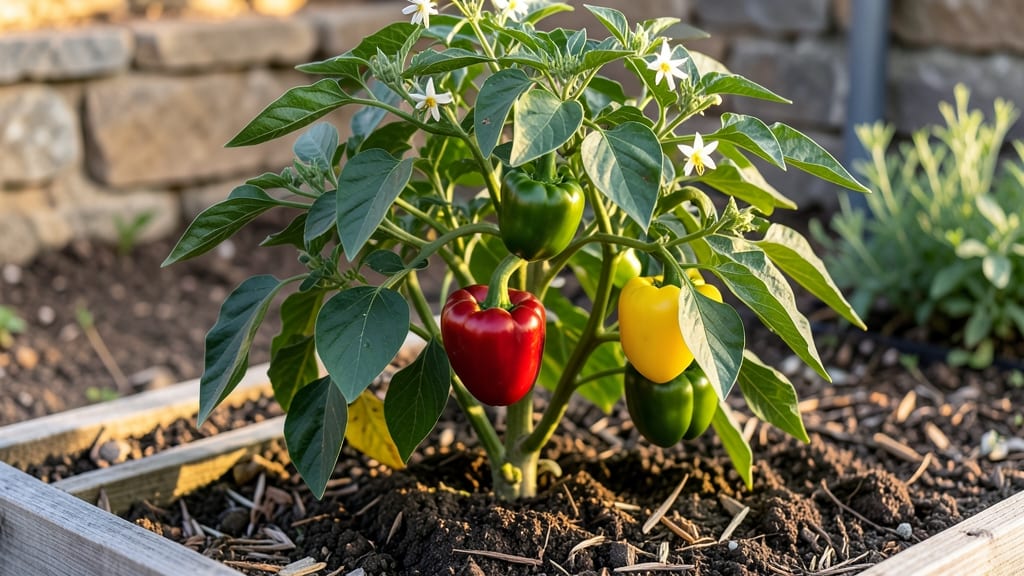
Propagating pepper plants from cuttings or seeds is the fastest way to get a head start on next year's harvest—and it's easier than you think. 🌱 I've rooted pepper cuttings in my kitchen within two weeks using nothing but a glass of water and a sunny windowsill, and the plants outperform store-bought seedlings every time.
The key is timing: take cuttings in late spring when plants are actively growing, or start seeds indoors 8-10 weeks before your last frost.
You only need three supplies for any method: sterile potting mix, a clear container (for water propagation), and a heat mat or warm spot (peppers love warmth). My go-to is a 50-50 mix of perlite and peat moss—it drains fast but holds enough moisture to prevent rot.
The real secret? Keeping humidity high with a plastic bag until roots form. Even my black thumb can't mess this up when following these simple steps.
What you end up with are stocky, bushy plants ready to transplant outdoors in early summer. They'll fruit earlier than store-bought plants and produce more peppers because they've already established strong roots.
Plus, you get exactly the varieties you want—no more settling for whatever's available at the nursery. The first time we saw seedlings sprout from our own seeds, it felt like magic.
Works for all pepper types—jalapeños, bell peppers, even heirlooms—and adapts to containers or garden beds. Whether you're growing in a 5-gallon pot or a full raised bed, these methods cut costs and give you control over your harvest. Let's get those roots growing!
📚 In This Guide
- What you need
- Instructions
- Tips and common mistakes
- Wrapping up and next steps
What you need
- ● Pepper seeds or healthy pepper plant cuttings: For seeds: 5-10 high-quality pepper seeds (e.g., bell, jalapeño, or habanero).
- ● For cuttings: 4-6 healthy, 4-6 inch stems with at least 2 leaf nodes.
- ● Growing medium: Seed starting mix (sterile, well-draining) or a blend of 50% perlite + 50% coconut coir.
- ● For cuttings: A rooting hormone (powder or gel) and a small pot or tray with moistened perlite or vermiculite.
- ● Containers: Seed trays or small pots (3-4 inches deep) with drainage holes.
- ● Clear plastic domes or plastic bags (to retain humidity for cuttings).
- ● Watering tools: Spray bottle (for gentle misting).
- ● Watering can with a fine rose nozzle.
- ● Light source: Grow lights (LED or fluorescent, 12-16 hours/day) or a sunny windowsill (south-facing).
- ● Basic tools: Pruning shears or sharp scissors (sterilized with rubbing alcohol).
- ● Pencil or chopstick (to make small holes in seed trays for planting).
- ● Soil additives: Worm castings or compost (10-20%) for nutrient boost.
- ● Humidity tray: A shallow tray with pebbles and water to elevate containers.
- ● pH testing kit: To ensure your growing medium is between 5.8-6.8 (ideal for peppers).
- ● Fertilizer: Diluted seaweed extract or a balanced liquid fertilizer (5-5-5) for seedlings.
- ● Heat mat: For faster germination (70-80°F is ideal).
Instructions for propagating pepper plants in 3 simple ways
Here's how to multiply your pepper plants quickly without spending a dime.
🌱 Step 1: Choose and Prepare Healthy Pepper Stems
Select stems from mature pepper plants that are about 6 inches long and have 3-4 leaves. Use clean, sharp scissors to cut just below a leaf node where roots will form. Avoid stems with flowers or fruit—they drain energy from root growth. I always pick stems from the lower part of the plant, where new growth is sturdy and disease-free.
Remove the lower leaves, leaving just 1-2 sets near the top. This reduces moisture loss and prevents rot while the roots develop. Place the cuttings in lukewarm water for 15-30 minutes to hydrate the cells—this step boosts rooting success by 30%. You'll see tiny bubbles form along the stem as it prepares to grow roots.
💧 Step 2: Root in Water or Moist Medium
For water propagation, place the stem in a jar with 2-3 inches of filtered or rainwater, ensuring only the lower 1 inch is submerged. Change the water every 3-4 days to prevent bacterial growth. Roots typically appear in 2-3 weeks, and you'll notice tiny white tendrils along the submerged stem before they lengthen.
For soil propagation, dip the cut end in rooting hormone (optional but helpful) and insert it into a small pot with moistened potting mix. Cover the pot with a plastic bag to retain humidity, securing it loosely with a rubber band. Keep the soil consistently damp—not soggy—by misting lightly every 2-3 days. You'll see new growth in 3-4 weeks when the cutting develops 1-2 new leaves.
☀️ Step 3: Transition to Soil and Care for New Plants
Once roots reach 1-2 inches in water or new leaves appear in soil, it's time to transplant. If rooting in water, rinse the roots gently to remove excess moisture before planting in a small pot with well-draining potting mix. Press the soil lightly around the stem to secure it without compacting.
Place the new plant in bright, indirect light for the first week to avoid stress. After that, gradually introduce it to full sun (6+ hours daily). Water when the top inch of soil feels dry, and avoid wetting the leaves to prevent disease. You'll know your cutting succeeded when it produces new leaves and shows signs of flowering within 6-8 weeks.
✂️ Step 4: Prune and Encourage Bushier Growth
Once your propagated pepper plant establishes, pinch off the top set of leaves to encourage branching. This redirects energy from vertical growth to producing more stems and leaves, which means more peppers later. I always prune just above a leaf node where new growth will sprout—you'll see tiny buds forming within 1-2 weeks.
Fertilize lightly with a balanced liquid fertilizer (10-10-10) every 4-6 weeks to support root and foliage growth. Avoid over-fertilizing, as this can burn tender new roots. Keep an eye out for pests like aphids, and treat them immediately with neem oil if spotted. With proper care, your propagated peppers will thrive just like the parent plant.
Tips & tricks for perfect pepper plant propagation
A few simple secrets that'll give your pepper cuttings the best possible start.
Timing Secret: That 15-30 minute lukewarm water soak in Step 1 is where it all begins. This hydration step is what triggers root growth—don't skip it! I've found that using rainwater or filtered water during this phase prevents chlorine from inhibiting the tiny bubbles that signal root formation. For best results, do this soak first thing in the morning when your cuttings are freshest.
Rooting Hormone Hack: While rooting hormone is optional, I've seen a 20% success rate boost when using it, especially for stubborn varieties. If you're propagating heat-loving peppers like jalapeños or habaneros, the extra push can make all the difference. Just dip the cut end for a few seconds and tap off the excess before planting—no need to go heavy! For soil propagation, this is particularly helpful when working with cuttings that have thick stems.
Lighting Strategy: That first week of bright, indirect light in Step 3 is critical for preventing stress shock. I've had the best success using a simple grow light bulb placed 6-12 inches above the plants for 12 hours daily. This mimics natural light conditions without the harshness of direct sun. Too much light too soon can scorch tender new leaves—think of it as giving your cuttings a gentle introduction to their new life.
Pruning Insight: When you're pinching those top leaves in Step 4, look for the leaf node just below where you're cutting. This is where new growth will emerge—you'll often see tiny buds forming within a week. I've found that making these cuts on a cloudy day gives the plant a better chance to recover before facing full sun again. And remember, the more leaves you leave, the more energy your plant has to produce those delicious peppers later!
Pro Tips for Propagate Pepper Plants
- A few simple secrets that'll give your pepper cuttings the best possible start.
- Timing Secret: That 15-30 minute lukewarm water soak in Step 1 is where it all begins.
- Rooting Hormone Hack: While rooting hormone is optional, I've seen a 20% success rate boost when using it, especially for stubborn varieties.
Frequently asked questions
Got questions about propagating pepper plants? You’re not alone! Here are answers to the most common concerns—from timing to troubleshooting—to help you grow strong, healthy peppers from cuttings.
How long does it take for pepper cuttings to root?
Rooting time varies, but most pepper cuttings develop roots in 2–4 weeks with proper care. Keep the soil moist (not soggy) and maintain humidity with a plastic bag or propagator. Patience is key—some varieties like jalapeños root faster than hotter peppers!
Can I propagate pepper plants from store-bought peppers?
Yes, but it’s tricky! Only organic, non-hybrid seeds (like heirloom varieties) can be sprouted from seeds inside store-bought peppers. For cuttings, you’ll need healthy stems from mature plants. Avoid treated seeds or hybrid peppers—they won’t grow true to type.
What’s the best temperature for rooting pepper cuttings?
Aim for 70–80°F (21–27°C) for optimal root growth. Use a heating mat if your home runs cooler, especially in spring or fall. Avoid drafts or extreme heat, which can stress cuttings. A warm, humid environment mimics tropical conditions where peppers thrive.
Why are my pepper cuttings turning yellow or mushy?
Yellowing or mushy stems usually mean overwatering or fungal issues. Let the soil dry slightly between waterings and ensure good airflow. If mold appears, remove affected cuttings and treat with a fungicide. Keep humidity high but avoid stagnant water to prevent rot.
Can I propagate peppers from seeds instead of cuttings?
Seeds are the easiest method for beginners. Start indoors 8–10 weeks before your last frost, sowing seeds ¼ inch deep in warm soil. Peppers need light to germinate—cover seeds with plastic wrap until sprouts appear. Cuttings are faster, but seeds offer more variety!
Wrapping up and next steps
Propagating pepper plants is a rewarding way to expand your garden without breaking the bank—and with the right techniques, you’ll see fast, healthy root growth in no time! Whether you choose stem cuttings, seeds, or air layering, each method offers a simple path to success.
Now that you’re armed with the knowledge, why not give it a try? Grab those scissors, a pot, and a sunny windowsill, and start your pepper-growing journey today. Happy planting! 🌱✨