Pruning
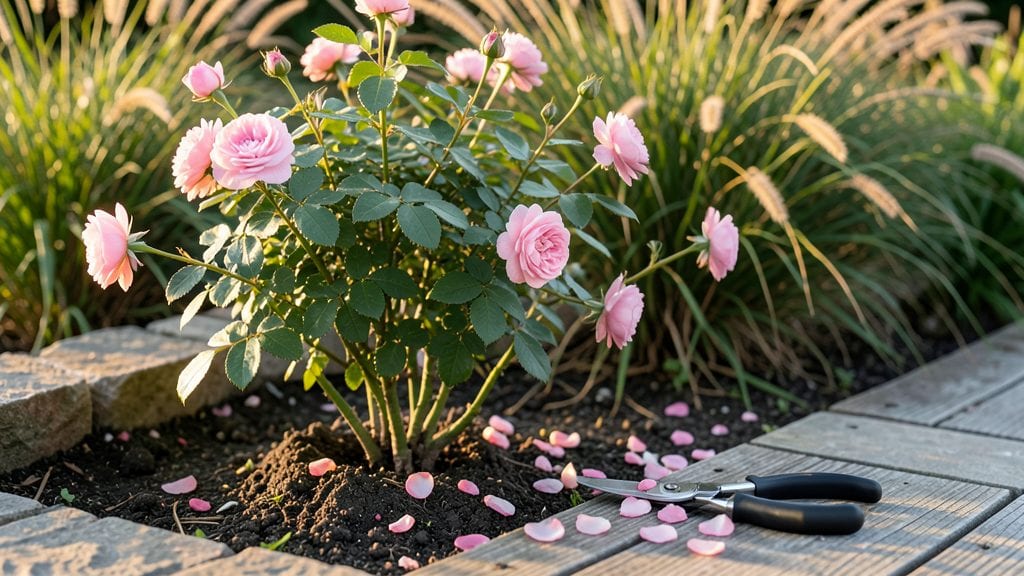
Pruning plants means strategically trimming branches, leaves, or roots to improve growth, airflow, and fruit production while maintaining plant health and shape. Done correctly, it boosts yields, reduces disease risk, and encourages stronger stems.
When you prune plants, you're not just cutting back growth—you're actively shaping how the plant develops. 🌿 This practice redirects energy to where it matters most, whether that's producing more fruit or encouraging bushier foliage.
For example, fruit trees benefit from pruning because it opens up the canopy, allowing sunlight to reach all branches and improving air circulation to prevent fungal diseases. The key is understanding which parts to remove: dead wood, crossing branches, or overcrowded growth all compete with the plant's primary goals.
Think of pruning as a conversation with your plants. By removing certain parts, you're telling the plant where to focus its resources. 💫 This isn't just about aesthetics—it's about long-term health.
For instance, roses need regular pruning to prevent disease and encourage more blooms, while citrus trees respond well to light pruning to maintain their shape and fruit quality. The timing and technique vary by plant type, but the core principle remains: strategic cuts lead to better growth.
💡 In This Article
- How Pruning Affects Plant Growth Mechanisms
- Best Pruning Practices for Fruit Trees and Ornamental Plants
How pruning affects plant growth mechanisms
When you make a precise cut on a plant, you're not just removing a branch—you're triggering a hormonal cascade that reshapes the plant's growth patterns. The key player here is auxin, a natural plant hormone produced at the tips of growing shoots.
Auxin suppresses growth on lower branches through a process called apical dominance, ensuring energy flows upward. Pruning removes these auxin-producing tips, which instantly reduces this suppression and allows dormant buds to wake up and grow into new branches.
This hormonal shift explains why a heavily pruned shrub like a hydrangea can produce 30-50% more blooms the following season.
The plant redirects its energy from vertical growth to lateral branching, creating a fuller, more productive structure. 🌿 For fruit trees, pruning at 30-40% of the canopy during late winter can increase fruit yield by up to 25% by improving light penetration and air circulation.
The wound created by cutting also stimulates the production of cytokinins, another growth hormone that promotes cell division at the cut site, leading to faster healing and new shoot formation.
However, the effects vary dramatically between plant types. Aggressive pruning of a grapevine might stimulate vigorous new growth but could reduce fruit quality if overdone, while gentle pruning of a rose bush maintains its shape without sacrificing blooms.
The root-to-shoot ratio also plays a critical role: pruning above ground forces the roots to work harder, which can lead to stronger stems but may stress the plant if not balanced properly. This is why professional growers often prune in stages, monitoring the plant's response at each step.
What most gardeners overlook is how pruning affects the plant's water transport system. Removing dense foliage reduces the plant's water demands, preventing stress during drought. In contrast, leaving too many branches can lead to overcrowding, where competing shoots weaken the plant's structural integrity.
The science of pruning even extends to the phloem—the plant's food transport system—which can become more efficient when pruning opens up the canopy, allowing better sunlight absorption for photosynthesis.
Consider the case of a peach tree: when you prune to create an open-center shape, you're not just improving airflow—you're also ensuring the strongest branches bear the fruit load.
The tree's natural response to pruning is to produce thicker, stronger stems at the cuts, which can support more weight. This structural reinforcement is why professional orchards often prune their trees annually, despite the initial shock to the plant.
The long-term benefits—larger fruit size and higher yields—far outweigh the temporary stress of the cuts.
The timing of pruning also influences these mechanisms. Pruning in late winter, just before new growth begins, allows the plant to heal before the growing season. This timing maximizes the hormonal response while minimizing stress.
In contrast, pruning in summer can stimulate suckering—the growth of weak, watery shoots that drain the plant's energy. Understanding these physiological triggers lets you prune with precision, turning what might seem like a destructive act into a powerful tool for shaping your plants' future growth.