Pruning
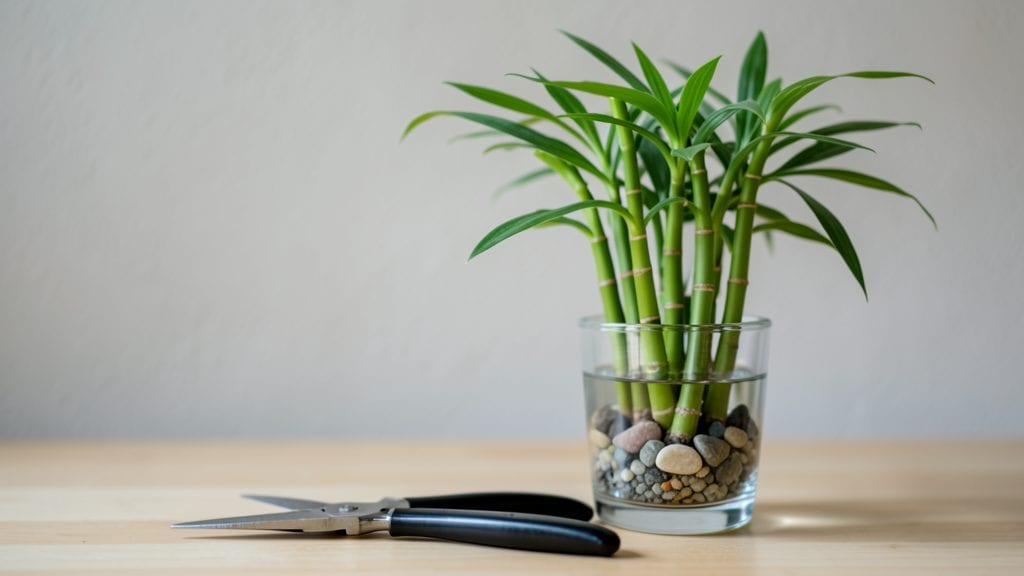
Pruning bamboo plants keeps them healthy, contained, and thriving—but I’ve watched even experienced gardeners turn their lush groves into tangled messes by cutting at the wrong time or using the wrong tools.
The secret isn’t just when you prune; it’s how you do it, with sharp cuts and the right seasonal rhythm.
You’ll need three key trims a year: a light cleanup in early spring, aggressive thinning in late summer, and a final reset in winter for spreading types. My favorite tools?
A pruning saw for thick canes, bypass loppers for mid-sized stems, and gloves—because some bamboo varieties fight back like brambles. Safety first: always wear eye protection when hacking through mature growth.
After pruning, your bamboo will reward you with fresh green shoots within weeks, especially if you fertilize with a balanced 10-10-10 mix.
The real magic happens when you time cuts to avoid shocking the plant—never remove more than one-third of the canes at once, or you’ll trigger stress that invites pests. For clumping bamboo, this method keeps it tidy for years.
Running bamboo? Add a physical barrier like buried edging or a root barrier to stop underground spread. The first year is the hardest—after that, maintenance turns into a 10-minute monthly check, not a weekend chore. Trust the process, and your bamboo will stay lush without taking over the yard.
📚 In This Guide
- What you need
- Instructions
- Tips and common mistakes
- Wrapping up and next steps
What you need
- ● Pruning shears or loppers – Choose bypass pruners (for clean cuts) or loppers (for thicker stalks). A sharp, high-quality pair is a must—dull blades crush stems and invite disease. Recommended size: 6-8" pruners for small clumps, 10-12" loppers for mature bamboo.
- ● Hedge shears – Ideal for neatly trimming foliage and shaping dense clumps. Opt for ergonomic, lightweight shears (10-14" blade length).
- ● Gloves (heavy-duty) – Protect your hands from sharp bamboo edges, sap, and thorns (if dealing with running bamboo varieties). Look for nitrile-coated or leather gloves with grip.
- ● Disinfectant (70% isopropyl alcohol or bleach solution) – Sanitize tools before and after pruning to prevent fungal/bacterial spread. Mix 1 part bleach to 9 parts water for a quick wipe-down.
- ● Rake or leaf blower – Helps clear debris from the work area post-pruning. A stiff-bristle rake works well for thick bamboo litter.
- ○ Mulch or compost – Optional but helpful for covering cut stumps to prevent regrowth or enrich soil. Use 2-3 inches of organic mulch (e.g., wood chips, straw).
- ● Winter: Heavy-duty tarp or burlap – Protects newly pruned clumps from frost or wind damage (especially for tender bamboo varieties).
- ○ Spring/Summer: Pruning sealant (optional) – Apply to large cuts (2"+ diameter) to prevent sap loss and speed healing. Use a latex-based sealant like Tanglefoot Tree Wound Pruning Seal.
- ● Running bamboo: Barrier fabric (e.g., landscape fabric) – If controlling spread, have 3-4 feet wide x 1-foot deep strips ready to bury around rhizomes.
- ● Eye protection (safety goggles) – Sap or debris can irritate eyes during heavy pruning.
- ● Long sleeves/pants – Protects against scratches and sap burns.
- ● Water (and snacks!) – Pruning bamboo can be physically demanding, especially in hot weather.
Instructions for pruning bamboo plants: year-round control with 3 seasonal trims
Mastering bamboo pruning means understanding when to cut—and when to leave it alone. This three-season approach keeps your plants vigorous while preventing invasive spread.
Late Winter Pruning for Structural Health
Begin in late February or early March, before new growth starts. This is when dormant canes are most manageable, and you can assess the plant's framework without disturbing active shoots. Look for dead, broken, or crossing canes—these are your first targets. Use clean, sharp pruners to make cuts at a 45-degree angle, about ¼ inch above a node (the bump where leaves or branches emerge).
Remove any canes that are hollow, discolored, or showing signs of disease. These won’t recover and will only drain energy from healthy growth. For clumping bamboo, also trim back any runners that have escaped the designated area, cutting them at ground level. This step ensures your plant starts the growing season strong and reduces future congestion.
Mid-Summer Maintenance to Encourage Airflow
In July or August, focus on thinning out dense growth to improve airflow and sunlight penetration. Target canes that are growing too close together or rubbing against each other, as this creates friction wounds and invites pests. Cut these back to 6-12 inches above the ground, depending on the bamboo’s mature height. For running bamboo, this is also the time to install or reinforce underground barriers if you haven’t already.
Watch for new shoots emerging outside your desired boundary. These should be removed immediately at the base to prevent them from establishing roots. If you’re growing bamboo in containers, lightly prune the outer canes to encourage bushier growth inside the pot. Avoid heavy pruning now—you’re shaping, not reshaping. The goal is to maintain balance, not force regrowth.
Fall Cleanup for Winter Preparation
In October or November, shift your focus to removing all dead or yellowing leaves and canes. These can harbor fungal spores and pests over winter. Use sterilized pruners to cut back any weak or leggy growth, leaving 2-3 strong canes per clump for structural support. For running bamboo, trim back any runners that have broken through barriers, even if they’re small—prevention is easier than cleanup later.
This is also the time to fertilize lightly with a balanced, slow-release fertilizer to support root development before dormancy. If your bamboo is in a cold climate, consider wrapping young canes with burlap or frost cloth to protect them from harsh winds. Prune just enough to tidy up, not to reshape—you’ll refine the structure in late winter.
Year-Round Monitoring for Invasive Spread
Between seasonal trims, keep an eye out for suckers or new shoots emerging outside your bamboo’s intended area. These can pop up at any time, especially in warm weather. Remove them immediately by cutting at the base with a sharp spade or pruners, ensuring you get the entire root system. For running bamboo, check barrier edges monthly—even a small break can lead to a major invasion within a season.
If you notice canes leaning excessively or growing toward a specific light source, it’s a sign of uneven growth. In this case, lightly prune the dominant canes to encourage more balanced regrowth. The key here is consistency—a little attention now prevents a major cleanup later. Think of it as maintenance, not a one-time task.
Tips & tricks for perfect bamboo pruning
A few strategic approaches will transform your bamboo maintenance from overwhelming to effortless. These insights will help you avoid common pitfalls and ensure your plants thrive year-round.
Seasonal Timing Matters: The three-season schedule in the instructions is non-negotiable for healthy growth. Late February/March pruning targets dormant canes when they're most manageable, while July/August maintenance prevents congestion before active growth peaks. October/November cleanup removes winter hazards before dormancy sets in. I've learned the hard way that deviating from these windows often leads to stressed plants or missed problems.
Cutting Technique is Critical: Always make clean cuts at a 45-degree angle about ¼ inch above nodes during late winter pruning. This precise technique promotes faster healing and prevents disease entry points. For mid-summer thinning, cutting canes to 6-12 inches above ground encourages new growth from lower nodes while maintaining structural integrity. I recommend using bypass pruners for clean cuts rather than anvil pruners that can crush delicate bamboo stems.
Barrier Maintenance is Year-Round: For running bamboo, monthly barrier checks are essential—even small breaks can lead to invasive spread within weeks. I've seen bamboo plants double their spread in a single growing season when barriers weren't properly maintained. Reinforce barriers with hardware cloth rather than flexible materials that can be breached by aggressive roots.
Equipment Preparation Prevents Problems: Sterilize your pruners between cuts, especially during fall cleanup when removing diseased material. I keep a small bottle of rubbing alcohol handy to wipe blades between cuts. Also, sharpen your pruners regularly—the dull blades cause more damage than clean cuts. For large-scale pruning, consider investing in loppers for thicker canes, which reduce hand fatigue during extended sessions.
Pro Tips for Pruning Bamboo Plant
- A few strategic approaches will transform your bamboo maintenance from overwhelming to effortless.
- Seasonal Timing Matters: The three-season schedule in the instructions is non-negotiable for healthy growth.
- Cutting Technique is Critical: Always make clean cuts at a 45-degree angle about ¼ inch above nodes during late winter pruning.
Frequently asked questions
Got questions about pruning bamboo? You’re not alone! Here are answers to the most common concerns—from timing to troubleshooting—so you can keep your bamboo under control without stress.
When is the best time to prune bamboo?
Prune bamboo three times a year: early spring (before new growth), mid-summer (to control spread), and late fall (to clean up and prep for winter). For aggressive varieties like Phyllostachys, prioritize spring and summer trims to curb rapid growth. Avoid pruning in winter unless dead canes need removal.
How do I prune bamboo without killing it?
Never remove more than 30% of the plant at once. Focus on dead, weak, or overcrowded canes—cut them at the base with clean, sharp tools. For clumping bamboo, thin out older canes to encourage new growth. Running bamboo (like bamboo grass) needs rhizome barriers to prevent underground spread.
Can I prune bamboo in winter?
Winter pruning is limited to dead or damaged canes—avoid heavy cuts, as bamboo is dormant and vulnerable. If you must prune, do it on mild days (above 40°F) to prevent shock. Save major trims for spring when the plant can recover faster. Mulch lightly after winter pruning to protect roots.
What if my bamboo keeps spreading even after pruning?
If bamboo spreads aggressively, it’s likely running bamboo (vs. clumping). Install a rhizome barrier (2-3 ft deep) to block underground runners. For existing spread, dig up and remove invasive rhizomes at least 12 inches from the plant’s base. Repeat annually and monitor barriers for gaps.
Do I need special tools to prune bamboo?
Basic tools work, but bamboo’s thickness may require heavy-duty options:
- Loppers or pruning saws for thick canes (1+ inch diameter).
- Hedge shears for shaping clumping bamboo.
- Rhizome saw or spade for underground barriers.
- Gloves and safety goggles—bamboo sap can irritate skin!
Wrapping up and next steps
Pruning bamboo isn’t just about keeping your plants tidy—it’s a year-round commitment to healthier growth, stronger stems, and a lush, manageable landscape. 🌿 Whether you’re trimming in spring, summer, or fall, consistency is key, and with the right tools and techniques, you’ll transform your bamboo into a thriving, well-behaved addition to your garden. Now’s the time to roll up your sleeves!
Ready to take the next step? Start small—pick one seasonal trim to practice, then gradually build your confidence. Before you know it, your bamboo will be neat, vibrant, and under control. Happy pruning!