Pruning
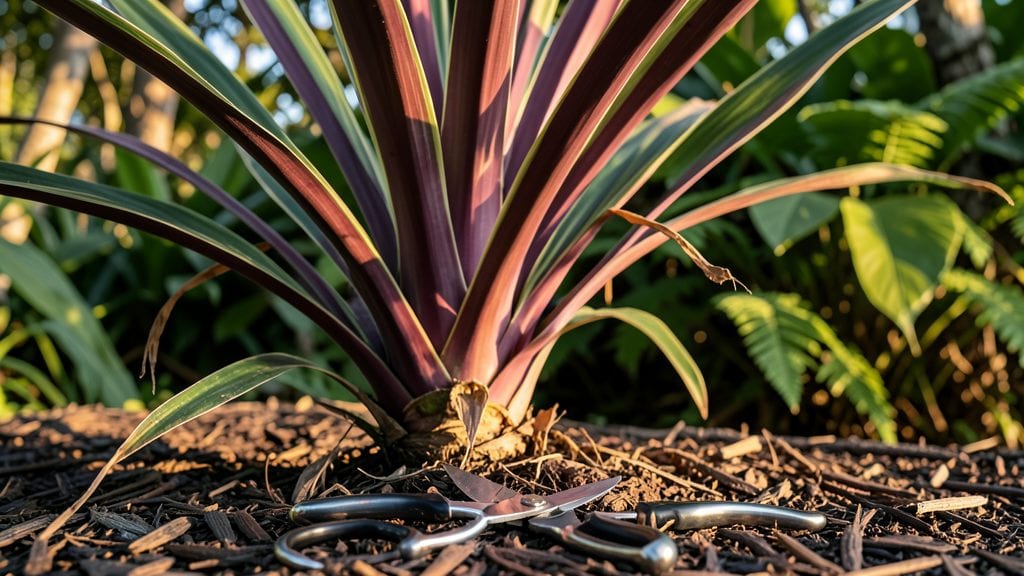
Pruning cordyline plants keeps their bold foliage vibrant and their growth compact—something I learned after my first overgrown specimen took over half my patio. ✨ The key isn’t just cutting back, but understanding when and how to trim for the best results, whether you’re dealing with leggy stems or faded leaves.
You’ll need sharp pruning shears or clean loppers, a bucket for clippings, and a clear day to work. Timing matters: prune in early spring to encourage new growth, or lightly trim dead leaves anytime.
The goal is to remove no more than a third of the plant at once—over-trimming stresses cordylines, while gentle cuts keep them lush.
After pruning, you’ll notice fresh, bright foliage emerging within weeks, and the plant will fill out more densely. The removed stems can even root in water for new plants! Just avoid cutting into the woody base, which won’t regrow. With the right approach, your cordyline stays a showstopper all year.
This works for both tropical and cold-hardy varieties, though zone-specific care adjusts timing slightly. Whether you’re shaping a single plant or maintaining a border, the same principles apply. Let’s get those shears ready!
📚 In This Guide
- What you need
- Instructions
- Tips and common mistakes
- Wrapping up and next steps
What you need
- ● Sharp pruning shears or bypass pruners – Choose sterilized, bypass-style shears (4–6" blade length) for clean cuts without crushing stems.
- ● Disinfectant (70% isopropyl alcohol or bleach solution) – Clean tools before and after pruning to prevent disease spread.
- ● Garden gloves – Opt for cut-resistant, breathable gloves (size medium/large) to protect hands from thorns and sap.
- ○ Pruning saw (optional) – A folding pruning saw (8–10" blade) for thicker stems (1" diameter or larger).
- ● Rag or paper towels – For wiping tools and hands clean.
- ● Handheld leaf blower or soft brush – Clears debris post-pruning for a neat, polished look.
- ● Sealing wax or pruning paste – Apply to large cuts to prevent sap oozing and pests.
- ● Compost bin or garden waste bag – For disposing of trimmings (avoid composting diseased foliage).
- ● Ladder or step stool – If pruning tall Cordylines (6+ feet).
- ● Check weather – Prune on a dry, overcast day (avoid midday sun to reduce stress on the plant).
- ● Gather inspiration – Sketch or take photos of your plant’s current shape and desired outcome.
- ● Water the plant 24 hours prior – Ensures it’s hydrated but not soggy for easier trimming.
- ● Clear the workspace – Remove nearby plants, mulch, or decorations to minimize mess.
Step-by-Step guide to pruning cordyline plants
Here's how to keep your cordylines vibrant and full with minimal effort.
✂️ Step 1: Assess Growth and Identify Pruning Zones
Start by examining your cordyline for signs of overgrowth or leggy stems. Look for areas where the plant has lost its compact shape—these are your pruning targets. I focus on stems that have grown too tall or lost their lower leaves, as these won’t regenerate. Healthy growth should have vibrant foliage along at least the top third of the stem.
Use clean, sharp pruning shears to make cuts just above a leaf node or a natural branch point. Avoid cutting into old, woody stems—these won’t regrow. If you’re unsure, wait until new growth appears before trimming. This step ensures your plant stays full and colorful without sacrificing its structure.
✂️ Step 2: Trim Leggy or Overgrown Stems
For stems that have stretched too tall, cut back to a point where you see healthy, compact growth. I usually trim about one-third of the total height to encourage bushier regrowth. Avoid cutting into bare, woody sections—these won’t sprout new leaves. If you’re unsure where to cut, imagine the plant’s natural shape and trim to restore balance.
After trimming, discard the cuttings or compost them—never leave them on the ground, as they can harbor pests or diseases. This keeps your cordyline looking neat while promoting fresh, vibrant growth. You’ll notice new shoots emerging within 4-6 weeks, signaling successful pruning.
🌿 Step 3: Encourage Fullness With Strategic Cuts
To fill out the plant’s shape, focus on cutting back stems that are growing outward or away from the center. This redirects energy toward the core, creating a denser, more balanced look. I like to make small cuts along the sides of the plant to encourage branching from lower nodes.
If your cordyline has lost its lower leaves, prune just above the first set of healthy leaves to stimulate new growth. Avoid over-trimming—too many cuts at once can stress the plant. Instead, space out pruning sessions over 2-3 weeks for gradual, stress-free regrowth.
💧 Step 4: Post-Pruning Care for Faster Recovery
After pruning, give your cordyline a deep watering to help it recover. The soil should be moist but not soggy—1-2 inches deep—to support root activity. I avoid fertilizing immediately, as fresh cuts need time to heal before absorbing nutrients. Wait 2-3 weeks before applying a balanced fertilizer to encourage new growth.
Place your cordyline in bright, indirect light for the first week after pruning. Direct sun can stress freshly cut stems, so a shaded spot helps them recover faster. You’ll see new leaves unfurling within 3-4 weeks, and the plant will regain its lush appearance.
⏰ Step 5: Maintain Year-Round Shape and Color
Cordylines benefit from light pruning every 4-6 weeks to keep them full and vibrant. Focus on trimming any stems that grow too long or lose their lower leaves. This prevents the plant from becoming top-heavy or sparse. I also remove any dead or yellowing leaves immediately—they drain energy from healthy growth.
In late winter, give your cordyline a light trim to shape it for spring. This removes any winter damage and encourages fresh growth as temperatures rise. With consistent care, your cordyline will stay colorful and compact year-round, making it a standout in any garden.
Tips & tricks for pruning cordyline plants
Keeping your cordylines looking their best takes a little strategy—here's what I've learned after years of perfecting the art of precision pruning.
The Right Tools Make All the Difference: Invest in a pair of bypass pruning shears—they make cleaner cuts than anvil-style shears, which can crush stems. I also keep a small pair of hand pruners for delicate trimming between larger cuts. Always sterilize your tools with rubbing alcohol before and after use to prevent spreading diseases between plants.
Timing is Everything for Recovery: The 4-6 week pruning schedule mentioned in Step 5 works perfectly because it gives your cordyline time to recover between sessions. In hot climates, you might need to prune slightly less frequently—every 6-8 weeks—since plants grow faster. Watch for new growth as your signal to prune again, rather than sticking rigidly to the timeline.
Strategic Cuts Create Fullness: When you're making those side cuts in Step 3 to encourage branching, aim for a 45-degree angle just above a leaf node. This exposes more surface area for new growth while protecting the plant from water pooling in the cut. I also like to make these cuts slightly off-center to create natural asymmetry that looks more organic than perfectly symmetrical trims.
Post-Pruning Care is Non-Negotiable: That 2-3 week wait before fertilizing in Step 4 is crucial—your plant is essentially healing from surgery. I've seen people rush to fertilize too soon, which can actually stress the plant further. Instead, focus on keeping the soil 1-2 inches deep moist and providing that bright, indirect light. You'll know you're on the right track when you see those new leaves unfurling within 3-4 weeks.
Pro Tips for Pruning Cordyline Plants
- Keeping your cordylines looking their best takes a little strategy—here's what I've learned after years of perfecting the art of precision pruning.
- The Right Tools Make All the Difference: Invest in a pair of bypass pruning shears—they make cleaner cuts than anvil-style shears, which can crush stems.
- Timing is Everything for Recovery: The 4-6 week pruning schedule mentioned in Step 5 works perfectly because it gives your cordyline time to recover between sessions.
Frequently asked questions
Got questions about keeping your Cordyline plants vibrant and healthy? Here are some of the most common concerns—and their answers—to help you prune like a pro!
When is the best time to prune Cordyline plants?
Prune Cordyline plants in early spring (before new growth starts) or late summer to encourage fresh foliage. Avoid heavy pruning in winter, as cold stress can slow recovery. Light trimming to remove dead leaves is safe year-round!
How do I prune a Cordyline for a bushier look?
To encourage bushiness, cut back 1/3 of the tallest stems just above a leaf node or side branch. This signals the plant to grow new shoots from the base. Avoid over-pruning—focus on selective trimming to maintain shape without stressing the plant.
Can I propagate Cordyline cuttings from pruning?
Use 4-6 inch cuttings with at least 2-3 leaf nodes. Dip in rooting hormone, plant in moist potting mix, and keep in bright, indirect light. Roots should form in 4-8 weeks. A great way to multiply your plants for free!
What should I do if my Cordyline leaves turn yellow after pruning?
Yellowing leaves post-pruning are usually normal as the plant adjusts. If it’s widespread or accompanied by brown edges, check for overwatering, poor drainage, or pests. Reduce watering slightly and ensure well-draining soil to help recovery.
Is it okay to prune Cordyline plants in winter?
Light maintenance (like removing dead leaves) is fine, but avoid heavy pruning in winter. Cold temperatures and shorter daylight slow healing. Wait until spring for major trims to give your plant the best chance to bounce back.
Wrapping up and next steps
Pruning your Cordyline plants is a rewarding way to keep them vibrant, healthy, and full of year-round color! By following the right techniques—whether it’s seasonal trimming, shaping, or reviving leggy growth—you’ll encourage lush foliage and even promote new blooms.
Remember, consistency and the right tools make all the difference. 🌿
Now that you’re armed with the know-how, grab those shears and give your Cordyline the care it deserves! For extra inspiration, explore creative pruning designs or share your progress with fellow plant lovers—your green thumb is about to shine even brighter. Happy trimming! ✂️🌟