Pruning
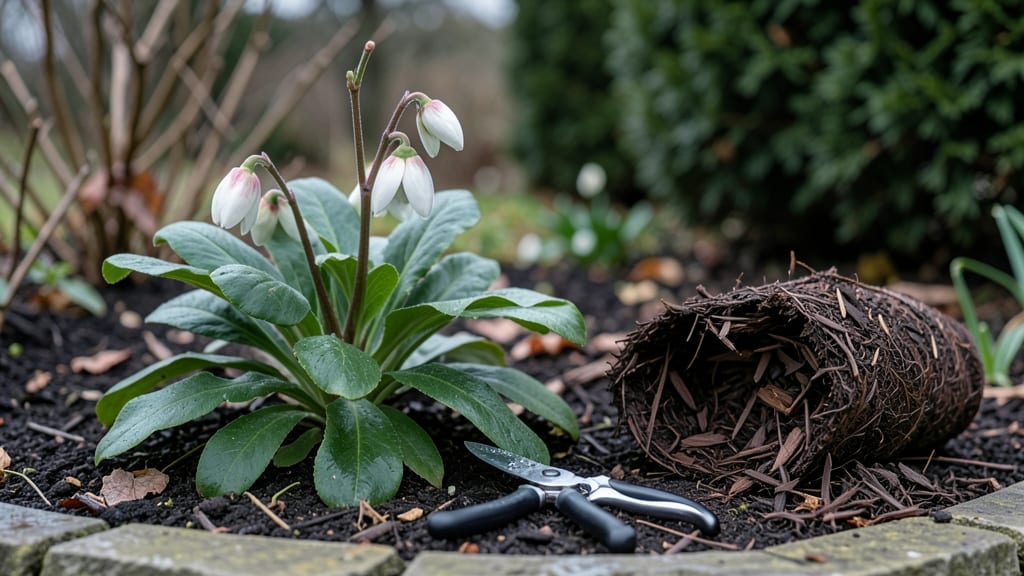
Pruning hellebore plants isn't as tricky as it sounds—just a few strategic cuts keep them blooming like clockwork. 🌿 I used to avoid pruning entirely, afraid I'd mess up their delicate flowers, but now I treat it like a quick spring cleanup that sets the stage for next year's show.
The key is timing: wait until after blooms fade in late spring or early summer, when the plant has already done its work for the season.
You only need sharp pruners and about 10 minutes of focused time. Cut back the old flower stems down to the base, but leave the healthy foliage untouched—this is what feeds the plant through winter.
The goal isn't to make them look perfect; it's to encourage new growth while keeping the plant's energy focused where it matters most. This simple step prevents disease buildup and makes next year's blooms even more abundant.
What you'll end up with is a hellebore that looks fuller, grows stronger, and produces those signature winter-to-spring blooms year after year. The plants stay compact, resist pests better, and put all their energy into new growth rather than maintaining old stems.
It's the kind of pruning that feels satisfyingly low-maintenance once you get the rhythm down.
Works for all hellebore varieties—whether you're growing the classic dark purple Lenten roses or the newer chartreuse 'Green Goblin' types. The same principles apply, so you can confidently tackle your entire collection with this one technique. Ready to give it a try?
📚 In This Guide
- What you need
- Instructions
- Tips and common mistakes
- Wrapping up and next steps
What you need
- ● Sharp bypass pruners – Must be clean and sterilized (1 pair, 4-6" blade length). Avoid dull tools—they crush stems instead of cleanly cutting!
- ● Garden gloves – Thick, cut-resistant (1 pair) to protect against thorns and sap.
- ● Disinfectant (70% isopropyl alcohol or bleach solution) – 1:9 bleach-to-water ratio for sterilizing tools between cuts.
- ○ Garden twine or plant ties – Optional but helpful for securing stems if heavy blooms are present.
- ● Compost bin or bag – For disposing of pruned debris (1-2 gallon-sized bags).
- ○ Watering can or hose – To hydrate plants post-pruning (optional but recommended).
- ● Hand lens or magnifying glass – For spotting hidden pests or diseased stems.
- ● Pruning saw – If dealing with thick, woody stems (rare in hellebores but useful for older plants).
- ● Fungicide spray – Copper-based or neem oil to prevent infections if cuts are made in damp conditions.
- ● Notebook & pen – To track pruning dates and plant responses for future reference.
Step-by-Step instructions for pruning hellebore plants
Here's the simple method I use to keep my hellebores thriving—no guesswork, just precise timing and technique.
✂️ Step 1: Remove Spent Blooms After Flowering
Once your hellebores finish blooming—usually in late spring—start deadheading by snipping off the faded flower stems with clean, sharp pruners. Cut just above the first set of healthy leaves or the next pair of buds. This prevents seed formation and redirects energy into next year's flowers.
I like to do this in stages if blooms fade unevenly. Watch for stems that look brown or papery—that's your cue they're done. Avoid cutting into the green foliage; you'll know you've gone too far if you see fresh leaves on the stem you're about to cut.
✂️ Step 2: Lightly Trim Foliage in Early Summer
Around June or July, when new growth appears, give your hellebores a light haircut. Use your pruners to trim any yellowed or damaged leaves at the base, cutting back to where healthy green growth begins. This improves airflow and reduces disease risk.
Don't overdo it—just remove what's clearly dead or unsightly. Hellebores are tough plants, and they'll bounce back even if you skip this step. The goal is to keep them looking tidy without stressing the plant. If you see any blackened spots on leaves, remove those immediately.
✂️ Step 3: Shape in Late Summer for Winter Prep
In August or early September, give your hellebores a final shape-up before winter. Trim any straggly stems or leaves that look tired, cutting back to where new growth emerges. This helps the plant focus its energy on root development for next spring.
This is also the time to divide clumps if they've become overcrowded. Simply dig up the plant, separate the sections, and replant the healthiest divisions. Water them well after replanting. You'll know you've done it right when the roots look white and firm, not mushy or dried out.
⏰ Step 4: Spring Cleanup Before New Growth
As soon as you see new shoots emerging in early spring, do a final tidy-up. Remove any remaining dead leaves or stems that didn't make it through winter. This makes room for fresh growth and keeps the plant looking its best.
Don't rush this step—wait until you're sure new growth is underway. If you cut too early, you might accidentally trim off next year's flower buds. Once you see those first little leaves, though, it's safe to clean up. A gentle shake of the plant often dislodges old debris without needing pruners.
Tips & tricks for perfect hellebore pruning
A few simple tricks will help you keep your hellebores looking their best all season long.
Timing is Everything: I can't stress this enough—pruning at the right times makes all the difference. In Step 1, don't wait until all blooms are completely dead; start deadheading when they begin to fade. This prevents seed formation and gives your plants more energy for next year's flowers. The key is to work in stages as blooms fade unevenly.
Tool Selection Matters: Always use clean, sharp pruners for all steps. Dull blades crush stems and can introduce disease. I like to clean my pruners with rubbing alcohol between plants to prevent spreading any potential pathogens. For Step 3, when dividing clumps, a sharp spade works best for clean cuts through the roots.
Visual Cues for Perfect Cuts: When deadheading in Step 1, look for stems that look brown or papery—that's your cue they're ready. For trimming in Step 2, cut back to where you see healthy green growth beginning. In Step 3, you'll know you've cut back enough when you see fresh leaves emerging from the base. This visual guide helps prevent over-pruning.
Dividing Strategy: When dividing clumps in Step 3, focus on separating the healthiest sections. Look for divisions with white, firm roots—not mushy or dried out. I usually divide every 3-4 years to keep my hellebores vigorous. After replanting, water thoroughly to help them establish in their new spots.
Pro Tips for Pruning Hellebore Plants
- A few simple tricks will help you keep your hellebores looking their best all season long.
- Timing is Everything: I can't stress this enough—pruning at the right times makes all the difference.
- Tool Selection Matters: Always use clean, sharp pruners for all steps.
Frequently asked questions
Got questions about keeping your hellebores thriving with the right pruning? You’re not alone—here are the most common queries (and straightforward answers!) to help you prune with confidence.
When is the best time to prune hellebores?
Prune hellebores after they finish blooming in late spring or early summer. This timing ensures you don’t accidentally cut off next year’s flower buds, which form on old stems. Avoid pruning in fall or winter, as the plant needs its foliage for winter protection.
Do I need to sterilize my pruners before trimming hellebores?
Sterilizing your pruners with rubbing alcohol or a 10% bleach solution prevents spreading diseases like Helleborus black spot. Wipe blades before and after pruning to keep your plants healthy. A quick 30-second soak in disinfectant does the trick!
What if my hellebore leaves turn yellow after pruning?
Yellowing leaves post-pruning are usually normal—especially if you cut back too much. Focus on removing only dead or damaged foliage. If yellowing persists, check for overwatering or nutrient deficiencies. A balanced fertilizer in early spring can revive them.
Can I skip pruning if my hellebores look fine?
You can, but deadheading spent blooms and tidying up old leaves will improve airflow and reduce pests. Pruning also encourages bushier growth. Think of it like a spa day for your plants—skipping it won’t kill them, but they’ll thank you for the TLC!
What’s the difference between pruning and deadheading hellebores?
Pruning
means cutting back entire stems (after blooming) to shape the plant or remove old foliage. Deadheading is just snipping off spent flower stems to redirect energy. Both are useful—prune annually, deadhead as needed to keep blooms coming!
Wrapping up and next steps
Pruning hellebore plants is all about timing, technique, and a little patience—and you’ve got the know-how now! 🌿 By deadheading spent blooms, thinning overcrowded foliage, and keeping an eye out for pests, you’ll ensure your hellebores stay thriving for years to come.
Remember, these resilient beauties reward consistency with vibrant blooms and lush growth.
Ready to put your skills to the test? Grab your pruners and head to the garden—your hellebores are waiting for their springtime glow-up! For extra inspiration, check out our seasonal care guide to keep your garden flourishing all year.