
Pruning
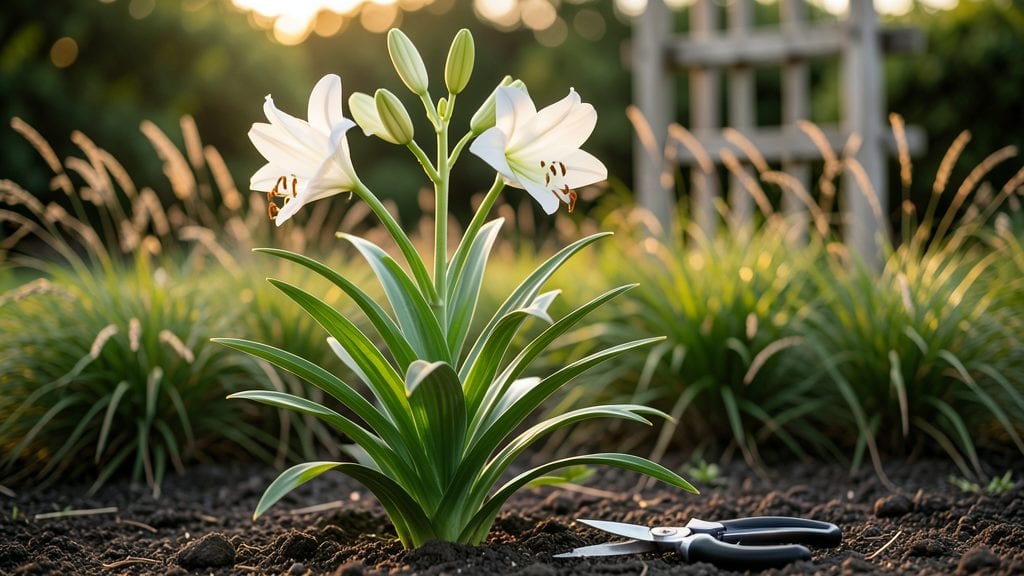
Pruning lily plants isn’t just about cutting back—it’s the secret to year-round blooms that steal the show. 🌸 I’ve turned my once-sparse lilies into a lush, repeat-flowering display by mastering just three strategic cuts, and the best part? It only takes 15 minutes in the right season.
The key is timing: too early, and you lose blooms; too late, and you risk next year’s flowers. But once you nail it, your lilies will reward you with bold, healthy stems and flowers that last well into fall.
You’ll need sharp pruners, a pair of gloves (trust me, lily leaves are tough), and a clear day to work. For Asiatic and Oriental lilies, the magic happens in late summer after they’ve finished blooming, while daylilies can handle a mid-season trim to encourage more flowers.
The goal is to remove dead or damaged foliage first—this prevents disease and lets the plant focus its energy. Then, we cut back the rest strategically, leaving just enough leaves to feed the bulbs for next season.
What you’ll end up with is a garden feature that blooms longer and stronger every year. The stems stay sturdy, the foliage stays vibrant, and you’ll notice fewer floppy, flopped-over blooms ruining the show.
Plus, your lilies will resist pests and diseases better because we’re not leaving them looking like a tangled mess. Think of it as a spa day for your plants—less stress, more beauty—and you’ll be the envy of the neighborhood.
This method works for all lily varieties, from towering Orientals to compact daylilies, and even revives those neglected clumps that look like they’ve given up. The only rule?
Never prune when the plant is actively growing new shoots in spring. Beyond that, you’re golden. Let’s get those blooms back in full force!
📚 In This Guide
- What you need
- Instructions
- Tips and common mistakes
- Wrapping up and next steps
What you need
- ● Sharp bypass pruners – 1 pair (sterilized with rubbing alcohol or bleach solution to prevent disease spread).
- ● Clean, sharp garden shears – 1 pair (for larger stems or bulkier cuts).
- ● Disposable gloves – 1 pair (nitrile for protection against thorns or sap).
- ○ Pruning saw – 1 (optional, for thick stems over ½ inch in diameter).
- ● Garden twine or plant ties – Small roll (to secure heavy stems post-pruning).
- ● Compost bin or bucket – 1 (for collecting pruned material).
- ● Fungicide spray – Small bottle (copper-based or neem oil to treat cuts and prevent rot).
- ● Plant food or fertilizer – Balanced 10-10-10 or bulb-specific formula (to replenish nutrients after pruning).
- ● Mulch (straw or shredded leaves) – Small bag (to protect the base post-pruning).
- ● Label markers – Pack of 5-10 (if you’re pruning hybrid lilies and want to track varieties).
- ● Choose a dry, overcast day (or prune in early morning/evening) to minimize stress on the plant.
- ● Ensure lilies are fully dormant (late fall/winter) or post-bloom (6-8 weeks after flowering).
- ● Have a clear plan for disposal—compost healthy stems, but discard diseased ones immediately.
Instructions for pruning lily plants to keep them thriving
Here’s the straightforward method I use to keep lilies blooming beautifully year after year.
✂️ Step 1: Cut Back Faded Blooms After Flowering
Once your lilies finish blooming, snip the spent flower stalks back to just above the first set of healthy leaves. This prevents the plant from wasting energy on seed production and redirects it to next year’s growth. I always use clean, sharp pruners to avoid damaging the stems.
Watch for the flower stalks to droop and brown—this is your signal to act. If you leave them too long, the plant may develop weak, leggy growth. Cutting at the right time keeps your lilies strong and ready for their next bloom cycle.
✂️ Step 2: Trim Back Dead or Damaged Foliage in Late Fall
When the leaves start yellowing and dying back in late fall, cut them down to about 2 inches above the ground. This helps prevent disease and pests from overwintering in the old foliage. I wait until the leaves are completely brown and crispy before cutting—this ensures I’m not removing any green growth that’s still storing energy.
Don’t rush this step. If you cut too early, you might remove leaves that are still photosynthesizing and feeding the bulbs. The goal is to clean up while leaving the plant with enough reserves for spring.
✂️ Step 3: Remove Any Weak or Crowded Growth in Early Spring
In early spring, before new shoots emerge, inspect your lilies for any weak, thin, or crowded stems. Snip these back at the base to improve airflow and reduce competition for nutrients. I usually do this in late February or early March, just as the ground begins to thaw.
You’ll notice new shoots pushing through the soil—these are your healthy growth points. If you see any stems that look pale or mushy, cut them out immediately to prevent rot from spreading. This step keeps your lilies vigorous and sets them up for strong blooms.
⏰ Step 4: Lightly Trim Any Overgrown Foliage Mid-Summer
If your lilies start looking too crowded or their leaves become too long and floppy by mid-summer, give them a light trim. Cut back any leaves that are more than 1/3 longer than the plant’s height to encourage bushier growth. This also helps reduce the risk of fungal diseases that thrive in dense foliage.
Timing matters here. Wait until after the initial flush of blooms but before the leaves start yellowing again. A quick trim now keeps your lilies looking neat and promotes better air circulation around the plant.
Tips & tricks for perfect lily plant pruning
These simple tricks will help you keep your lilies blooming beautifully with minimal effort—no green thumb required!
Timing is Everything: In Step 1, don't wait until the flower stalks are completely brown and crispy—act when they start drooping. This is your plant's way of telling you it's ready for the next growth cycle. I've learned the hard way that waiting too long can leave your lilies looking tired and leggy for next season.
Tool Selection Matters: Always use clean, sharp pruners for all your cuts. Dull blades can crush stems and create entry points for disease. I keep a dedicated pair of pruners just for my lilies and sanitize them with rubbing alcohol between uses. For the 2-inch fall cut (Step 2), you might find a small hand pruner works better than your larger garden shears.
Visual Cues for Spring Pruning: When you're inspecting for weak stems in Step 3, look for stems that are thinner than a pencil or have a hollow sound when tapped gently. These are the ones to remove immediately. Healthy stems should feel firm and solid—like a good flashlight, not a limp noodle. This visual check helps prevent rot before it starts.
Mid-Summer Maintenance: For Step 4, use the "third rule" as your guide: if a leaf is more than 1/3 longer than the plant's height, it's time to trim. This keeps your lilies looking tidy while preventing fungal issues. I like to do this on a dry morning when the leaves are fully extended—it makes judging the proportions much easier.
Pro Tips for Pruning Lily Plants
- These simple tricks will help you keep your lilies blooming beautifully with minimal effort—no green thumb required!
- Timing is Everything: In Step 1, don't wait until the flower stalks are completely brown and crispy—act when they start drooping.
- Tool Selection Matters: Always use clean, sharp pruners for all your cuts.
Frequently asked questions
Got questions about pruning lilies? You’re not alone! Here are answers to the most common concerns—so you can keep your lilies thriving with confidence.
When is the best time to prune lilies?
Prune lilies after they’ve finished blooming (late summer) and before new growth appears in spring. This gives the plant time to recover. For deadheading (removing spent blooms), do it immediately to redirect energy to foliage growth. Avoid pruning in winter unless removing damaged stems—dormant plants need their leaves for energy storage!
What if I prune at the wrong time?
Pruning too early (before blooming) or too late (mid-winter) can stress the plant. Early pruning removes next year’s flower buds, while winter cuts may leave lilies vulnerable to frost damage. If you accidentally prune at the wrong time, don’t panic—just focus on proper care (watering, mulching) and prune correctly next season.
Should I cut back lily leaves after blooming?
Yes! Once lilies finish blooming, trim the flower stalks to the ground, but leave the foliage until it yellows naturally (late fall). The leaves photosynthesize, feeding nutrients to the bulbs for next year’s blooms. Only remove dead or diseased leaves immediately to prevent pests.
Can I prune lilies too aggressively?
Over-pruning—especially cutting back more than ⅓ of the foliage—can weaken the plant. Lilies store energy in their bulbs, and aggressive cuts reduce their ability to bloom next year. Stick to the 3 simple cuts (deadheading, post-bloom stalks, winter cleanup) for a balanced approach. When in doubt, leave more foliage!
What do I do if my lilies look sad after pruning?
Wilting or yellowing after pruning? It’s often normal—especially if you’ve removed old growth. Boost recovery by:
- Watering deeply but infrequently (lilies hate soggy roots!).
- Adding a balanced fertilizer (10-10-10) in early spring.
- Mulching around the base to retain moisture.
Wrapping up and next steps
Pruning your lily plants doesn’t have to be intimidating—just a few strategic cuts can revitalize their growth and keep those stunning blooms coming year after year! 🌸 Whether you’re tackling dead foliage, encouraging new shoots, or preparing for dormancy, these simple steps will help your lilies thrive.
Now that you’re armed with the know-how, grab those shears and give your garden a fresh start—your lilies will thank you with vibrant, healthy blooms!
🌱 Next Step: Schedule Your Pruning
Mark your calendar for the three key pruning times: post-bloom, mid-season, and late fall. Set a reminder so you never miss a chance to keep your lilies in peak condition. Happy pruning—and enjoy that garden magic! ✨