Pruning
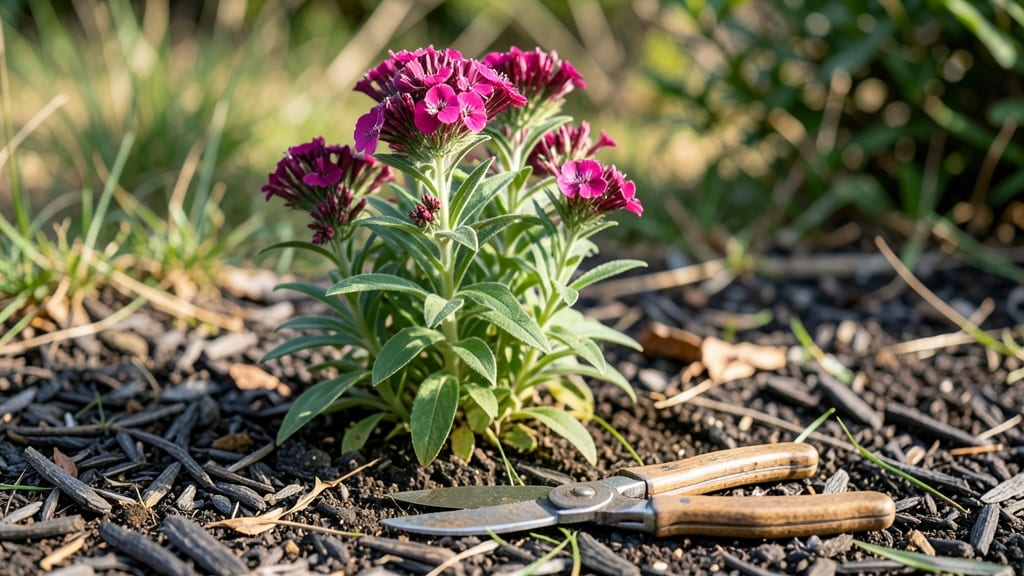
Pruning phlox plants is the secret to turning a single summer flush of blooms into a nonstop floral show from early summer through fall. ✨ I’ve watched my phlox go from a sad, leggy mess to a fragrant, bushy powerhouse just by following a few key cuts at the right time—and I’ll show you exactly how to do it without cutting off next year’s flowers.
The trick lies in knowing your phlox type: woody phlox (like garden phlox) needs a late-winter or early-spring trim to encourage new growth, while herbaceous phlox (like creeping phlox) benefits from a light cleanup after blooming.
Both types hate heavy pruning in fall, which can leave them vulnerable to frost damage. Grab your shears and a pair of gloves—this won’t take more than 15 minutes and will change how your phlox performs for years.
After pruning, your plants will reward you with denser foliage, stronger stems, and blooms that last weeks longer than unpruned neighbors. The key is cutting back one-third of the previous year’s growth—no more, no less—and always making clean cuts just above a leaf node.
You’ll notice new shoots emerging within 2-3 weeks, and by midsummer, your phlox will be the star of the garden bed.
This method works for border phlox, creeping phlox, and even wild phlox—just adjust the timing based on your climate. Whether you’re dealing with a single plant or a full garden bed, these seasonal trims will keep your phlox thriving. Let’s get those shears sharp and those stems trimmed!
📚 In This Guide
- What you need
- Instructions
- Tips and common mistakes
- Wrapping up and next steps
What you need
- ● Bypass pruners – Sharp, clean pruners (avoid anvil types to prevent crushing stems). Choose 4- to 6-inch handles for precision.
- ● Hand pruners or hedge shears – For larger phlox clumps or thick stems (opt for ergonomic grips to reduce hand fatigue).
- ● Gloves – Wear gardening gloves (nitrile-coated for grip or leather for durability) to protect against thorns and dirt.
- ● Disinfectant (70% isopropyl alcohol or bleach solution) – Clean tools between cuts to prevent disease spread (1 part bleach to 9 parts water).
- ● Knee pad or stool – For comfort when working with low-growing phlox varieties.
- ● Trash bags or compost bin – For disposing of pruned debris (avoid composting diseased foliage).
- ● Pruning saw – Only needed for very thick, woody stems (rare in most phlox).
- ● Plant food or mulch – Post-pruning fertilizer (balanced 10-10-10) or mulch to replenish nutrients.
- ● Check the weather forecast—prune on a dry, overcast day to avoid stressing the plant.
- ● Identify dead or diseased stems first (they’ll be brown, mushy, or covered in spots).
- ● Have a clear goal: Are you pruning for shape, blooms, or winter prep?
Step-by-step guide for pruning phlox plants
Here's the straightforward method I use to keep phlox blooming all season long.
✂️ Step 1: Prune After First Spring Blooms
Wait until your phlox finishes its first flush of flowers in early summer—usually 6-8 weeks after spring planting. This is the moment that matters: cutting back stems now encourages the second, often more abundant bloom cycle. Use clean, sharp pruners to cut stems back to 4-6 inches above ground level.
I know it seems drastic, but trust me—this heavy trim prevents leggy growth and redirects energy into new shoots. Remove any dead or damaged stems first, then cut the rest uniformly. If your phlox has woody stems, trim just above a healthy leaf node where new growth can emerge.
✂️ Step 2: Light Trim After Second Bloom
After the second bloom cycle—typically in late summer—give your phlox a lighter trim. Cut back spent flower stalks to 2-3 inches above the foliage, but leave the lower leaves intact. This maintains plant health without sacrificing next year's blooms.
Here's the thing—phlox blooms on new wood, so aggressive late-season cuts reduce next year's flowers. I always remove only the dead flowers and stems, leaving the green growth to photosynthesize until frost. If you see any stems turning brown or crispy, snip those off immediately to prevent disease.
✂️ Step 3: Clean Up in Fall and Early Spring
In late fall, after the first frost blackens the foliage, cut everything back to 1-2 inches above ground level. This prevents pests and diseases from overwintering in dead stems. I wait until spring to do the final cleanup—just before new growth appears—when I trim any remaining dead growth and rake away debris.
Don't skip this step. Dead foliage can harbor slugs, aphids, and fungal spores that will attack next year's plants. I always sterilize my pruners with rubbing alcohol between cuts to prevent spreading any hidden pathogens. In early spring, I do one final check for any lingering dead stems before the new growth begins.
✂️ Step 4: Maintain Throughout the Growing Season
During the growing season, stay vigilant about deadheading—removing spent blooms as they appear. Pinch off individual flowers with your fingers or use small pruners to cut just above the next set of leaves. This encourages continuous blooming and keeps your phlox looking tidy.
Watch for leggy stems reaching outward—these often indicate your plants need more light or water. If you see stems growing too far from the center, trim them back to half their length to promote bushier growth. I like to do this every 2-3 weeks during peak bloom season to maintain shape and encourage new flowers.
Tips & tricks for pruning phlox plants
These seasonal pruning secrets will transform your phlox into a blooming powerhouse—no more sparse flowers or leggy stems!
Timing is Everything: The 6-8 week window after spring planting for your first heavy trim is critical. I've learned this the hard way—pruning too early means you cut off potential blooms, while waiting too long lets the plant become woody. Mark your calendar for early summer when those first flowers fade completely. This single step creates that second, often more abundant bloom cycle everyone raves about.
Tool Prep Prevents Problems: Sterilize your pruners with rubbing alcohol before AND after each use—especially when working with diseased stems. I keep a small bottle of 70% isopropyl alcohol in my gardening toolkit. Sharp, clean tools make precise cuts that heal faster and reduce the risk of introducing pathogens to your healthy plants. Don't skip this step—it's the difference between thriving phlox and plants struggling with fungal infections.
Visual Cues for Perfect Cuts: When trimming to 4-6 inches after the first bloom, look for the next set of healthy leaves below the flower stalks. Cut just above that leaf node where new growth emerges. For the lighter late-summer trim to 2-3 inches, aim for the point where the stem starts to look crispy or brown—this is where new shoots will sprout. I always do a quick visual scan before cutting to ensure I'm maintaining that lush, bushy shape.
Seasonal Strategy: The 1-2 inch fall cleanup is your insurance policy against winter pests. I find it helpful to think of this as "the reset button" for your phlox. After the first frost turns foliage black, remove everything down to those last few inches. This might seem extreme, but it's what prevents those pesky slugs and aphids from hibernating in your garden. In spring, that final check for lingering dead stems gives your plants a fresh start—like giving them a spa day before the growing season kicks in.
Pro Tips for Pruning Phlox Plants
- These seasonal pruning secrets will transform your phlox into a blooming powerhouse—no more sparse flowers or leggy stems!
- Timing is Everything: The 6-8 week window after spring planting for your first heavy trim is critical.
- Tool Prep Prevents Problems: Sterilize your pruners with rubbing alcohol before AND after each use—especially when working with diseased stems.
Frequently asked questions
Got questions about pruning your phlox? You’re not alone!
Here are answers to the most common concerns—from timing to troubleshooting—so you can keep your phlox thriving and blooming like a pro.
When is the best time to prune phlox?
Prune after the first flush of blooms (late spring/early summer) and again in early fall to remove dead or woody stems. Avoid pruning in late summer—this can cut off next year’s flower buds! For panicle phlox, wait until after frost to trim back stems to 2–3 inches above the ground.
How much should I cut back my phlox?
For garden phlox, trim back by one-third after blooming to encourage a second flush. For panicle phlox, cut stems to 2–3 inches above the base in fall. Avoid shearing too close to the ground—leave a few inches to protect the crown from cold or rot.
What if I prune at the wrong time?
Pruning too late (after mid-summer) can kill next year’s buds for garden phlox. If you’ve already cut back too much, don’t panic! Just stop pruning until spring and focus on watering deeply and fertilizing lightly to help recovery. Panicle phlox is more forgiving—it blooms on new growth.
Can I prune phlox in containers differently?
Yes! Container-grown phlox follows the same rules, but size matters. If space is tight, trim stems to 6–8 inches after blooming to keep the plant compact. Deadhead regularly (pinch spent blooms) to prolong flowers. In fall, prune back by half to prevent flopping in pots.
Should I prune phlox if it looks unhealthy?
If stems are blackened, mushy, or covered in mold, prune them immediately to prevent disease spread. Sterilize your shears with rubbing alcohol between cuts. Thin out crowded stems too—this improves airflow and reduces humidity (which invites pests).
What’s the difference between pruning garden phlox vs. panicle phlox?
| Garden Phlox | Panicle Phlox |
|---|---|
| Prune after first bloom (late spring) and again in fall. | Prune only in early fall (after frost). |
| Cut back by 1/3 to encourage reblooming. | Cut stems to 2–3 inches above ground. |
| Blooms on old wood—prune carefully! | Blooms on new growth—harder pruning is fine. |
Wrapping up and next steps
Pruning your phlox plants doesn’t have to be intimidating—with the right timing, tools, and techniques, you’ll unlock a season-long parade of vibrant blooms. 🌸 Whether you’re trimming back leggy stems in spring, shaping after summer blooms, or prepping for winter, consistency is key to keeping your phlox thriving.
Now that you’re armed with the know-how, grab those shears and give your garden the TLC it deserves—your future blooms will thank you!
Next step: Mark your calendar for seasonal pruning reminders and watch your phlox transform into a showstopper! 🌿