Pruning
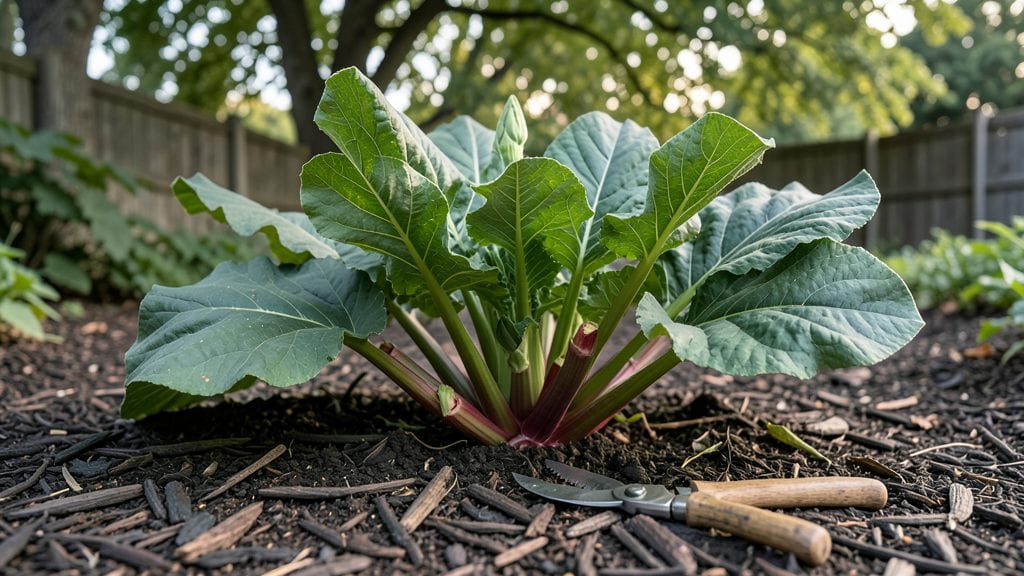
Pruning rhubarb plants in early spring is the secret to those thick, juicy stalks you’ve been dreaming of. 🌱 I used to cut back too late, and my plants would send up skinny, bitter stalks that barely filled a pie crust.
Now I time it right—just as new growth peeks through the soil—and the difference is shocking.
The right tools make this job easy: sharp pruners for clean cuts and a small shovel for any stubborn roots. You’ll want to remove last year’s stalks at the base, but leave the crown intact—this is where next year’s harvest begins.
The key is patience: don’t rush the first cut, and never take more than a third of the plant at once.
By mid-summer, you’ll see thick, vibrant stalks emerging from the center, each one packed with sweet-tart flavor. Proper pruning keeps the plant focused on growth, not seed production, so you’ll get harvests for years instead of just a few seasons.
The best part? Your neighbors will beg for slips of your plants.
Works in zones 3-8, whether you’re growing in full sun or partial shade. Here’s how to do it without a single mistake—promise.
📚 In This Guide
- What you need
- Instructions
- Tips and common mistakes
- Wrapping up and next steps
What you need
- ● Pruning shears or sharp garden scissors: Choose bypass pruners (clean cuts) or anvil pruners (heavier-duty). Size: 5–7 inches for ease of use.
- ● Gloves: Heavy-duty gardening gloves (cut-resistant if handling thorny stalks). Tip: Nitrile-coated gloves grip better!
- ○ Disinfectant (optional but recommended): 70% isopropyl alcohol or a 10% bleach solution (1 part bleach to 9 parts water) to sterilize tools between cuts.
- ● Compost bin or bag: For disposing of pruned stalks (avoid composting if diseased).
- ● Watering can or hose: To rehydrate plants post-pruning (especially in dry climates).
- ● Timing: Prune in early spring (before stalks emerge) or late fall (after harvest). Avoid pruning during dormancy or active growth.
- ● Weather: Choose a cool, overcast day (or early morning) to reduce stress on plants.
- ● Plant age: Wait until rhubarb is 2–3 years old before heavy pruning to avoid stunting growth.
- ● Hand trowel: For clearing debris around the base.
- ● Label markers: If you’re pruning multiple varieties in one garden.
- ● Plant food (balanced fertilizer): Apply post-pruning for a nutrient boost (e.g., 10-10-10 NPK ratio).
Step-by-Step guide to pruning rhubarb plants
Here’s how to keep your rhubarb productive and healthy through every season.
✂️ Step 1: Prune After Harvesting in Late Spring
Once you’ve harvested the stalks in late spring, cut them down to just above the ground level. This removes spent growth and redirects energy into next year’s stalks. I always use clean, sharp pruners to avoid damaging the crown—dull blades tear tissue and invite rot.
Wait until after the first hard frost to prune the remaining foliage. This prevents disease from lingering in old leaves while letting the plant store energy for dormancy. You’ll see fresh, green regrowth in spring if you time this right.
✂️ Step 2: Remove Dead or Diseased Leaves in Early Fall
Inspect the plant in early fall and snip off any yellowed, brown, or moldy leaves with pruners. These can harbor pests or fungal spores that overwinter and infect next year’s growth. I focus on the outer leaves first—they’re most likely to be damaged or diseased.
Don’t cut into the crown itself. Aim for clean cuts about 1 inch above the base of the leaf stem. This keeps the plant’s energy reserves intact while removing debris. A quick shake over a trash bag catches fallen leaves before they spread spores.
✂️ Step 3: Thin Crowded Crowns Every 3-4 Years
Rhubarb crowns multiply over time, leading to smaller stalks. In early spring, dig up the entire plant and separate the crowns with a sharp knife. Keep only the 3-4 largest, healthiest crowns—the rest can be replanted or shared. This rejuvenates growth and prevents overcrowding.
Replant the selected crowns at the same depth they were growing, spacing them 3 feet apart. Water deeply after replanting to help roots establish. You’ll notice bigger, more productive stalks within a season—this is the secret to long-term rhubarb success.
✂️ Step 4: Clean Up Debris in Late Winter
Before new growth appears in late winter, rake away all dead leaves and stems from around the plant. This removes hiding spots for pests like slugs and prevents fungal buildup. I use a stiff broom to sweep debris into a pile for composting—just avoid composting diseased material.
Apply a 2-inch layer of mulch (like straw or wood chips) around the base to insulate the crown over winter. This protects against temperature swings and keeps the soil moist. By spring, your rhubarb will be ready for another productive season.
Tips & tricks for perfect rhubarb pruning
Here's what nobody tells you about getting the most out of your rhubarb harvest—these tricks will keep your plants thriving for years.
Tool Selection Matters: Invest in a pair of bypass pruners with sharp, clean blades—dull tools crush stems instead of cutting cleanly. I sterilize my pruners with rubbing alcohol between cuts to prevent spreading disease from old leaves to fresh growth. A small pruning saw comes in handy for thicker stems that resist clean snipping.
Timing is Everything: The first hard frost is your cue for Step 1's second part—never prune leaves before frost. Cold weather signals the plant to shift energy to root storage. In Step 3, time your crown thinning for early spring when new shoots are just emerging—you'll see fresh growth within days of replanting the healthiest crowns.
Crown Care Secrets: When thinning crowns in Step 3, look for crowns with multiple healthy buds at the base—these will produce the most stalks. Discard any crowns showing signs of rot or pest damage. I always mark my replanting spots with small stakes to remember where I've spaced the 3 feet apart for optimal growth.
Winter Protection: That 2-inch mulch layer in Step 4 works wonders, but don't skip the insulation check in late winter. Poke through the mulch to ensure it hasn't compacted—fluffy mulch protects better than compressed layers. For extra cold climates, consider adding a lightweight row cover over the mulch during extreme freezes.
Pro Tips for Pruning Rhubarb Plants
- Here's what nobody tells you about getting the most out of your rhubarb harvest—these tricks will keep your plants thriving for years.
- Tool Selection Matters: Invest in a pair of bypass pruners with sharp, clean blades—dull tools crush stems instead of cutting cleanly.
- Timing is Everything: The first hard frost is your cue for Step 1's second part—never prune leaves before frost.
Frequently asked questions
Got questions about pruning rhubarb? You’re not alone! Here are answers to the most common concerns—from timing to troubleshooting—to keep your plants thriving.
When is the best time to prune rhubarb?
Prune rhubarb after harvest, typically in late spring or early summer (May–June in most climates). Avoid cutting back in fall or winter, as the plant needs energy to store nutrients for next year’s growth. Focus on removing spent stalks and leaves to redirect energy to the crown.
How often should I prune rhubarb plants?
Prune rhubarb once per season—right after harvest—to maintain health and encourage new growth. Over-pruning (e.g., cutting too aggressively in fall) can stress the plant. If you harvest stalks regularly, light trims between harvests help too, but avoid removing more than ⅓ of the foliage at a time.
What if I prune at the wrong time?
Pruning too early (before harvest) or too late (fall/winter) can weaken the plant. Early pruning removes leaves needed for photosynthesis, while late cuts expose the crown to cold damage. If you’ve already made a mistake, focus on not cutting back further—just remove dead or diseased leaves immediately.
Can I prune rhubarb in fall?
No—never prune rhubarb in fall! The plant relies on its leaves to store energy for winter. Cutting back too early can kill the crown. Instead, leave stalks and leaves intact until spring. If you must clean up, pull weeds around the base but avoid trimming the plant itself.
What if my rhubarb plant looks sad after pruning?
Don’t panic! A slightly wilted look post-pruning is normal as the plant adjusts. Ensure it gets 1–2 inches of water weekly and mulch around the base to retain moisture. If yellowing persists, check for pests (like aphids) or overcrowding. Healthy rhubarb bounces back with proper care!
Pro Tip:
Use sterilized shears (rubbing alcohol wipe) to prune—this prevents spreading disease between cuts. And always leave at least 3–4 healthy leaves per plant to keep photosynthesis flowing!
Wrapping up and next steps
Pruning rhubarb isn’t just about tidying up—it’s your secret weapon for bigger, sweeter stalks and a thriving plant! 🌱 By mastering the when (early spring and post-harvest) and how (clean cuts, dead stalks, and crown care), you’ll reward yourself with years of harvests.
Remember, patience and precision pay off—your rhubarb will thank you with robust growth and fewer pests.
Ready to take action? Grab your pruners and schedule your first trim this spring! Start small, observe your plant’s response, and soon you’ll be a rhubarb-pruning pro. Happy gardening! 🌿