
Pruning
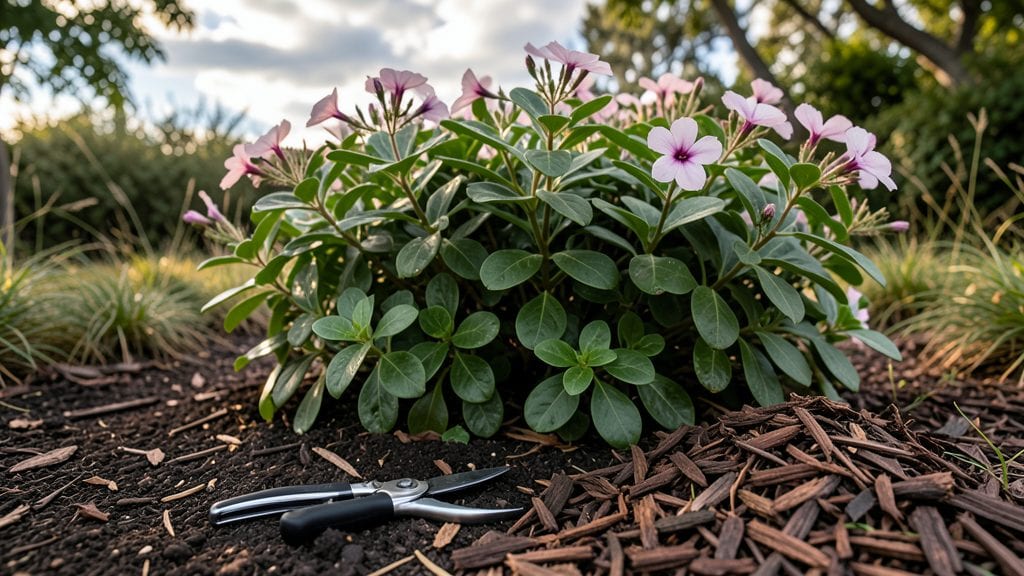
Pruning vinca plants keeps them blooming like clockwork all season long. 🌿 I’ve learned that skipping this step means leggy stems and fewer flowers—so I prune mine three times a year, and the difference is night and day.
The key is timing: early spring, mid-summer, and a light trim in fall. Each cut encourages fresh growth and more blossoms, turning your vinca from a sad shrub into a flowering powerhouse.
You’ll need just a few tools: sharp pruning shears, gloves, and a clear day to see what you’re cutting. Avoid dull tools—they tear stems instead of making clean cuts. Focus on cutting back by about one-third each time, always just above a leaf node or set of leaves.
This simple habit prevents woody stems and keeps your vinca compact and lush.
After pruning, your vinca will reward you with bold, vibrant blooms that last for months. The plants stay fuller, grow faster, and resist pests better. Just avoid cutting into the thick, woody stems—they won’t regrow.
Instead, trim just the green, flexible growth. You’ll see new shoots in days, and the flowers will return stronger than ever.
This method works for both vinca varieties—whether you’re growing the classic purple Catharanthus roseus or the newer white or pink types. The same rules apply: three strategic trims, clean cuts, and patience. Your vinca will thank you with nonstop color from spring until frost. Ready to give it a try?
📚 In This Guide
- What you need
- Instructions
- Tips and common mistakes
- Wrapping up and next steps
What you need
- ● Pruning shears: Bypass pruners (sharp, 5–7 inch blades) for clean cuts. Dull blades crush stems—avoid this!
- ● Hand pruners: Smaller, 4–5 inch blades for delicate trims (great for tight spots).
- ● Garden gloves: Heavy-duty, cut-resistant (nitrile-coated) to protect hands from thorns and sap.
- ● Disinfectant: 70% isopropyl alcohol or a 10% bleach solution (1 part bleach to 9 parts water) to sterilize tools between cuts.
- ● Rake or small broom: For clearing fallen debris after pruning.
- ● Watering can or hose: With a gentle spray nozzle to hydrate plants post-prune.
- ● Trash bag or bucket: For collecting clippings (compost them later!).
- ● Loppers: For thicker stems (if your Vinca has woody growth).
- ● Hedge shears: For boxwood-style shaping (if pruning in formal designs).
- ● Plant food: Balanced fertilizer (10-10-10) to give your Vinca a post-prune boost.
- ● Mulch: Shredded bark or compost to retain moisture and protect roots.
- ● Safety glasses: If pruning near dusty or thorny areas.
Instructions for pruning vinca plants
Here's how to keep your vinca blooming nonstop with just three simple trims.
✂️ Step 1: First Trim After Spring Blooms Begin
Wait until you see 10-15% of the flowers open—usually in early spring—and then cut back one-third of the plant's height. I use clean, sharp pruners to make cuts just above a set of leaves or a leaf node. This encourages bushier growth and prevents leggy stems from forming later.
Remove any dead or yellowed foliage first—it's a good sign the plant's ready for a haircut. Focus on shaping the plant rather than just removing flowers. Vinca responds well to a rounded shape, so aim for a slightly domed silhouette. After trimming, water deeply to help the plant recover and support new growth.
✂️ Step 2: Mid-Season Trim for Continuous Blooms
About 6-8 weeks after the first trim, when you notice new growth but before the plant gets too leggy, do a second light trim. This time, cut back only one-quarter of the plant's height, focusing on the longest stems. You'll see where the plant needs attention—those stems that stretch toward the sun or grow too tall.
Remove spent blooms as you go, but don't overdo it. Vinca blooms continuously, so you don't need to strip every flower. Just focus on cutting back the tallest stems to encourage a fuller, bushier plant. After this trim, you'll notice new buds forming within 2-3 weeks, signaling the plant is thriving.
✂️ Step 3: Late-Season Trim to Prepare for Winter
In late summer or early fall, when the blooming slows down, give your vinca a final trim. Cut back one-third of the plant's height again, but this time, focus on cleaning up the entire plant. Remove any dead, diseased, or weak stems first. Then, shape the plant to remove any overgrowth or unruly branches.
This final trim helps the plant store energy for next year. After trimming, reduce watering slightly but keep the soil moist. Vinca is hardy, but a little extra care now means a stronger, more vibrant plant come spring. You'll see fresh new growth starting in early spring, ready for another round of blooms.
🌿 Step 4: Year-Round Maintenance Between Trims
Between the three main trims, keep an eye out for any stems that grow too long or leggy. Snip them back as needed to maintain the plant's shape. I like to do this every 4-6 weeks—just a little maintenance to keep the vinca looking its best.
Remove spent flowers regularly to encourage more blooms, but don't over-prune. Vinca is forgiving, so even if you miss a trim, it'll bounce back. Just keep the plant healthy with regular watering and occasional fertilizer, and you'll have year-round color without much effort.
Tips & tricks for perfect vinca pruning
These strategic tips will help you keep your vinca thriving and blooming beautifully year after year.
The Right Time Factor: Timing your first trim is everything. Wait until you see 10-15% of flowers open—this signals the plant has recovered from winter and is ready for its first haircut. I've learned the hard way that trimming too early can shock the plant and delay blooming. The key is patience—wait for those first few flowers to open before reaching for your pruners.
Cutting Technique: Always make clean cuts just above a leaf node or set of leaves when trimming vinca. This is where new growth emerges, so precise cuts encourage bushier, fuller plants. I use sharp pruners and make cuts at a 45-degree angle to prevent water from pooling on the cut surface, which can lead to rot. Think of it as giving your plant a neat little haircut rather than a rough chop.
Shape Matters: Vinca responds beautifully to shaping, so don't be afraid to get creative with your cuts. Aim for a slightly domed silhouette rather than a flat-topped look. This shape allows sunlight to reach all parts of the plant, encouraging even growth and more blooms. After your first trim, step back occasionally to check the shape—you'll notice how the plant fills out more beautifully when properly shaped.
Seasonal Care: The late-season trim is crucial for winter preparation. After cutting back one-third of the plant's height, reduce watering slightly but keep the soil moist. This helps the plant store energy for next spring. I've found that vinca plants given this extra care often bloom even more vigorously the following year. It's like giving your plant a cozy blanket for winter!
Pro Tips for Pruning Vinca Plants
- These strategic tips will help you keep your vinca thriving and blooming beautifully year after year.
- The Right Time Factor: Timing your first trim is everything.
- Cutting Technique: Always make clean cuts just above a leaf node or set of leaves when trimming vinca.
Frequently asked questions
Got questions about keeping your vinca plants looking their best? Here are some of the most common ones—plus expert answers to help you prune like a pro!
When is the best time to prune vinca plants for maximum blooms?
The ideal times are early spring (just before new growth starts), mid-summer (after the first big bloom wave), and late fall (to clean up before winter). Pruning in late summer can encourage a second flush of flowers before frost. Avoid heavy pruning in late summer if you’re in a hot climate—it may stress the plant.
How much can I cut back vinca plants without harming them?
Vinca is tough! You can safely trim up to one-third of the plant’s height or foliage at once. For example, if your vinca is 2 feet tall, cutting it back to 1.5 feet is ideal. Always use clean, sharp shears to avoid tearing stems. Over-pruning won’t kill vinca, but it may delay blooming until the next season.
What if my vinca stops blooming after pruning?
Don’t panic! Vinca often needs a little recovery time. If blooms taper off, try these fixes:
- Feed it: Use a balanced 10-10-10 fertilizer after pruning to encourage new growth.
- Check sunlight: Vinca thrives in full sun (6+ hours/day). Move it if it’s in shade.
- Deadhead spent blooms: Pinch off faded flowers to redirect energy to new buds.
Can I prune vinca plants in winter, or should I wait?
Light pruning in late winter (just before the last frost) is fine, but avoid heavy cuts. Vinca is semi-evergreen and can handle light trims, but severe winter pruning may shock the plant. Instead, focus on removing dead or damaged stems. If you’re in a cold zone (Zone 7 and below), wait until spring to prune.
What’s a good alternative if I don’t want to prune vinca?
If pruning feels like too much work, try these low-maintenance alternatives:
- Deadheading only: Snip off just the faded flowers to encourage more blooms without reshaping the plant.
- Let it go wild: Vinca is drought-tolerant and will still bloom (just less vigorously). It’s perfect for “hands-off” gardeners!
- Switch to self-cleaning varieties: Some vinca cultivars (like Vinca ‘Illumination’) naturally shed spent blooms.
Wrapping up and next steps
Pruning your vinca plants isn’t just about tidying up—it’s your secret to vibrant, year-round blooms! 🌸 With just three strategic trims, you’ll encourage lush growth, prevent legginess, and keep those cheerful flowers coming. Remember, timing and technique matter, but even a little effort yields big rewards.
Now that you’re armed with the know-how, grab those shears and get pruning! Start with a quick check of your plants—do they need a little love? If so, take action today and watch your vinca thrive. Happy gardening! 🌿✨