Pruning
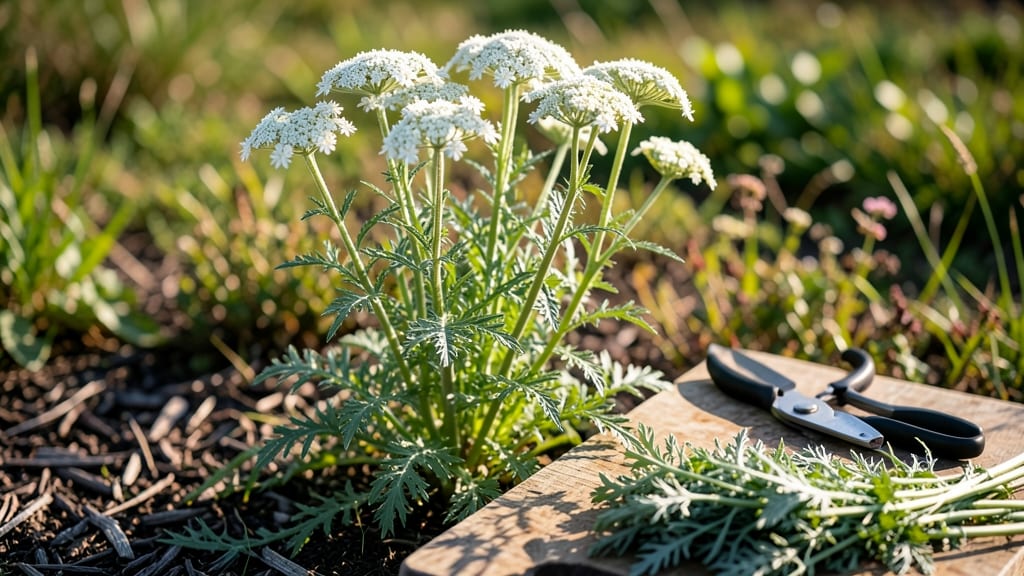
Pruning yarrow plants is the secret weapon behind those shockingly lush clumps that bloom from early summer through fall. ✨ I’ve watched my own yarrow go from scraggly to showstopping after just one proper pruning session—it’s all about when and how you cut.
The key is timing: late winter or early spring before new growth starts, or right after blooms fade to keep them flowering longer.
You only need three simple tools: sharp pruners (bypass or anvil), gardening gloves to protect from those fine hairs, and a small rake for cleanup.
The process takes about 15 minutes per plant, and the payoff is worth it—yarrow that stays compact, blooms densely, and doesn’t flop over in heavy rain. Even my black thumb can’t mess this up.
Start by cutting back one-third of the plant to the ground in late winter, then deadhead spent blooms all summer to encourage more flowers. For advanced gardeners, those cuttings root easily in water—free plants for your friends or extra clumps for your garden.
The aftercare is minimal: a light mulch and occasional watering keeps them thriving.
Here’s the golden rule: never cut into old, bare wood—always leave some green growth. And if you wait until fall to prune, you’ll risk winter dieback. That’s it—no complicated steps, just better-looking yarrow all season long.
📚 In This Guide
- What you need
- Instructions
- Tips and common mistakes
- Wrapping up and next steps
What you need
- ● Pruning shears or bypass pruners – Opt for sharp, clean bypass pruners (avoid anvil pruners—they crush stems). A 5-7 inch model works best for most yarrow varieties. (1 pair required)
- ● Garden gloves – Choose nitrile-coated or heavy-duty leather gloves to protect against thorns and sap. (1 pair recommended)
- ● Disinfectant (70% isopropyl alcohol or bleach solution) – Sterilize tools before and after pruning to prevent disease spread. (Small bottle or spray)
- ○ Garden twine or rubber bands – For tying up leggy stems if you’re shaping yarrow into a hedge. (Optional, but handy for formal gardens)
- ● Garden waste bag or compost bin – Collect pruned stems for composting (yarrow breaks down quickly!). (1-2 bags or direct access to compost)
- ○ Watering can or hose with a gentle nozzle – Keep yarrow hydrated post-pruning to encourage new growth. (Optional but helpful)
- ● Choose the right time – Prune in early spring (before new growth) or late summer/early fall (after blooming) for best results.
- ● Check the weather – Avoid pruning if rain is forecasted within 24 hours to prevent fungal issues.
- ● Know your yarrow type – Some varieties (like Achillea ‘Moonshine’) benefit from hard pruning, while others may need lighter trims.
- ● Safety first! – Yarrow stems can be thorny—wear gloves and avoid pruning near your face.
How to prune yarrow for continuous, vibrant flowers
This is the secret to keeping your yarrow blooming all season—no dead stems, just lush, healthy growth.
✂️ Step 1: Time Your First Cut for Peak Health
Prune yarrow in early spring or late winter, just as new growth begins but before buds swell. This removes last year’s dead foliage and encourages fresh, vigorous shoots. I always wait until after the last frost—cold snaps can stress newly cut plants. Use sharp bypass pruners to make clean cuts at a 45-degree angle, about ½ inch above a leaf node where new growth emerges.
Don’t skip this step—yarrow left unpruned in winter can look ragged and attract pests. If you missed spring, you can still prune in early summer, but the first cut sets the tone for the whole season. Watch for new green shoots pushing through the old stems—that’s your signal it’s time.
✂️ Step 2: Deadhead Spent Blooms for Longer Flowers
Once yarrow flowers fade—usually by mid-summer—cut back the entire spent flower stalk down to 2-3 inches above the base. This prevents seed formation and redirects the plant’s energy into producing fresh blooms. I use my fingers to pinch off small clusters, but for larger stems, the pruners work best. Always cut just above a leaf node to avoid leaving stubs that can rot.
Here’s the thing—yarrow often self-seeds aggressively. By deadheading, you control where those seeds go (or don’t go at all). You’ll notice new flower buds forming within 2-3 weeks after pruning. If you see leggy stems with no flowers, your plant needs more light—yarrow thrives in full sun and blooms best with 6+ hours daily.
✂️ Step 3: Lightly Trim in Fall for Winter Prep
In late fall, give yarrow a light haircut—cut back one-third of the plant’s height, focusing on the oldest, most woody stems. This improves air circulation and reduces disease risk over winter. Avoid pruning too late; 6-8 weeks before your first frost is ideal. Leave the youngest stems intact—they’ll provide fresh growth next spring.
Mulch around the base with 2-3 inches of organic mulch (like shredded leaves or straw) to protect roots from freezing. You’ll see fresh green shoots in early spring, proving your fall prep paid off. Real talk: if you forget to prune in fall, don’t panic—just tackle it in spring. Yarrow is tough and forgiving, but consistent pruning keeps it looking its best.
✂️ Bonus: Renew Old Plants Every Few Years
After 3-4 years, yarrow stems become woody and produce fewer flowers. To rejuvenate, cut the entire plant back to the ground in early spring. New shoots will sprout from the base, and your yarrow will look and bloom like a young plant again. This works best in early spring when the soil is workable but before the heat of summer.
You’ll know it’s time when you see more bare stems than foliage or when flowers become sparse. Don’t wait until the plant looks completely exhausted—yarrow recovers faster if you act early. After renewing, keep watering consistently until new growth establishes, usually within 4-6 weeks.
Tips & tricks for pruning yarrow plants
A few simple tricks can transform your yarrow from a patchy, overgrown mess into a vibrant, long-blooming star. Here's what I've learned after years of working with this tough but finicky perennial.
The Leaf Node Secret: When making cuts in Step 1 and Step 2, always aim for just above a leaf node—those little bumps where leaves attach. This is where new growth emerges, and cutting here ensures your yarrow will bounce back stronger. I've seen beginners leave stubs below the node, which can rot and invite pests. Use your pruners to make clean cuts at that 45-degree angle, about ½ inch above the node, and you'll see fresh shoots within days.
Timing is Everything: The early spring timing in Step 1 is critical because it gives your plant the longest growing season to recover before winter. If you're in a warmer climate, you might need to adjust slightly—watch for those new green shoots pushing through old stems. In Step 3, that 6-8 week window before frost is your safety net. Prune too late, and you risk damaging new growth that hasn't hardened off yet. Mark your calendar 6 weeks before your average first frost date to stay on schedule.
Deadheading Hack: For Step 2, I've found that pinching off spent blooms with your fingers works best for small clusters, but for larger stems, your pruners are actually better. The key is to cut cleanly just above a leaf node—don't leave those little stubs! I've seen people cut too low, which can lead to rot. Also, don't be afraid to be aggressive here—cutting back to 2-3 inches above the base gives your plant the best chance to produce fresh blooms within 2-3 weeks.
Renewal Strategy: When you reach that 3-4 year mark in the Bonus step, cutting the entire plant back to the ground might seem drastic, but trust me—it works wonders. I've revived plants that looked completely spent with this method. Just be patient and keep watering consistently for those first 4-6 weeks as new shoots establish. You'll be amazed at how quickly your yarrow comes back looking fresh and ready to bloom.
Pro Tips for Pruning Yarrow Plants
- A few simple tricks can transform your yarrow from a patchy, overgrown mess into a vibrant, long-blooming star.
- The Leaf Node Secret: When making cuts in Step 1 and Step 2, always aim for just above a leaf node—those little bumps where leaves attach.
- Timing is Everything: The early spring timing in Step 1 is critical because it gives your plant the longest growing season to recover before winter.
Frequently asked questions
Got questions about pruning yarrow plants?
You’re not alone! Here are some of the most common queries—plus quick, actionable answers to keep your yarrow thriving.
When is the best time to prune yarrow?
Prune yarrow twice a year for optimal results: early spring (just as new growth emerges) to remove dead foliage and late summer/early fall (after flowering) to encourage a second flush of blooms. Avoid pruning in winter—yarrow’s woody stems are dormant and won’t regrow until spring.
How much should I cut back yarrow?
For most varieties, trim back one-third to half of the plant’s height. Cut just above a set of healthy leaves or a leaf node to encourage bushier growth. Over-pruning (cutting too close to the base) can stress the plant, while under-pruning may lead to leggy stems and fewer blooms.
What if my yarrow looks sad after pruning?
Don’t panic! Yarrow is resilient. If it appears wilted or sparse post-prune, ensure it’s in full sun (6+ hours/day) and well-drained soil. Water lightly after pruning, but avoid soggy roots—yarrow hates wet feet. Fertilize lightly with compost if growth is slow, but yarrow typically thrives in lean soil.
Can I prune yarrow for longer vase life?
To extend cut-flower life, harvest stems early in the morning when blooms are fresh. Cut at an angle, strip lower leaves, and place in water immediately. Yarrow’s long, sturdy stems hold up well in bouquets—just change the water every 2–3 days for maximum longevity.
What if I skip pruning entirely?
Yarrow is low-maintenance, but skipping pruning may lead to overcrowded stems, fewer blooms, and a messy appearance. While it won’t die, unpruned yarrow can become woody and less vibrant. A quick trim once or twice a year keeps it lush, compact, and blooming like a champ!
Wrapping up and next steps
Pruning yarrow isn’t just about tidying up—it’s your secret weapon for vibrant, long-lasting blooms and healthier plants! 🌸 By mastering the when, how, and why of pruning, you’ll encourage bushier growth, prevent flopping stems, and even extend your yarrow’s flowering season.
Whether you’re a seasoned gardener or just starting out, these simple steps will transform your garden into a showstopping display.
Ready to see the results? Grab your shears and get pruning! For even more tips, check out our guide on extending yarrow’s bloom time—your garden (and pollinators!) will thank you. 🐝✨