Diseases
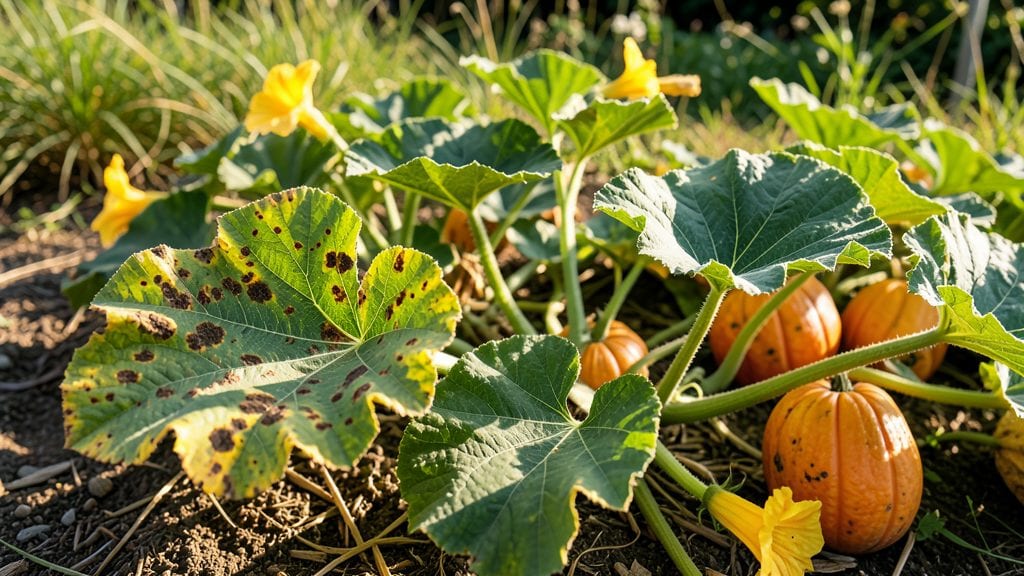
Pumpkin plant diseases can turn your golden dreams into wilted disappointment faster than you can say "jack-o'-lantern." 🌱 I’ve lost entire vines to powdery mildew and bacterial wilt—until I learned the early warning signs and how to strike back before the fungus spreads.
The key isn’t just spotting the problem; it’s knowing which diseases need organic remedies and which demand a stronger chemical response.
Most of these fungal foes thrive in warm, humid conditions—exactly the weather pumpkins love. That’s why prevention starts with spacing plants properly, improving airflow, and choosing disease-resistant varieties like ‘Howden’ or ‘Jackpot.’
Once you recognize the first yellowing leaves or fuzzy white patches, you’ve got a narrow window to act before the entire patch collapses.
You’ll walk away with a checklist of symptoms—from black spots on leaves to oozing stems—and the exact treatments that work, whether it’s a baking soda spray for mildew or copper fungicide for stubborn infections.
The goal? Healthy vines that produce pumpkins so big and sturdy, your neighbors will ask for cuttings.
This isn’t just about saving a season—it’s about building a garden where pumpkins grow strong year after year. Let’s turn those early warnings into early victories.
Root Causes Of Pumpkin Plant Woes
Pumpkin plants may seem resilient, but they’re not immune to stress—especially when it comes to fungal invaders. Understanding why these diseases strike is the first step to prevention. Let’s break down the key culprits behind pumpkin plant diseases, from environmental factors to biological threats.
Fungal diseases like Phytophthora and Pythium thrive in soggy soil. When pumpkin plants sit in waterlogged conditions, their roots suffocate, creating the perfect breeding ground for pathogens.
- Why it happens: Excess moisture weakens plant defenses, allowing fungi to penetrate roots and stems.
- Actionable fix: Ensure well-draining soil (sandy loam works best) and avoid overhead watering. Use raised beds or drip irrigation to keep foliage dry.
- Pro tip: 🌡️ Test soil moisture before watering—stick your finger 2 inches deep. If damp, wait.
Many pumpkin diseases (Powdery Mildew, Downy Mildew) spread via windborne spores. Warm, humid nights followed by cool mornings create ideal conditions for spores to germinate on leaves.
- Why it happens: Spores land on wet foliage, germinate, and infect plants within 24–48 hours.
- Actionable fix: Space plants for airflow (3–4 feet apart) and use reflective mulch to reduce humidity near leaves.
- Pro tip: ✨ Neem oil sprays (applied at dusk) can disrupt spore germination.
Reusing infested soil or garden tools spreads diseases like Fusarium or Verticillium wilt. Even compost from diseased plants can harbor pathogens.
- Why it happens: Fungal spores survive in soil for years, reinfecting new plantings.
- Actionable fix: Solarize soil (cover with clear plastic for 4–6 weeks) or plant disease-resistant varieties (e.g., 'Howden' pumpkins). Sterilize tools with 70% isopropyl alcohol.
- Pro tip: 🔥 Rotate crops—avoid planting cucurbits (pumpkins, squash) in the same spot for 3+ years.
Pests like squash vine borers or aphids create entry points for fungi. Their feeding stress weakens plants, making them vulnerable to secondary infections.
- Why it happens: Open wounds from borers or sap-sucking insects let fungi like Alternaria invade.
- Actionable fix: Use row covers early in the season and handpick borers. Apply kaolin clay to deter aphids.
- Pro tip: 🎯 Healthy plants resist better—fertilize with compost (not high-nitrogen mixes) to boost immunity.
By addressing these root causes—water management, airflow, soil health, and pest control—you’ll slash the risk of pumpkin plant diseases before they take hold. Next, we’ll dive into how to identify these fungal foes early.
How to fix pumpkin ailments fast
When your pumpkin plants show signs of distress, quick action can save your harvest. Below are practical, step-by-step solutions tailored to the most common fungal foes—plus prevention tips to keep your vines thriving. Think of this as your emergency repair kit for pumpkin plant diseases!
Cause: White, powdery patches on leaves (usually from poor airflow or humidity). Fix:
- 🍳 Prune & Toss – Snip off severely infected leaves (don’t compost them!) and destroy them.
- 👨🍳 Spray Neem Oil Mix – Combine 1 tbsp neem oil + 1 tsp baking soda + 1 quart water. Spray early morning (avoid direct sun).
- 🌡️ Boost Airflow – Space plants 3–4 feet apart and stake vines to improve circulation.
💡 Prevention Pro Tip: Apply reflective mulch (aluminum foil or silver plastic) around plants to reduce fungal spores.
Cause: Yellow spots on top leaves, fuzzy gray growth underneath (loves wet foliage). Fix:
- 🔪 Remove Infected Leaves – Cut away damaged leaves and sterilize pruners with rubbing alcohol.
- 🥘 Copper Fungicide Spray – Use a ready-made copper soap (like Bonide Copper Fungicide) every 7–10 days until symptoms vanish.
- ⏰ Water at the Base – Avoid overhead watering; use a drip irrigation system instead.
✨ Prevention Hack: Plant resistant varieties like ‘Howden’ or ‘Jack Be Little’ if downy mildew is common in your area.
Cause: Sudden wilting, yellowing, and oozing stems (spreads via infected tools or insects). Fix:
- 🚨 Isolate Immediately – Remove entire infected plants (don’t compost!) and burn or trash them.
- 🧼 Sterilize Tools – Soak pruners and gloves in 10% bleach solution (1 part bleach to 9 parts water) for 10 minutes.
- 🌱 Rotate Crops – Avoid planting cucurbits (pumpkins, squash, melons) in the same spot for 3 years.
🎯 Prevention Must-Do: Test soil for bacterial presence before planting—some pathogens persist for years.
Cause: Yellowing leaves, stunted growth, and vascular discoloration (soil-borne fungi). Fix:
- 🔥 Solarize Soil – Cover beds with clear plastic for 4–6 weeks in hot sun to kill fungi.
- 🌱 Plant Resistant Varieties – Try ‘Muskettee’ or ‘Cinderella’ pumpkins, bred for wilt resistance.
- 💧 Improve Drainage – Amend soil with compost + perlite to reduce fungal buildup.
🔥 Prevention Warning: Never reuse infected plant debris—it can reinfect soil for years.
Cause: Dark, sunken spots on leaves/fruit (worse in humid, rainy weather). Fix:
- 🍳 Prune & Dispose – Remove all infected leaves/fruit and sterilize tools.
- 🥘 Apply Fungicide – Use chlorothalonil (Daconil) or copper fungicide every 10–14 days.
- 🌡️ Space Plants Wider – Thin vines to reduce humidity between leaves.
💡 Prevention Tip: Harvest promptly—ripe pumpkins are less susceptible to anthracnose.
| Action | How to Do It | When to Do It |
|---|---|---|
| Rotate Crops | Avoid planting pumpkins in the same spot yearly. | Every 2–3 years. |
| Test Soil | Use a home soil test kit for pH/fungi. | Before planting season. |
| Use Row Covers | Apply floating row covers early to block spores. | At planting, remove when flowering. |
| Clean Garden Tools | Wipe down pruners with rubbing alcohol. | After each use. |
Final Thought: The key to winning against pumpkin diseases is speed + prevention. Act at the first sign of trouble, and your vines will bounce back stronger than ever! 🚀🎃
Frequently asked questions about pumpkin plant diseases
What are the first signs of powdery mildew on pumpkin leaves?
Look for white, powdery patches on the upper leaf surfaces—they start as small spots but spread rapidly in humid conditions. The undersides may also develop yellowing. Unlike downy mildew, powdery mildew stays on the surface and doesn’t create fuzzy growth underneath.
Can I still harvest pumpkins if the leaves have fungal spots?
Yes, but focus on healthy vines first. Remove heavily infected leaves to redirect energy to fruit development. If the fungus has spread to stems or roots, harvest immediately—further growth may be compromised. Always wash pumpkins thoroughly before storing.
How do I know if my pumpkin plants have bacterial wilt vs. fungal wilt?
Bacterial wilt causes sudden wilting with oozing stems (yellow/brown fluid), while fungal wilts (like Fusarium) show vascular discoloration (black streaks inside stems). Bacterial wilt spreads faster and often appears in patches, whereas fungal wilts progress more slowly.
Will homemade remedies like milk spray work for pumpkin diseases?
Yes, but with limitations. A 1:9 milk-water mix (sprayed weekly) helps prevent powdery mildew by disrupting fungal spores. For stubborn infections, combine it with neem oil or copper fungicide. Test on a small leaf first—some varieties may react to milk’s acidity.
How long does it take for pumpkin plants to recover from fungal infections?
Recovery depends on the disease and how early you act. Mild powdery mildew may clear in 1–2 weeks with proper treatment, while wilts or anthracnose can take 3–4 weeks or require plant removal. Prune infected areas immediately and maintain airflow to speed up recovery.