Companion Plants
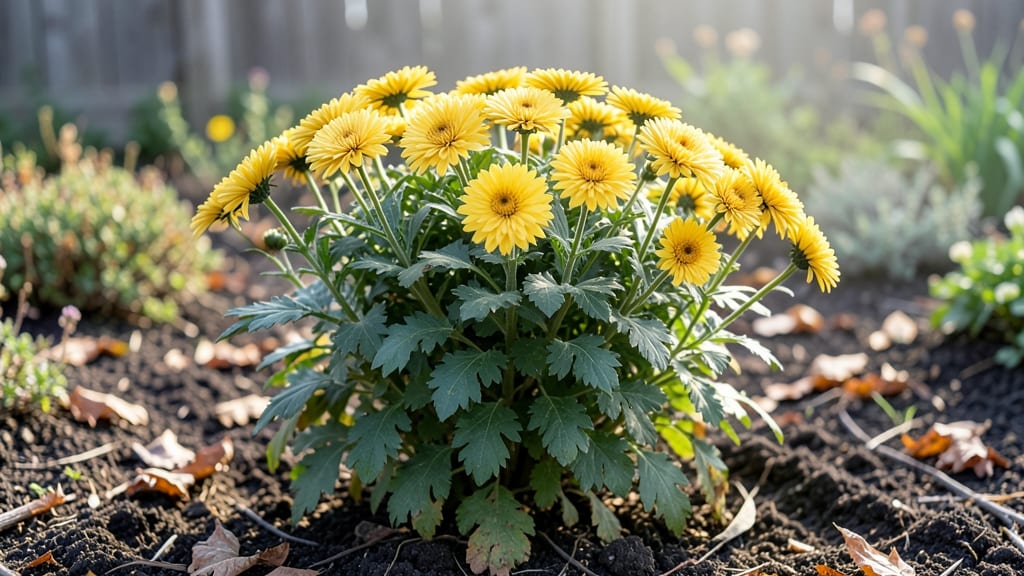
Pyrethrin for plants is a natural insecticide extracted from chrysanthemum flowers that targets pests like aphids, mites, and caterpillars by disrupting their nervous systems, while breaking down rapidly in sunlight. Always dilute it properly and apply during early morning or evening to protect beneficial insects and enhance effectiveness.
This botanical compound works by overstimulating insects' nerve cells, causing paralysis and death within minutes of contact. 🔥 Unlike synthetic pesticides, pyrethrin breaks down quickly—usually within hours—when exposed to sunlight, making it safer for organic gardens.
The key is proper dilution (typically 1-2 teaspoons per gallon of water) and avoiding application during peak pollinator activity to preserve bees and butterflies.
For best results, I recommend mixing pyrethrin with a mild soap (like castile) to help it adhere to plant surfaces. Store your solution in a cool, dark place, and always wear gloves when handling to protect your skin.
Many organic gardeners swear by it for treating soft-bodied pests without harming their plants or the environment.
💡 In This Article
- How Pyrethrin Kills Pests Without Harming Plants
- Safe Pyrethrin Application Guide for Gardeners
How pyrethrin kills pests without harming plants
Pyrethrin works by targeting the nervous systems of insects through a unique biochemical mechanism. When sprayed on pests like aphids or caterpillars, it binds to sodium channels in their nerve cells, causing rapid, uncontrolled firing of electrical signals.
This overstimulation leads to paralysis within 30 seconds to 2 minutes, depending on the pest species. The key difference from synthetic pesticides is its selectivity—it only affects insects with specific sodium channel structures, which plants lack entirely.
This selective toxicity explains why pyrethrin doesn't harm plants. Insect nerve cells have sodium channels that are particularly sensitive to pyrethrin's molecular structure, while plant cells lack these channels altogether.
The compound also breaks down through a process called photodegradation, where sunlight triggers chemical reactions that render it inactive within 24-48 hours. This rapid breakdown prevents accumulation in soil or water systems, making it ideal for organic gardening.
The contact nature of pyrethrin means it must make direct contact with pests to work effectively. Unlike systemic pesticides that move through plant tissues, pyrethrin stays on leaf surfaces. This is why thorough coverage during application is crucial—missing spots can allow pests to survive.
The compound's volatility (it evaporates quickly) also means it won't persist in the environment, reducing risks to non-target organisms.
Temperature plays a surprising role in pyrethrin's effectiveness. Cooler temperatures (50-70°F) enhance its stability, while heat above 85°F accelerates breakdown. This is why early morning or evening applications work best—the cooler conditions allow more time for the compound to interact with pests before sunlight degrades it.
The scent of pyrethrin-treated plants becomes noticeably sharper immediately after application, a clue that the compound is actively working.
What most gardeners don't realize is that pyrethrin's effectiveness varies by pest type. Soft-bodied insects like aphids and whiteflies are highly susceptible, while harder-shelled pests (like beetles) require higher concentrations.
The compound's breakdown products are generally non-toxic, but some insects may develop resistance after repeated exposure—similar to how some weeds become resistant to herbicides.
For visual learners, imagine pyrethrin as a tiny molecular key that fits perfectly into insect nerve receptors, like a lock and key mechanism. When inserted, it jams the system, preventing normal nerve function. Plants, lacking these specific receptors, remain completely unaffected by this biochemical interference. 💫