Vegetables
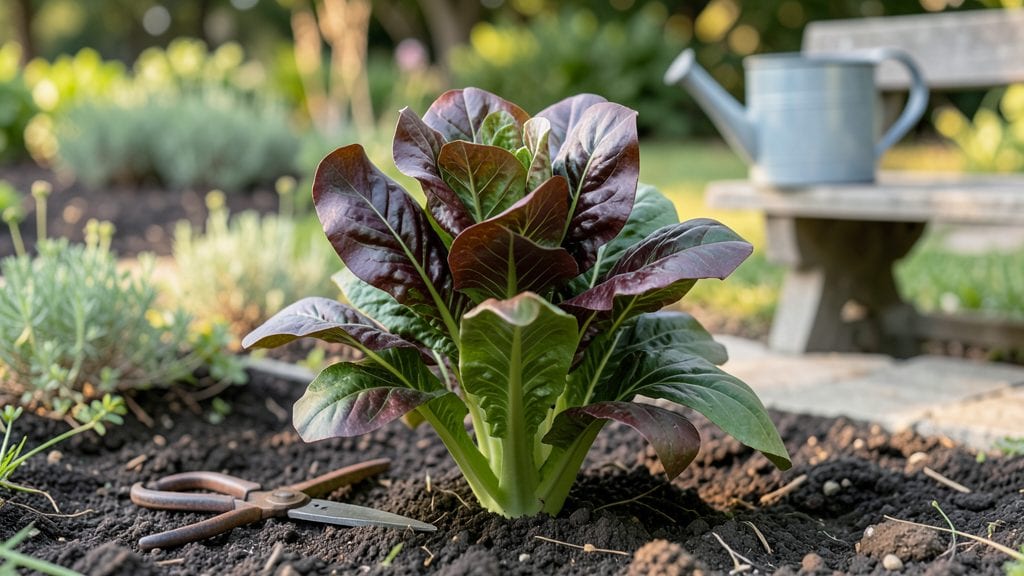
Growing a red romaine lettuce plant that stays crisp and productive through summer heat is easier than you think—once you know the right tricks. I’ve grown this variety for years, and it’s the only lettuce that survives our 90-degree afternoons without bolting or turning bitter.
The secret lies in the soil, water, and a little shade at the right moment.
The key is starting with loose, well-draining soil mixed with compost—nothing fancy, just rich and crumbly. Plant seeds ¼ inch deep, 12 inches apart, in partial shade during peak heat, then gradually move them to morning sun as temperatures drop.
A 5-gallon container works perfectly for patios, and you’ll have baby leaves ready in just 3-4 weeks.
What you’ll end up with is lettuce that stays vibrant red, crisp enough to snack on straight from the garden, and heat-tolerant enough to produce through early fall. The flavor is sweeter than store-bought, and the stems stay sturdy enough for salads without wilting.
Plus, it’s one of the few greens that actually thrives with a little neglect—just keep the soil moist and watch it grow.
Pair it with radishes or carrots to deter pests, and avoid planting near parsley (it attracts the same aphids). If you’re in a hot climate, succession planting every 2 weeks keeps you harvesting all season. Ready to grow lettuce that actually survives summer?
📚 In This Guide
- What you need
- Instructions
- Tips and common mistakes
- Wrapping up and next steps
What you need
- ● Red Romaine Lettuce Seeds: 1 packet (about 50-100 seeds). Look for bolt-resistant varieties like 'Red Sails' or 'Outredgeous' for better heat tolerance.
- ● Containers or Garden Bed: Containers: 4-6" deep pots (1-2 per plant) with drainage holes.
- ● Garden Bed: Well-draining soil in a sunny spot (6+ hours of light daily).
- ● Potting Mix: 1 bag of high-quality, seed-starting mix (sterile and lightweight). Avoid garden soil—it can compact and stunt growth!
- ● Watering Can or Spray Bottle: For gentle, even watering (avoid soaking the soil).
- ● Garden Gloves: To protect your hands while handling soil or seeds.
- ● Plant Labels: Small markers to track varieties (especially if growing multiple types).
- ● Row Cover or Shade Cloth: 30-50% shade cloth to protect seedlings from intense afternoon sun.
- ● Fertilizer: Balanced, low-nitrogen fertilizer (e.g., 5-10-10) or compost tea for a gentle boost.
- ● Pruning Shears: For harvesting outer leaves without damaging the plant.
- ● Sunlight: Full sun to partial shade (morning sun + afternoon shade works best in hot climates).
- ● Temperature: Ideal germination: 60-70°F (15-21°C). Mature plants tolerate up to 80°F (27°C) with shade.
- ● Water Consistency: Keep soil evenly moist (not soggy) but avoid waterlogging.
Step-by-Step instructions for growing red romaine lettuce
Here's my foolproof method for growing crisp, heat-tolerant red romaine lettuce that stays sweet through summer.
Prepare Your Planting Site or Containers
Red romaine thrives in well-draining soil with plenty of organic matter. If planting directly in the garden, choose a spot that gets 4-6 hours of sunlight daily—morning sun with afternoon shade works best in hot climates. I always test the soil first with a simple pH kit to ensure it's between 6.0 and 7.0. Romaine prefers slightly acidic to neutral soil, and if your soil is too alkaline, mix in 1-2 cups of peat moss per square foot to adjust it.
For container growing, use 5-gallon pots with drainage holes. Fill them with a mix of 50% potting soil and 50% compost to give roots plenty of nutrients and air space. I like to add a handful of granular fertilizer at the bottom of each pot before filling with soil—this gives the plants a slow-release boost right from the start.
Plant Seeds or Transplants at the Right Time
For best results, sow seeds 4-6 weeks before your last frost date in spring or late summer for a fall harvest. Red romaine is more heat-tolerant than other lettuces, but it still bolts quickly in extreme heat. If you're planting in late summer, choose a spot with afternoon shade or use shade cloth to protect seedlings from intense afternoon sun.
When planting seeds, scatter them ½ inch deep and 1 inch apart in rows spaced 12 inches apart. If you're using transplants, space them 8-10 inches apart to allow for leaf expansion. Water gently after planting to settle the soil and remove any air pockets around the roots. I like to use a fine mist spray bottle for seedlings to avoid disturbing them.
Water and Maintain Consistent Moisture
Red romaine lettuce has crisp stems that require consistent moisture to stay tender. Water deeply once or twice a week, depending on your climate, ensuring the soil stays evenly moist but not soggy. The key is to water at the base of the plant rather than overhead—this prevents fungal diseases and keeps leaves dry. I check moisture by sticking my finger 1 inch into the soil; if it feels dry, it's time to water.
Mulch around the base of the plants with 1-2 inches of straw or shredded leaves to retain moisture and suppress weeds. This also helps regulate soil temperature, which is especially important in hot weather. Avoid letting the soil dry out completely, as this causes bitterness and bolting. If you notice the outer leaves wilting slightly in the heat, give them a quick drink of water in the early morning to revive them.
Fertilize and Protect for Optimal Growth
Feed your red romaine lettuce with a balanced liquid fertilizer every 3-4 weeks to encourage strong, crisp growth. I use a 10-10-10 or 20-20-20 formula diluted to half strength to avoid burning the tender leaves. Avoid over-fertilizing, as this can lead to excessive leaf growth at the expense of stem crispness—the hallmark of great romaine.
To prevent bolting, especially in warm weather, I often use shade cloth during the hottest part of the day if temperatures exceed 80°F. You can also harvest the outer leaves as they mature to encourage continuous production. This method keeps the plant focused on growth rather than flowering. If you notice the inner leaves turning bitter, it’s a sign the plant is stressed—either from heat or overcrowding—so adjust your care routine accordingly.
Harvest for Maximum Flavor and Longevity
You can start harvesting red romaine lettuce 4-6 weeks after planting, once the leaves reach 4-6 inches tall. Use a clean, sharp knife to cut the outer leaves just above the base, leaving the inner leaves to continue growing. This encourages a longer harvest season and prevents the plant from bolting prematurely. I like to harvest in the morning when the leaves are at their crispest and most flavorful.
For a full harvest, wait until the entire head is mature, usually around 8-10 weeks. Cut the entire plant at the base with a knife, leaving 1 inch of stem. This allows you to replant the base if you want a second crop. Store harvested lettuce in a plastic bag in the refrigerator for up to 1 week to maintain crispness. If you notice the leaves wilting after harvest, place them in a bowl of ice water for 10-15 minutes to revive them before eating.
Tips & tricks for growing crisp red romaine lettuce
A few simple tricks will help you grow the crispest, most heat-resistant red romaine lettuce possible—without the common pitfalls that turn lettuce bitter or bolted.
Soil Preparation Secret: In Step 1, when you're mixing your soil, add a handful of worm castings to the 50% potting soil and 50% compost blend. This boosts microbial activity, which helps roots absorb nutrients more efficiently. I've found that plants grown with worm castings stay crisp longer and resist bolting better in heat. For alkaline soil, don't just add peat moss—mix in 1 cup of coffee grounds per square foot too. The acidity from both will work together to get your pH just right.
Heat Protection Strategy: The 80°F threshold mentioned in Step 4 is your warning sign. When temperatures hit this point, I recommend setting up a simple DIY shade system using white garden fabric draped over hoops or stakes. This diffuses harsh sunlight while still allowing plenty of light for photosynthesis. For container growers, move pots to a shaded spot during peak afternoon sun—even just 2-3 hours of relief makes a difference in preventing bolting.
Watering Technique: In Step 3, when you're checking soil moisture by sticking your finger 1 inch deep, pay attention to the texture. If the soil feels gritty rather than crumbly, it's time to water. I've also found that watering in the early morning hours (6-8 AM) gives the plants time to absorb moisture before the heat of the day. This routine prevents the wilting you might see in late afternoon, keeping leaves crisp for longer.
Fertilizer Timing: The 3-4 week fertilizer schedule in Step 4 works perfectly, but here's a pro tip: switch to a fish emulsion fertilizer during hot months. It's gentler on tender lettuce leaves and provides a quick nutrient boost without the risk of burning. Also, always dilute it to half strength—even more than the instructions suggest—since heat increases nutrient uptake speed.
Pro Tips for Red Romaine Plant
- A few simple tricks will help you grow the crispest, most heat-resistant red romaine lettuce possible—without the common pitfalls that turn lettuce bitter or bolted.
- Soil Preparation Secret: In Step 1, when you're mixing your soil, add a handful of worm castings to the 50% potting soil and 50% compost blend.
- Heat Protection Strategy: The 80°F threshold mentioned in Step 4 is your warning sign.
Frequently asked questions
How long does it take for a Red Romaine plant to mature?
A Red Romaine plant typically reaches harvest readiness in 60–75 days from seeding, depending on temperature and care. For faster results, opt for transplants (they mature in 50–60 days). Check the base of the outer leaves—when they’re 8–12 inches tall and firm, it’s time to harvest!
Can Red Romaine survive a light frost?
Yes! Red Romaine lettuce is cold-hardy and can tolerate light frosts down to 25–30°F. In fact, a light chill can enhance its flavor. However, avoid heavy freezes (<20°F) or prolonged cold snaps, which may cause bolting (going to seed). Use row covers for extra protection if needed.
Why is my Red Romaine turning bitter or bolting early?
Bitter taste or premature bolting usually happens due to heat stress, overmaturity, or poor watering. To prevent it:
- Shade cloth (30–50%) during hot days (above 75°F).
- Keep soil consistently moist (not soggy).
- Harvest outer leaves early to encourage continued growth.
- Choose bolt-resistant varieties like ‘Red Salad Bowl’ for heat tolerance.
What’s the best way to harvest Red Romaine without killing the plant?
For a cut-and-come-again harvest, use a sharp knife to snip the outer leaves at the base, leaving the inner core intact. Avoid pulling leaves—this can damage the plant. With proper care, your Red Romaine will regrow for 2–3 more harvests!
Are there any easy alternatives to Red Romaine for beginners?
If Red Romaine seems tricky, try these low-maintenance lettuce alternatives:
- Butterhead lettuce – Forgiving, sweet, and slow to bolt.
- Leaf lettuce (e.g., Black Seeded Simpson) – Fast-growing (30 days) and cut-and-come-again friendly.
- Oakleaf lettuce – Heat-tolerant with decorative, frilly leaves.
Wrapping up and next steps
Growing red romaine lettuce is a rewarding way to enjoy crisp, vibrant greens even in warmer climates—thanks to its heat tolerance and bolt-resistant traits! 🌱 Whether you’re a seasoned gardener or just starting, this versatile plant delivers flavorful harvests with minimal fuss.
The key is patience, proper spacing, and a little shade when needed.
Ready to elevate your garden? Start small—try a few plants in containers or your backyard—and experiment with companion plants like radishes or carrots. Before you know it, you’ll be savoring homegrown salads packed with color and crunch. Happy planting! 🌿