
Planting
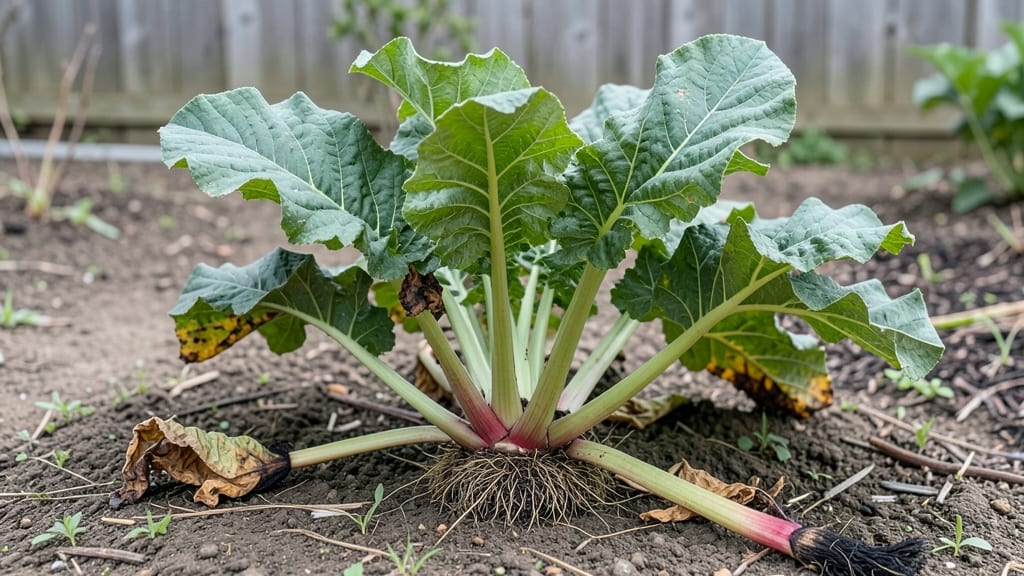
Even the hardiest rhubarb plant problems can sneak up when you least expect them—like the day my once-proud stalks turned from ruby-red to limp and sad. 🌱 I’ve watched my own go from crisp to yellowed and floppy, usually because I missed the first warning signs.
The good news? Most rhubarb problems have clear fixes, and catching them early means you’ll save your harvest.
Overwatering, fungal diseases like crown rot, and aphid infestations are the top culprits, but nutrient deficiencies (especially calcium) and poor soil drainage sneak up too.
I’ve learned the hard way that yellow leaves don’t always mean the same thing—sometimes it’s too much water, other times it’s a pest hiding under the leaves. The key is knowing what to look for and acting fast.
You’ll walk away with a checklist for diagnosing issues, step-by-step fixes (like adjusting watering or applying neem oil), and preventive habits that keep your rhubarb thriving for years. No more guessing what’s wrong—just clear, actionable solutions that work. Let’s get your plants back on track.
Whether you’re dealing with blackened stalks, stunted growth, or mysterious holes, this guide covers the most common problems and how to stop them before they ruin your crop.
The right approach depends on the season and your climate, but the principles stay the same—spot it early, act fast, and keep growing.
Root Causes Behind Rhubarb Struggles
Rhubarb plants are hardy and resilient, but even the toughest garden star can face challenges. Understanding why these issues arise is half the battle—once you know the science behind the struggle, you can take precise action to restore your rhubarb’s health.
Below, we break down the most common culprits, from soil missteps to environmental stressors, with clear explanations of how they damage your plant.
Rhubarb thrives in well-draining, slightly acidic to neutral soil (pH 6.0–7.0), but many gardeners unknowingly create the perfect recipe for disaster by neglecting soil prep. Here’s how it backfires:
- Compacted or Clay-Heavy Soil:
Rhubarb roots need oxygen to expand and absorb nutrients. When soil is dense (common in clay or heavily amended gardens), water pools around roots, suffocating them and inviting root rot. 🔍 Sign: Yellowing leaves that stay limp even when watered.
- Why it happens: Clay particles bind tightly, reducing pore space for air and water movement.
- Actionable fix: Amend with compost or coarse sand (like perlite) to improve aeration.
- Nutrient Deficiencies:
Rhubarb is a heavy feeder, especially for potassium and phosphorus. If soil lacks these, growth stalls, and leaves develop purple or red tinges (a classic deficiency signal).
- Why it happens: Over time, gardens deplete nutrients without replenishment. Organic matter breaks down, leaving micronutrients like magnesium (causing interveinal chlorosis) in short supply.
- Actionable fix: Apply a balanced fertilizer (10-10-10) in early spring, or use wood ash (for potassium) and bone meal (for phosphorus).
- pH Imbalances:
Soil pH outside 6.0–7.0 locks out essential nutrients, even if they’re present. 🌡️ Too acidic (pH <5.5)? Iron and manganese become toxic. 🌡️ Too alkaline (pH >7.5)? Phosphorus and zinc vanish from the plant’s reach.
- Why it happens: Organic matter decomposition, limestone residues, or acidic rain can shift pH over time.
- Actionable fix: Test soil with a home pH kit. Adjust with lime (to raise pH) or sulfur/pine needles (to lower pH).
💡 Pro Tip: Rhubarb dislikes fresh manure—it burns roots. Instead, use composted cow or chicken manure to feed soil gradually.
Rhubarb’s tolerance for drought is a myth—consistent moisture is critical, especially in the first two years. But watering mistakes lead to two opposite (yet equally damaging) problems:
| Problem | Why It Happens | How It Harms Rhubarb | Fix It Now |
|---|---|---|---|
| Overwatering | Poor drainage + frequent watering = soggy roots. | Fungal infections (like Phytophthora) rot roots, cutting off water/nutrient flow. 🔍 Sign: Black, mushy stems at the base. | Let top 1–2" of soil dry between waterings. Add gravel or sand to amend heavy soil. |
| Underwatering | Drought stress or shallow root systems (from compacted soil). | Leaves curl and wilt as the plant conserves water. Severe cases cause bud drop (flowers/fruits abort). | Water deeply 1–2x weekly (more in heatwaves). Mulch with straw to retain moisture. |
✨ Key Insight: Rhubarb’s deep taproot means it hates surface-level watering. Aim for slow, deep soaks to encourage roots to grow downward.
Rhubarb’s tender leaves and stalks make it a buffet for pests. But the real damage often comes from hidden invaders that go unnoticed until it’s too late:
- Japanese Beetles:
- Why it happens: Adults chew notches in leaves, while larvae (grubs) munch on roots, weakening the plant’s structure.
- 🔍 Sign: Skeletonized leaves + shiny green beetles clustered on stems.
- Actionable fix: Handpick beetles into soapy water. Use neem oil or milky spore to disrupt their lifecycle.
- Rhubarb Curculio (Weevil):
- Why it happens: These 1/4-inch beetles lay eggs in flower buds, and larvae burrow into stalks, causing them to rot.
- 🔍 Sign: Holes in stalks + sawdust-like frass (insect poop).
- Actionable fix: Remove and destroy infested stalks. Apply diatomaceous earth around the base.
- Aphids & Spider Mites:
- Why it happens: Dry, hot conditions stress rhubarb, making it more attractive to sap-sucking pests. Aphids excrete honeydew, which fosters sooty mold (a black fungal film).
- 🔍 Sign: Sticky leaves + tiny webs (mites) or curled leaf tips (aphids).
- Actionable fix: Blast off pests with water. Introduce ladybugs or spray insecticidal soap.
💡 Pro Tip: Cultural control works best. Plant rhubarb in full sun (6+ hours/day) to deter pests—shady spots create humid microclimates they love.
Rhubarb’s susceptibility to fungal diseases often stems from one or more of these preventable factors:
- Leaf Spot (Cercospora):
-
Quick Fixes for Rhubarb Plant Troubles
Rhubarb plants are hardy but can still face issues like leaf curl, blackened stalks, or stunted growth. The good news? Most problems have simple, effective solutions—if you catch them early. Below, we’ll map common rhubarb plant woes to practical fixes, plus tips to keep your plants thriving long-term.
---
Fix: If your rhubarb leaves are yellowing, wilting, or curling, it’s often a sign of overwatering or fungal diseases like leaf spot or rust.
1. 🔥 Check the Soil First - Stick your finger 1–2 inches into the soil. If it’s soggy, your plant is getting too much water. - Solution: Let the soil dry out between waterings. Rhubarb prefers well-drained soil—amend heavy clay with compost or sand if needed.
2. 🍳 Prune for Airflow - Remove yellow or curled leaves immediately to prevent fungal spread. - Space plants 2–3 feet apart to improve airflow (crowding traps moisture).
3. 🌡️ Fungicide Treatment (If Needed) - Spray with a copper-based fungicide or a baking soda solution (1 tsp baking soda + 1 quart water + a drop of dish soap) every 7–10 days until symptoms fade.
💡 Prevention Tip: - Water early in the day so leaves dry quickly. - Avoid overhead watering—use drip irrigation instead.
---
Fix: Blackened, mushy stalks usually mean root rot (from overwatering) or bacterial crown rot.
1. 👨🍳 Inspect the Roots - Gently dig around the base. Healthy roots are firm and white; rotten roots are dark and smelly. - Solution: Trim away blackened roots and stalks with sterilized pruners (wipe with rubbing alcohol).
2. 🥘 Adjust Watering & Soil - Reduce watering and ensure the plant is in loamy, well-draining soil. - If the crown (base of the plant) is soft and discolored, dig up the plant, remove rotten parts, and replant in fresh soil with sand or perlite for drainage.
3. ⏰ Quarantine the Plant - Keep infected plants separate from healthy ones until fully recovered.
💡 Prevention Tip: - Never let rhubarb sit in wet soil—raise beds slightly or use mulch (but keep it away from the crown).
---
Fix: If your rhubarb is growing slowly or producing tiny stalks, it’s likely nutrient-deficient or root-bound.
1. 🔪 Divide the Plant (Every 3–4 Years) - Dig up the plant in early spring and split the crown into 3–4 sections, each with at least one bud. - Replant divisions 18–24 inches apart in rich, compost-amended soil.
2. 📊 Fertilize Smartly - Apply a balanced fertilizer (10-10-10) in early spring and again after harvest. - Avoid high-nitrogen fertilizers—they encourage leafy growth over stalks.
3. 🌡️ Test Soil pH - Rhubarb prefers slightly acidic to neutral soil (pH 6.0–7.0). - Adjust with lime (to raise pH) or sulfur (to lower pH) if needed.
💡 Prevention Tip: - Harvest stalks carefully—never take more than ⅓ of the plant in a season to avoid stress.
---
Fix: Pests like aphids, Japanese beetles, or slugs can wreak havoc on rhubarb leaves and stalks.
1. 🍳 Manual Removal (Best for Small Infestations) - Aphids: Spray with soapy water (1 tsp mild soap per quart of water). - Japanese beetles: Handpick and drop into soapy water (they’re active in late summer). - Slugs: Set out beer traps (bury a shallow dish filled with beer) or use iron phosphate bait.
2. 🌿 Natural Deterrents - Plant garlic or chives nearby—their scent repels pests. - Neem oil spray (mix 2 tsp neem oil + 1 tsp mild soap + 1 quart water) works for soft-bodied pests.
3. 🔪 Severe Cases? - If beetles are relentless, use pyrethrin-based insecticides (follow label instructions).
💡 Prevention Tip: - Mulch with coarse materials (like wood chips) to deter slugs. - Inspect plants weekly—early action prevents outbreaks.
Final Thought: Most rhubarb problems are preventable with proper care—good drainage, smart watering, and regular check-ups go a long way. Once you address the root cause (literally!), your plants should bounce back stronger than ever. 🌟
Frequently asked questions about rhubarb plant problems
1Why are my rhubarb leaves turning yellow and crispy at the edges?
This is usually a sign of underwatering or nutrient deficiency. Rhubarb needs consistent moisture, especially during hot weather. Check soil moisture by sticking your finger 2 inches deep—if it's dry, water deeply. For nutrients, apply a balanced fertilizer (10-10-10) in early spring and test soil pH (ideal range: 6.0–7.0).
2What should I do if my rhubarb stalks are black and mushy at the base?
This indicates root rot from overwatering or poor drainage. Stop watering immediately and improve drainage by adding compost or sand to the soil. Remove all blackened stalks and rotten roots with sterilized pruners. If the crown is soft, replant in fresh, well-draining soil with perlite to prevent recurrence.
3How do I get rid of Japanese beetles chewing my rhubarb leaves?
Handpick beetles in the morning and drop them into soapy water. For larger infestations, spray with neem oil or apply milky spore to disrupt their lifecycle. Planting garlic or chives nearby can also deter them naturally. Avoid chemical sprays unless absolutely necessary, as they harm beneficial insects.
4Can I still harvest rhubarb if it has leaf spots or fungal issues?
Yes, but focus on the stalks only—they’re safe to eat even if leaves are infected. Remove and destroy affected leaves immediately to prevent spread. Improve airflow by spacing plants 2–3 feet apart and water in the morning to keep leaves dry. Apply a copper fungicide if spots persist.
5How often should I divide my rhubarb plants to prevent overcrowding?
Divide rhubarb every 3–4 years in early spring. Dig up the plant, split the crown into sections with at least one bud each, and replant 18–24 inches apart in rich, compost-amended soil. This prevents competition for nutrients and improves stalk production. Overcrowding often leads to smaller, weaker stalks.
-