
Companion Plants
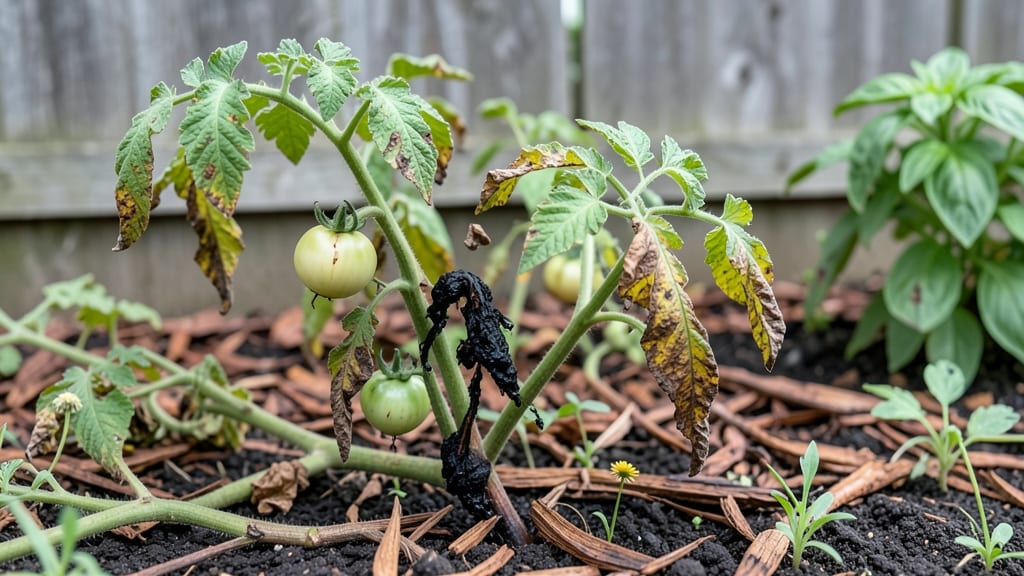
When your tomato plants start rotting from the bottom up, it’s not just bad luck—it’s a fungal party you didn’t invite. 🌱 I’ve lost entire plants to blight, but these five companion plants act like bodyguards, keeping diseases at bay while improving airflow and soil health.
The real culprits are usually early blight, late blight, or overwatering creating a fungal buffet. But instead of reaching for chemicals, I’ve found that planting basil, marigolds, onions, borage, and nasturtiums around your tomatoes disrupts the disease cycle.
These plants don’t just mask the problem—they starve the fungus and attract beneficial insects that keep pests in check.
You’ll notice healthier stems, fewer brown spots on leaves, and tomatoes that ripen without rotting. The key is spacing them right—about 18 inches apart—and rotating crops yearly to break the disease cycle. Within weeks, your plants will look like they’re thriving, not fighting for their lives.
Works for backyard gardens, containers, and even small urban plots. The best part? These allies work year after year, so you’re not just treating symptoms—you’re building a defense system your tomatoes will thank you for.
Root Causes of Plant Decay
Tomato plants are prone to rot for a variety of reasons, often tied to environmental stress, disease, or improper care. Understanding the underlying causes is the first step to prevention—and keeping your garden thriving.
Below, we break down the most common culprits behind rotting tomato plants, along with the science behind each issue.
Tomatoes are heavy drinkers, but too much water—especially when drainage is poor—can drown their roots. When soil stays soggy for extended periods, oxygen levels drop, suffocating roots and creating the perfect breeding ground for fungal pathogens like Phytophthora (which causes root rot).
The symptoms? Wilting, yellowing leaves, and a foul, mushy smell at the base of the stem.
Why it happens:
- Compacted soil prevents water from draining, trapping moisture near roots.
- Overhead watering (especially in the evening) keeps foliage damp, promoting fungal spores.
- Lack of organic matter in soil reduces aeration, worsening waterlogging.
Actionable fix: Test your soil’s drainage by digging a hole, filling it with water, and timing how long it takes to drain. If it takes more than 30 minutes, amend with perlite, sand, or compost to improve airflow.
Tomatoes are famously susceptible to early blight (Alternaria solani) and late blight (Phytophthora infestans), two devastating fungal diseases that thrive in warm, humid conditions. Late blight, in particular, spreads rapidly and can mummify fruit overnight, turning it into a slimy, rotting mess.
Why it happens:
- High humidity (above 75%) and stagnant air create ideal conditions for spores to germinate.
- Poor airflow between plants allows spores to linger and reinfect.
- Contaminated soil or tools can carry fungal pathogens from season to season.
Actionable fix: Space plants 18–24 inches apart for airflow, remove infected leaves immediately (don’t compost them!), and apply copper fungicide preventatively. Companion plants like garlic, thyme, and marigolds can also suppress fungal growth naturally.
Unlike fungal rot, bacterial soft rot (Erwinia spp.) causes tissues to turn watery, brown, and foul-smelling—often starting at the stem or fruit. This bacteria thrives in wounds (like pruning cuts or insect damage) and spreads via splashing water or contaminated hands.
Why it happens:
- Physical damage (e.g., hail, rough handling) creates entry points for bacteria.
- Excess moisture on leaves or fruit provides a breeding ground.
- Poor sanitation (reusing infected mulch or tools) spreads the pathogen.
Actionable fix: Sterilize pruners with rubbing alcohol, avoid overhead watering, and remove infected plants immediately (don’t leave them in the garden). Baking soda spray (1 tbsp baking soda + 1 quart water + a drop of dish soap) can help as a preventive measure.
These microscopic worms burrow into roots, creating galls (swollen, lumpy areas) that disrupt nutrient uptake. Infested plants wilt, yellow, and eventually rot as their roots fail to function. Nematodes thrive in warm, moist soil and can persist for years.
Why it happens:
- Monocropping tomatoes year after year depletes natural predators.
- Contaminated soil or transplants introduces nematodes to your garden.
- Poor soil health (lack of beneficial microbes) weakens the plant’s defenses.
Actionable fix: Plant nematode-resistant varieties (like ‘Mountain Merit’ or ‘Defiant PhR’), rotate crops with marigolds, nasturtiums, or cover crops like clover, and apply neem oil or beneficial nematodes (Steinernema spp.) to the soil.
Extreme heat, cold snaps, or sudden temperature swings weaken tomato plants, making them vulnerable to rot. For example:
- Heat stress causes sunscald (blistered fruit) and blossom drop, reducing plant resilience.
- Cold damage (below 50°F) slows metabolism, leaving plants unable to fight off pathogens.
Why it happens:
- Lack of mulch leads to soil temperature fluctuations.
- Improper shading in hot climates stresses plants.
- Sudden weather shifts (e.g., frost followed by heat) shock the plant.
Actionable fix: Use straw or wood chip mulch to regulate soil temperature, provide shade cloth in peak summer, and harden off transplants gradually when moving them outdoors.
Tomatoes need a balanced diet of nitrogen (for leaves), phosphorus (for roots), and potassium (for disease resistance). Too much nitrogen (common in synthetic fertilizers) leads to weak stems and lush foliage—but at the expense of fruit production and disease resistance.
Meanwhile, calcium deficiencies cause blossom end rot, where the fruit’s bottom turns brown and mushy.
Why it happens:
- Over-fertilizing with nitrogen (e.g., lawn fertilizer) starves roots of other nutrients.
- Low calcium levels (common in acidic or sandy soils) prevent cell wall formation.
- Inconsistent watering disrupts nutrient uptake.
Actionable fix: Use a balanced fertilizer (like 5-10-10) and supplement with crushed eggshells or lime for calcium. Drip irrigation ensures steady moisture for nutrient absorption.
Pro Tip: 💡 Rotate crops annually and practice crop diversity—planting tomatoes in the same spot year after year exhausts soil and invites pests and diseases.
Revive Your Tomatoes Naturally
When your tomato plants start showing signs of rot—whether it’s wilting leaves, dark spots, or mushy stems—acting fast can save your harvest. The good news? Most issues have simple, garden-friendly fixes.
Below, we’ll map the most common causes of rot to practical, step-by-step solutions, plus prevention tips to keep your plants thriving.
Symptoms: Yellowing leaves, soggy soil, or stems that feel mushy when pressed.
How to Fix It:
- 🔥 Stop Watering Immediately Let the soil dry out for 2–3 days to prevent further rot. Overwatering suffocates roots and invites fungal diseases like Phytophthora (the culprit behind "damping off").
- 👨🍳 Improve Drainage
- Raise beds or containers if soil stays wet too long. Add a 2–3 inch layer of gravel or coarse sand at the bottom before replanting.
- Amend heavy clay soil with compost or perlite to loosen it.
- ⏰ Adjust Your Watering Routine
- Water deeply but infrequently—aim for 1–1.5 inches per week (adjust for rain).
- Water at the base (not overhead) to keep foliage dry and reduce fungal spores.
💡 Pro Tip: Use a moisture meter to check soil dampness. If it reads "wet" 2+ days after watering, you’re overdoing it.
Symptoms: Brown, crusty spots on leaves/stems; blackened fruit; rapid wilting.
How to Fix It:
- 🍳 Prune Infected Areas
- Snip off diseased leaves/stems with sterilized shears (wipe with rubbing alcohol between cuts).
- Remove fallen leaves from the soil to stop spores from spreading.
- 🔪 Apply Fungicidal Sprays - Baking soda spray: Mix 1 tsp baking soda + 1 tbsp oil + 1 tsp dish soap in 1 quart water.
Spray every 7–10 days. - Neem oil: Dilute 2 tbsp neem oil + 1 tsp mild soap in 1 quart water. Spray at dusk to avoid burning leaves. - Copper fungicide (for severe cases): Follow package instructions.
- 🌿 Boost Plant Immunity
- Feed with compost tea (rich in beneficial microbes) or a balanced organic fertilizer (10-10-10) to strengthen roots.
- Mulch with straw or grass clippings (not wood chips) to keep soil moist but not soggy.
✨ Prevention Hack: Interplant with garlic or marigolds—their antifungal properties deter blight spores.
Symptoms: Chewed leaves, holes in stems, or a foul-smelling base.
How to Fix It:
- 🔪 Inspect for Pests
- Handpick slugs/snails at night (they’re most active then) or set up beer traps (bury a cup filled with beer—pests drown in it).
- Spray soapy water (1 tsp dish soap + 1 quart water) on aphids or whiteflies.
- 🍳 Treat Root Rot
- Scoop out mushy roots with a clean knife, then dust the area with cinnamon powder (natural antifungal).
- Repot in fresh, sterile soil (sterilize with boiling water or a 10-minute oven bake at 200°F).
- 🌱 Encourage Beneficial Allies
- Plant basil or borage nearby—they repel pests and improve air circulation.
- Release ladybugs or nematodes (like Steinernema feltiae) to target root-munching grubs.
🎯 Prevention Tip: Rotate crops—don’t plant tomatoes in the same spot yearly to break disease cycles.
Symptoms: Bleached leaves, sunken fruit, or plants wilting despite moist soil.
How to Fix It:
- 👨🍳 Provide Shade Cloth
- Use 30–50% shade cloth during peak sun (10 AM–4 PM) if temps exceed 90°F (32°C).
- Reflective mulch (aluminum foil or white plastic) can redirect sunlight away from plants.
- 💧 Increase Water Frequency (But Not Quantity)
- Morning watering reduces evaporation. Use drip irrigation to deliver water slowly to roots.
- 🌿 Choose Heat-Tolerant Varieties
- Swap susceptible types (like Roma) for heat-resistant tomatoes like ‘Heatmaster’ or ‘Solar Fire.’
💡 Quick Fix: Mist leaves lightly in the early morning to cool them down (avoid evening misting—it promotes fungal growth).
If rot has spread beyond saving (e.g., entire stem is blackened or the plant topples easily):
- For containers: Remove the plant, scrub the pot with bleach solution (1:10 ratio), and replant with fresh soil.
- For in-ground plants: Dig up the plant, burn or trash it (don’t compost diseased material), and solarize the soil (cover with clear plastic for 4–6 weeks to kill pathogens).
🌱 Remember: The key to long-term success is prevention. Healthy soil, smart spacing, and the right companions (like those in our next section!) will keep your tomatoes blight-free and bursting with flavor. 🍅✨
Frequently asked questions about tomato plant decay
Why do my tomato leaves turn brown and crispy at the edges?
This is often early blight or heat stress. Brown, crispy edges on leaves usually mean fungal spores are thriving in humid conditions. Check for brown spots with yellow halos—this is classic blight. Remove infected leaves immediately and space plants 18 inches apart for better airflow. For heat stress, provide afternoon shade with 30% shade cloth if temps exceed 90°F (32°C).
Can I still save my tomato plant if the stem feels soft and mushy?
If the stem is mushy and foul-smelling, it’s likely root rot or bacterial soft rot. Unfortunately, these are often fatal, but you can try: Stop watering immediately, dig up the plant, and inspect roots. If more than 50% are mushy, the plant won’t recover. For containers, scrub with bleach solution (1:10 ratio) before replanting. For in-ground plants, remove completely and solarize the soil (cover with clear plastic for 4–6 weeks).
How do I tell the difference between fungal rot and bacterial rot?
Fungal rot (like early/late blight) shows as brown, crusty spots with yellow edges, often on leaves first. Bacterial rot causes watery, foul-smelling mush—usually at the stem or fruit base. The key difference? Fungal rot spreads slowly with dry, dark patches, while bacterial rot oozes and smells terrible. For bacterial rot, sterilize tools with rubbing alcohol and avoid overhead watering.
Will compost tea help prevent tomato rot?
Yes! Compost tea boosts beneficial microbes that outcompete harmful fungi and bacteria. Brew it fresh (steep compost in water for 24–48 hours, strain) and spray on foliage every 2–3 weeks. For extra protection, mix with 1 tsp neem oil to deter fungal spores. Apply in the morning so leaves dry quickly—this prevents moisture buildup that fuels rot.
Can I use vinegar spray to treat rotting tomato plants?
Not directly—vinegar is too harsh for plants. However, a diluted vinegar solution (1 tbsp white vinegar + 1 quart water) can help disinfect tools and containers between uses. For plants, focus on baking soda spray (1 tsp baking soda + 1 quart water + 1 tsp oil) instead. It’s gentler and creates an alkaline environment that fungi hate. Always test sprays on a small leaf first!