Pruning
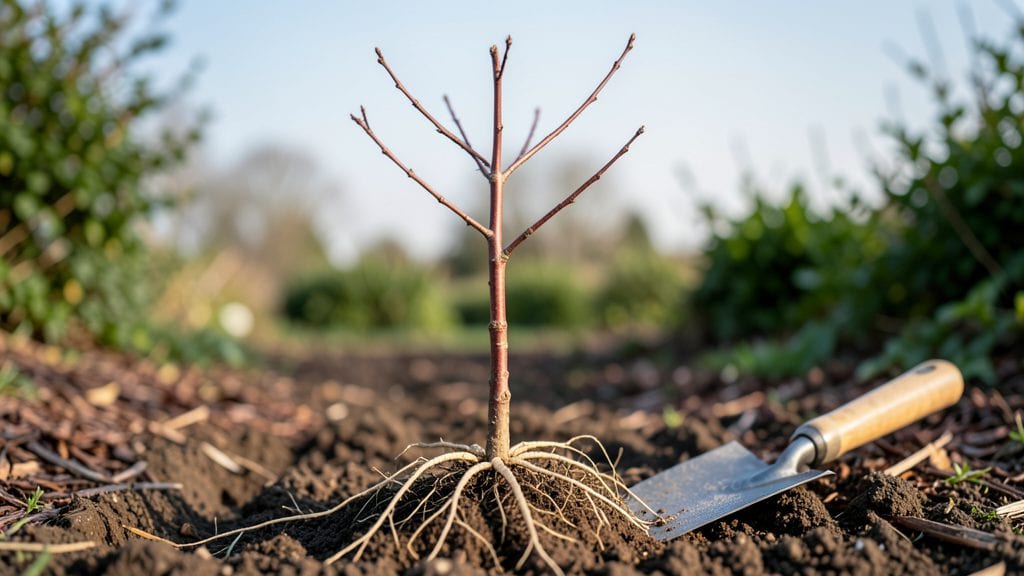
Planting a sakura tree means welcoming delicate pink blooms that turn your yard into a springtime masterpiece—if you choose the right spot and timing. 🌸 I’ve planted three myself, and the difference between a thriving tree and one that struggles comes down to soil, sunlight, and when you put it in the ground.
The best time to plant depends on your climate, but late fall or early spring gives roots the best chance to establish before summer heat hits.
You’ll need a hole twice as wide as the root ball, loose soil mixed with compost, and a sunny location with room to grow—sakura trees can reach 30 to 50 feet tall.
Most varieties thrive in zones 5 through 8, but Japanese sakura (like ‘Somei Yoshino’) handle cooler climates better than later-blooming types. Water deeply after planting, then again every few days until the tree’s roots take hold, which usually takes about a month.
What you’ll end up with is a tree that bursts into color every spring, then provides shade and texture year-round. The first few years are critical—prune only to shape, never to reduce size, and watch for signs of stress like yellowing leaves.
With the right care, your sakura will reward you with blooms for decades, becoming the centerpiece of your landscape.
Whether you’re in a suburban yard or a small urban space, sakura trees adapt beautifully—just pick a dwarf variety if room is limited. The key is patience: a well-planted tree will thank you for years to come. Ready to get started? Let’s dig in.
📚 In This Guide
- What you need
- Instructions
- Tips and common mistakes
- Wrapping up and next steps
What you need
- ● Sakura tree (choose between: 1 5-gallon container-grown tree (easiest for beginners)
- ● 1 bare-root sapling (cheaper, but requires faster planting)
- ● High-quality potting soil or native soil mix (50 lbs minimum, amended with compost for drainage)
- ● Organic mulch (4–6 cubic feet, like wood chips or straw)
- ● Slow-release fertilizer (10-10-10 NPK ratio, 1–2 lbs)
- ● Watering can or hose with a gentle spray nozzle
- ● Shovel or trowel (for digging the planting hole)
- ● Garden gloves (to protect your hands)
- ● Pruning shears (sterilized, for trimming roots or shaping)
- ● Measuring tape or ruler (to ensure proper spacing)
- ○ Stakes and twine (optional, for young trees in windy areas)
- ● Sunlight: Full sun (6+ hours daily) for optimal blooms.
- ● Space: Mature sakura trees need 20–30 feet of clearance.
- ● Climate: Most sakura varieties thrive in USDA Zones 5–8.
- ● Well-draining soil: Avoid heavy clay—amend if needed!
- ● Local regulations: Check if your area requires permits for large trees.
- ● 🌡️ Plant in early spring or fall—avoid extreme heat or frost.
- ● ✨ Choose a disease-resistant variety (e.g., ‘Kwanzan’ or ‘Somei-Yoshino’).
- ● 🔥 Water deeply 2–3 times weekly for the first year.
Step-by-Step instructions for planting a sakura tree
Here's how to plant a sakura tree for stunning spring blooms and year-round interest.
🌱 Step 1: Choose the Perfect Planting Spot
Sakura trees thrive in full sun for at least 6 hours daily, so pick an open area with no towering shade trees nearby. I always look for spots with well-draining soil—sakuras hate soggy roots. Test drainage by digging a hole, filling it with water, and checking if it drains within 30 minutes.
If your soil is heavy clay, mix in 2-3 inches of compost to improve texture. The tree needs room to grow—20-30 feet wide at maturity—so avoid planting near sidewalks, driveways, or other structures. You'll see the best blooms when the tree gets plenty of air circulation.
🪴 Step 2: Dig the Hole and Prepare the Tree
Dig a hole twice as wide as the tree's root ball but no deeper. This gives roots room to spread without sinking. Remove the tree from its container and gently loosen the roots if they're circling—sakuras hate root-bound stress. Soak the roots in lukewarm water for 10 minutes before planting to revive them.
Place the tree in the hole so the top of the root ball sits 1-2 inches above ground level. This prevents water from pooling at the base. Fill the hole with native soil, tamping gently to remove air pockets. Water deeply to settle everything—you'll see the soil sink slightly as it absorbs moisture.
☀️ Step 3: Mulch and Water for Establishment
Spread 3 inches of mulch (wood chips or bark) around the base, keeping it 6 inches away from the trunk to prevent rot. Mulch retains moisture and blocks weeds, but never pile it against the bark. Water the tree once a week for the first month, giving it 1-2 gallons each time to encourage deep root growth.
Watch for wilting leaves—they signal thirst. Sakura trees are drought-tolerant once established, but young trees need consistent moisture. Avoid overwatering; soggy soil suffocates roots. You'll know it's right when the top 2 inches of soil feel dry to touch before the next watering.
✂️ Step 4: Prune for Shape and Health
Prune in late winter or early spring, just before buds swell. Remove any dead, damaged, or crossing branches first—sakuras bloom best with good airflow. Cut back 1/3 of the previous year's growth to encourage bushier blooms. Make cuts just above a leaf node or bud, angled slightly downward.
Never prune in fall or summer—you'll sacrifice next year's flowers. After pruning, fertilize lightly with 10-10-10 fertilizer to support new growth. You'll see fresh, vibrant leaves within 3-4 weeks, signaling the tree is recovering well.
⏰ Step 5: Maintain Through the Seasons
In spring, apply 2 inches of compost around the base to feed the tree as it blooms. Water every 2 weeks during dry spells, focusing on deep, slow watering to encourage deep roots. Remove spent blossoms after they drop to redirect energy to new growth.
Fall is the time to reduce watering—sakuras need less as temperatures drop. Apply a 3-inch layer of mulch to insulate roots from winter cold. You'll know the tree is thriving when it produces abundant pink or white blooms each spring and maintains healthy foliage year-round.
Tips & tricks for perfect sakura tree planting
Here's what I learned after planting my first sakura tree—and how to avoid the mistakes I made.
The Sunlight Secret: That 6 hours of full sun requirement isn't just about light—it's about warmth too. Sakura trees need consistent warmth to set buds properly. If your yard gets afternoon shade, consider planting near a south-facing wall or fence that reflects sunlight. I planted mine against a brick wall, and the blooms were noticeably more abundant than neighbors' trees in shadier spots.
Root Revival Technique: That 10-minute lukewarm water soak in Step 2 is crucial for container-grown trees. Cold water shocks roots, while hot water can damage them. I use a spray bottle to mist the roots while soaking—this keeps them hydrated without over-saturating. After soaking, gently squeeze out excess water before planting to prevent waterlogged soil.
Mulching Mastery: The 3 inches of mulch in Step 3 should never touch the trunk—that's a common mistake I see. Mulch should form a donut shape around the base, starting 6 inches away from the trunk. This prevents moisture from pooling against the bark, which causes rot. I use shredded hardwood mulch because it breaks down slowly and improves soil structure over time.
Pruning Precision: When you cut back 1/3 of last year's growth in Step 4, focus on removing branches that grow inward or cross each other. These compete for sunlight and nutrients, reducing bloom quality. I mark my cuts with a piece of masking tape before cutting—this helps me visualize the final shape. Always make clean cuts just above a bud or leaf node angled slightly downward to prevent water from pooling.
Pro Tips for Sakura Tree Planting
- Here's what I learned after planting my first sakura tree—and how to avoid the mistakes I made.
- The Sunlight Secret: That 6 hours of full sun requirement isn't just about light—it's about warmth too.
- Root Revival Technique: That 10-minute lukewarm water soak in Step 2 is crucial for container-grown trees.
Frequently asked questions
Got questions about planting and caring for your sakura tree? You’re not alone! Here are some of the most common queries—plus expert answers to help you grow a stunning, healthy tree year-round.
When is the best time to plant a sakura tree?
The ideal time to plant a sakura tree is in early spring or fall. Spring (March–April) gives roots time to establish before summer heat, while fall (September–October) allows them to settle before winter dormancy. Avoid planting in extreme heat or freezing temperatures for best survival rates.
Can I plant a sakura tree in winter?
While possible, winter planting (November–February) is not recommended unless you’re in a mild climate (Zone 7+). Cold soil can stunt root growth, and young trees are vulnerable to frost damage. If you must plant in winter, use extra mulch and protect the root ball with burlap or frost cloth until spring.
How close to my house or fence should I plant a sakura tree?
Sakura trees mature into 30–50 feet tall with a spread of 25–40 feet. Plant at least 15–20 feet from structures to avoid root interference with foundations or sidewalks. For small yards, consider dwarf varieties like Kwanzan or Shirotae, which stay under 20 feet.
What if my sakura tree isn’t blooming? How can I encourage flowers?
Sakura trees need full sun (6+ hours/day), well-draining soil, and proper pruning to bloom well. If it’s young (<3–5 years), be patient—it may not flower yet. For mature trees, prune in late winter to remove dead wood and improve airflow. Over-fertilizing with nitrogen can reduce blooms, so use a balanced 10-10-10 fertilizer instead.
Are there sakura tree alternatives for small spaces or urban areas?
Yes! If space is limited, try these compact sakura varieties:
- Kwanzan (20–25 ft tall, double pink blooms)
- Shirotae (15–20 ft tall, pure white flowers)
- Mount Fuji (15–20 ft tall, disease-resistant)
Wrapping up and next steps
Planting a sakura tree is a rewarding journey that brings year-round beauty to your space—from delicate spring blooms to vibrant fall foliage. By mastering seasonal pruning and choosing the right tools, you’ll ensure your tree thrives for decades.
Whether you’re a beginner or a seasoned gardener, every step you take brings you closer to a stunning, healthy sakura that will inspire joy and wonder.
Ready to get started? Pick your spot, gather your tools, and plant with confidence! 🌸 Your future sakura will thank you—and so will your garden.