Plants
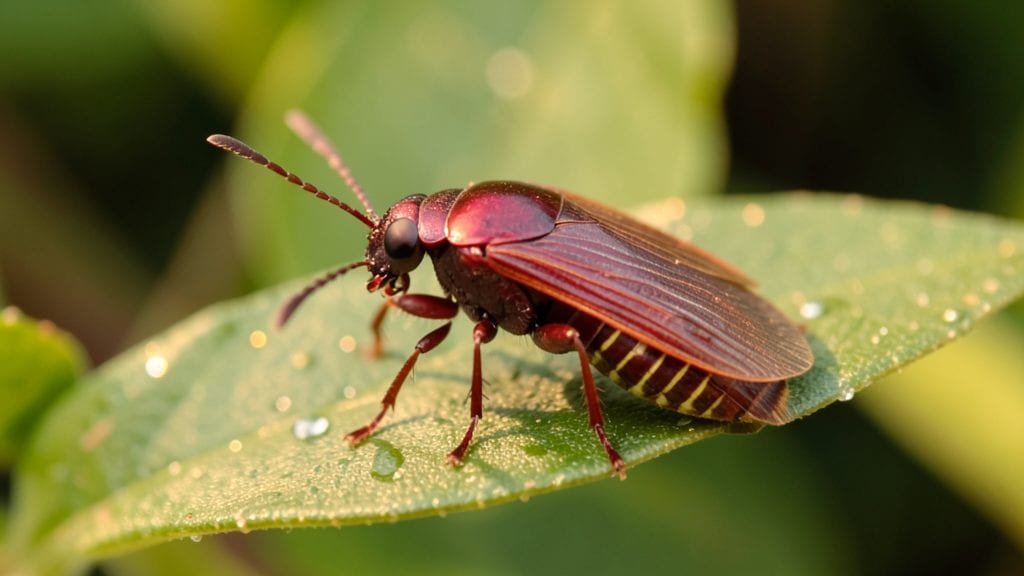
Scarlet plant bugs turn your fruit trees into skeleton leaves overnight. 🌿 I’ve watched them strip entire branches of cherries, peaches, and grapes in just a few days—until I learned their weak spots and how to outsmart them without chemicals.
The damage starts small: tiny yellow dots on leaves, then holes, then bare stems. These bugs thrive in warm, dry weather, and they’re sneaky—hiding on the undersides of leaves or in flower clusters.
Most gardeners reach for pesticides, but I’ve found that a mix of early scouting, row covers, and beneficial insects works just as well.
You’ll spot them within days of treatment if you check leaves daily. The key is acting fast: crush clusters by hand, spray with soapy water, or introduce ladybugs and lacewings. By midseason, your trees will look healthy again—and you’ll skip the chemical spray.
Works for fruit trees, berries, grapes, and even vegetable gardens. The best part? Your plants stay chemical-free, and the bugs never return once you break their cycle. Here’s how to make it stick.
Root Causes of Scarlet Plant Bug Damage
Understanding why these tiny pests target your plants is the first step to stopping them naturally. Scarlet plant bugs (often called Lygus lineolaris) thrive due to a mix of environmental, plant-related, and ecological factors.
Let’s break down the key reasons they invade your garden—and how they cause the damage you see.
Scarlet plant bugs are attracted to plants that are already struggling. When plants are crowded, nutrient-deficient, or water-stressed, their weakened cell walls make them easier targets.
These pests insert their mouthparts into plant tissues to feed on sap, which triggers a secondary response: the plant’s cells release enzymes that cause stunted growth, deformed buds, or even premature leaf drop.
- Why it happens:
- Competition for resources: Overcrowded plants can’t photosynthesize efficiently, leading to lower sugar content—a buffet for hungry bugs.
- Water stress: Drought or overwatering disrupts plant health, making them more vulnerable to puncture wounds from bug feeding.
- Nutrient imbalance: Plants low in nitrogen or phosphorus are less able to repair damage, prolonging the effects of bug attacks.
Actionable tip: 💡 Space plants properly (follow spacing guidelines for your species) and mulch to retain moisture—healthy plants are less appealing to pests.
Scarlet plant bugs are most aggressive in spring and early summer when young, tender plant growth is abundant. New shoots, flowers, and seedlings have thin cell walls and high moisture content, making them a prime feeding ground.
- Why it happens:
- Soft tissue = easy access: Bugs prefer new growth because it requires less effort to penetrate than mature, woody stems.
- High sap content: Young leaves and buds are rich in sugars, which bugs detect using chemical cues (like pheromones or volatile organic compounds).
- Lack of natural defenses: Mature plants often develop thicker cuticles or secondary metabolites (like alkaloids) that deter pests—young plants don’t have these yet.
Actionable tip: 🌱 Monitor new growth closely and consider row covers for high-value crops like tomatoes or peppers during peak bug activity (May–July in most regions).
Scarlet plant bugs are opportunistic predators that flourish when their natural predators are missing. A disrupted ecosystem—whether due to pesticides, habitat loss, or monoculture gardening—can lead to uncontrolled bug populations.
- Why it happens: - Loss of natural predators: Birds, spiders, lacewings, and parasitic wasps keep bug populations in check.
If you’ve used broad-spectrum pesticides, these helpers may have vanished. - Monoculture gardens: Planting large blocks of a single crop (like alfalfa or beans) creates a bug buffet with no diversity to break their feeding cycle. - Weedy areas: Bugs often overwinter in weeds (like chickweed or mustard) before moving to your garden.
A lack of ground cover gives them fewer hiding spots but also fewer alternative food sources.
Actionable tip: ✨ Encourage biodiversity—plant companion flowers (like alyssum or dill) to attract predatory insects, and leave some "wild" patches for beneficial species.
Scarlet plant bugs boom in warm, dry conditions with mild winters. Climate changes—like longer growing seasons or reduced rainfall—can create perfect conditions for their survival and reproduction.
- Why it happens:
- Warm nights: Bugs metabolize faster in temperatures above 70°F (21°C), leading to multiple generations per season.
- Low humidity: Drought-stressed plants release stress signals (like volatile organic compounds) that attract more bugs.
- Delayed rains: If spring is dry, weeds and wild hosts (like clover) may die off, forcing bugs to seek out cultivated plants for food.
Actionable tip: 🌡️ Use shade cloth in extreme heat to protect vulnerable plants, and water deeply but infrequently to reduce stress signals.
Not all plants are equally appealing to scarlet plant bugs. They have a menu of favorites, particularly those with soft, succulent tissues or high-protein flowers.
| Plant Type | Why They Love It | Common Damage Signs |
|---|---|---|
| Tomatoes | High moisture in fruit and flowers; thin skins on young growth. | Catfacing (deformed fruit), stunted blossoms. |
| Peppers | Sweet, water-rich peppers attract bugs for sap and to lay eggs. | Blotchy leaves, misshapen peppers. |
| Alfalfa & Clover | Legumes have high protein content, fueling rapid bug reproduction. | Wilting, yellowing, or "hopper burn" spots. |
| Stone Fruits | Thin-skinned fruits (like cherries or plums) are easy to puncture. | Scarring, premature fruit drop. |
| Weeds (Chickweed, Mustard) | Wild hosts provide a year-round food source, preventing die-off. | None (but they spread bugs to your garden!). |
Actionable tip: 🎯 Rotate crops annually to disrupt bug life cycles, and remove wild hosts (like mustard or pigweed) from garden edges.
If your garden (or neighboring fields) has recently been treated with synthetic pesticides, scarlet plant bugs may avoid those areas—only to concentrate their attacks elsewhere.
- Why it happens:
- Pesticide avoidance: Bugs develop behavioral resistance to treated plants, moving to untreated gardens for an easy meal.
- Secondary poisoning: Some pesticides kill natural predators first, removing the bugs’ biggest threat and leading to population explosions.
- Systemic chemicals: Plants treated with neonicotinoids may repel some pests but can also reduce pollinator activity, indirectly benefiting bugs by reducing competition.
Actionable tip: 🚫 Avoid broad-spectrum sprays—opt for targeted, natural controls (like neem oil or insecticidal soap) to preserve beneficial insects.
Scarlet plant bugs don’t just happen—they’re drawn to specific conditions in your garden. By addressing plant health, ecosystem balance, and environmental triggers, you can reduce their numbers naturally without resorting to harsh chemicals.
The key is proactive management: healthy plants, diverse gardens, and early intervention make all the difference.
Natural Ways to Tame Plant Pests
Now that you know what’s causing those pesky scarlet plant bugs to wreak havoc on your garden, it’s time to roll up your sleeves and take action! The good news? You don’t need harsh chemicals to keep these critters in check.
Below, we’ve broken down practical, eco-friendly solutions tailored to the root causes—whether it’s overcrowded plants, thirsty soil, or a lack of natural predators. Let’s get your garden thriving again!
When plants are cramped or struggling, they become easy targets for bugs. Here’s how to give them the space and care they need:
🔥 Prune & Thin Out Plants
- Why it works: Scarlet plant bugs love dense foliage where they can hide and feed undetected.
Opening up air circulation reduces their hiding spots. - How to do it: - Trim back overgrown branches or leaves, especially on susceptible plants like tomatoes, peppers, and eggplants. - Remove any yellowing or damaged leaves—these attract more bugs. - Space out young plants to 12–18 inches apart (check seed packet guidelines).
💧 Water Deeply & Consistently
- Why it works: Bugs thrive in plants that are either too dry or waterlogged.
Consistent moisture keeps plants healthy and less appealing. - How to do it: - Water deeply at the base (1–2 inches per week) rather than shallowly. - Use drip irrigation or soaker hoses to avoid wetting leaves (bugs love damp foliage). - Morning watering is best—it gives plants time to dry before evening, deterring pests.
🌱 Feed with Organic Fertilizer - Why it works: Weak plants are bug magnets.
A balanced organic fertilizer (like compost tea or fish emulsion) strengthens roots and foliage. - How to do it: - Apply a slow-release organic fertilizer every 4–6 weeks. - Top-dress with compost to improve soil health naturally.
Scarlet plant bugs don’t stand a chance when their natural enemies are around. Here’s how to encourage beneficial insects to move in:
👨🍳 Plant Companion Flowers
- Why it works: Flowers like dill, fennel, and marigolds attract ladybugs, lacewings, and parasitic wasps—all of which devour scarlet plant bugs.
- How to do it:
- Plant a patch of companion flowers near your veggie garden.
- Alyssum and sweet alyssum are especially effective—they lure tiny wasps that lay eggs inside plant bugs (yikes, but effective!).
🐝 Create a Bug Hotel - Why it works: Beneficial insects need shelter too!
A simple bug hotel (a small wooden box with bamboo tubes, pinecones, and leaves) gives them a place to nest. - How to do it: - Fill a wooden crate or mesh container with: - Bamboo canes (for ladybugs) - Pinecones & twigs (for lacewing larvae) - Dried leaves (for solitary bees) - Place it near your garden but out of direct rain.
🌡️ Introduce Nematodes (For Soil-Dwelling Bugs)
- Why it works: If scarlet plant bugs are hiding in the soil (like nymphs), beneficial nematodes (Steinernema feltiae) hunt them down.
- How to do it:
- Mix 1–2 million nematodes per 1,000 sq ft with water and apply to moist soil at dusk.
- Reapply every 4–6 weeks during peak bug season.
When bugs are already feasting, physical removal can buy you time while other methods take effect.
🍳 Handpick & Drop in Soapy Water
- Why it works: Scarlet plant bugs are slow-moving—you can scoop them off with your fingers or a damp cloth.
- How to do it:
- Early morning (when they’re sluggish), shake plants over a bucket of soapy water (1 tbsp dish soap per gallon).
- Wear gloves—some gardeners find these bugs leave a slight itch!
🛡️ Use Row Covers or Fine Mesh
- Why it works: A lightweight row cover (like Agribon) blocks bugs while allowing pollinators (like bees) to pass through.
- How to do it:
- Drape the cover over young plants or new transplants.
- Secure edges with stakes or bricks to prevent gaps.
🪨 Diatomaceous Earth (Food-Grade Only!)
- Why it works: This powdery mineral (made from fossilized algae) dehydrates bugs on contact—safe for plants but deadly to insects.
- How to do it:
- Sprinkle a thin layer around the base of plants and on leaves.
- Reapply after rain (it loses effectiveness when wet).
- ⚠️ Warning: Avoid inhaling—wear a mask when applying!
Once you’ve kicked the scarlet plant bugs to the curb, lock in their defeat with these long-term strategies:
- 🌱 Rotate crops yearly to starve out pests that overwinter in the soil.
- 🍃 Mulch with straw or grass clippings—this smothers weeds (which bugs love) and retains moisture.
- 🕯️ Use yellow sticky traps to monitor and catch early-stage infestations.
- 🌿 Plant trap crops like nasturtiums—bugs will go for these instead of your veggies!
- 🌙 Shake plants at dusk—many bugs hide in leaves overnight; a good shake sends them packing.
Final Thought: 🎯 Patience is key! It may take a few weeks for beneficial insects to move in and for your plants to bounce back, but stay consistent with these methods. Soon, your garden will be a bug-free paradise—without a single chemical in sight!
Frequently asked questions
What do scarlet plant bugs look like up close?
Scarlet plant bugs are tiny—about 1/4 inch long—with a bright red or orange body and semi-transparent wings folded over their backs. Their nymphs are pale yellow with black markings. Look on the undersides of leaves or in flower clusters where they hide during the day.
Which plants are most at risk from these bugs?
They target tender, high-moisture plants like tomatoes, peppers, stone fruits, alfalfa, and clover. Watch for deformed blossoms or scarring on fruit—classic signs they’ve been feeding. Weeds like chickweed also attract them, so remove those first.
How do I know if my plants have scarlet plant bug damage?
Check for tiny holes in leaves, stunted growth, or premature fruit drop. The bugs puncture plant cells, causing "hopper burn"—yellow spots that turn brown. Young plants are most vulnerable, so inspect new shoots daily during spring.
Can I use neem oil to control them?
Yes! Neem oil disrupts their life cycle and deters feeding. Mix 1 tsp per quart of water with a drop of dish soap, then spray leaves thoroughly at dusk (when bugs are active). Reapply every 5-7 days until they disappear.
Will ladybugs eat scarlet plant bugs?
Ladybugs are their natural predators. Plant companion flowers like alyssum or dill to attract them, and avoid pesticides that might harm these helpers. For faster results, release 10-20 ladybugs per plant during early morning.