
Companion Plants
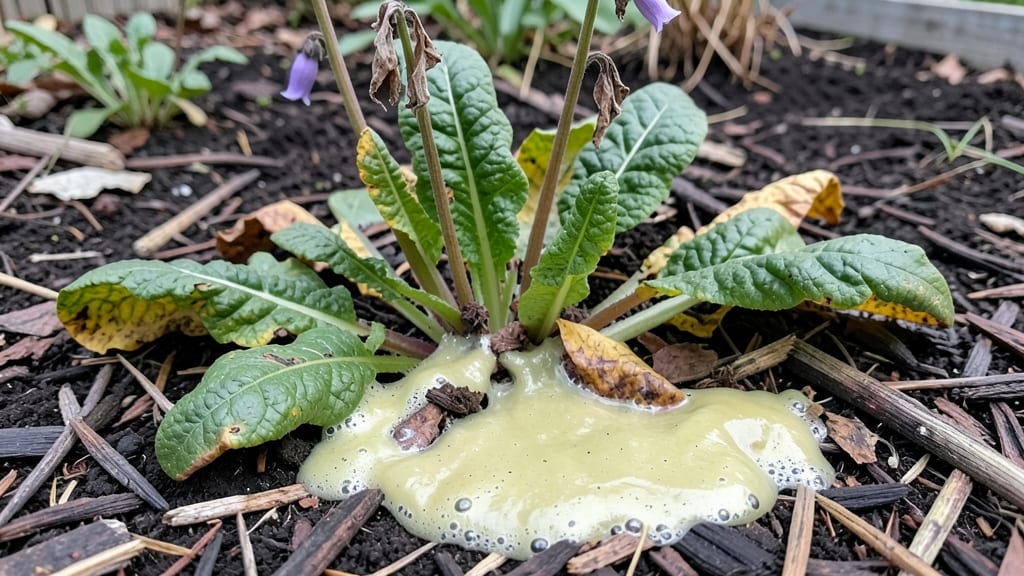
That slimy film on your leaves isn't just gross—it's a fungal threat that can kill plants in days if ignored. ✨ I've seen downy mildew turn vibrant tomato leaves into blackened slime traps, and the key to stopping it is acting fast with organic solutions that actually work.
The good news? You don't need harsh chemicals to save your plants. A simple mix of baking soda, dish soap, and water (1 tablespoon each per gallon) disrupts fungal spores while being safe for beneficial insects.
Spray this on both leaf surfaces when you first notice slimy patches, and reapply every 3-4 days until the slime disappears completely.
Within 24 hours, you'll see the slime start to lift as the solution breaks down the fungal growth. The leaves will dry out, regain their normal color, and—most importantly—stop spreading the infection to other plants. This method works on tomatoes, cucumbers, and even houseplants with slimy leaves.
For stubborn cases, add a teaspoon of hydrogen peroxide to the mix for extra oomph, but always test on a small leaf first. The secret is consistency: one treatment might help, but three applications usually erase the slime for good.
Your plants will thank you with fresh, healthy growth instead of that nasty film.
📚 In This Guide
- What you need
- Instructions
- Tips and common mistakes
- Wrapping up and next steps
What you need
- ● Neem oil (organic, cold-pressed) – 1 tablespoon per quart of water (look for 100% pure, no additives).
- ● Dish soap (mild, unscented) – ½ teaspoon per quart of water (e.g., Castile soap).
- ● Water (distilled or dechlorinated) – 1 quart (32 oz) per batch (avoid tap water if heavily chlorinated).
- ● Spray bottle (glass or BPA-free plastic) – 8–16 oz, with a fine mist nozzle (e.g., trigger sprayer).
- ● Garden gloves (nitrile or rubber) – 1 pair (to protect your hands from oils and fungi).
- ● Soft-bristle brush or sponge – 1 (for gently scrubbing stubborn slime spots).
- ○ Baking soda (optional but helpful) – 1 teaspoon per quart of water (adds extra antifungal power).
- ● Hydrogen peroxide (3%) – 1 tablespoon per quart of water (boosts disinfection—use sparingly!).
- ● Food-grade diatomaceous earth (DE) – 1–2 tablespoons (dry application) (sprinkle on soil for prevention).
- ● Copper fungicide (organic) – Follow label instructions (for severe infestations).
- ● Pruning shears (sterilized) – 1 pair (to remove heavily infected plant parts).
How to use slime on plants for fungal threats
This natural remedy tackles fungal diseases fast—no harsh chemicals needed.
🌿 Step 1: Identify and Prepare the Affected Areas
First, inspect your plants for fungal signs like powdery white patches, black spots, or slimy growths. Focus on leaves, stems, and soil surfaces where moisture lingers. Remove severely infected leaves with clean, sharp scissors—dispose of them in the trash, not compost. This prevents spreading spores to healthy parts.
Wear gloves (I always do) to avoid skin contact with fungal spores. Work on a dry day when plants are fully hydrated but not dripping. If the infection is on soil, gently loosen the top inch of dirt to improve airflow—fungi thrive in compacted, damp soil.
💧 Step 2: Mix the Slime Solution
Combine 1 tablespoon of baking soda with 1 quart of lukewarm water in a clean spray bottle. Add ½ teaspoon of horticultural oil (like neem oil) to help the solution cling to leaves. Shake well before each use—oil and baking soda don’t mix naturally, so thorough blending is key.
For stubborn infections, double the baking soda to 2 tablespoons but test on a small leaf first. Some plants, like ferns, are sensitive to baking soda. Apply lightly at first and monitor for browning or wilting. The solution should look cloudy, not oily or clumpy.
✂️ Step 3: Apply the Treatment Evenly
Spray the solution until leaves glisten but don’t drip—excess water can worsen fungal growth. Focus on the undersides of leaves where spores often hide. Hold the bottle 6-8 inches away to avoid oversaturating delicate stems. Reapply every 3-4 days for 2 weeks, even if symptoms disappear sooner.
For soil-borne fungi, mix 1 tablespoon of baking soda per gallon of water and water the base of plants at soil level. Avoid wetting foliage here—direct contact can cause leaf burn. The baking soda raises soil pH slightly, creating an environment fungi can’t tolerate.
☀️ Step 4: Optimize Plant Conditions for Recovery
After treatment, improve airflow by spacing plants 6-12 inches apart (depending on variety) and pruning crowded branches. Remove any remaining debris or mulch from the soil surface—moisture trapped there fuels fungal regrowth. Water plants early in the day so leaves dry quickly.
Place a small fan on low speed near infected plants for 10-15 minutes daily if possible. Gentle airflow dries leaves faster and discourages spores from settling. Within 24-48 hours, you’ll notice less slime or powdery buildup. If new growth appears healthy, the treatment worked.
⏰ Step 5: Prevent Future Outbreaks
Once plants recover, apply a monthly preventive spray of the same solution (1 tbsp baking soda + ½ tsp oil per quart of water) during humid seasons. Store the mix in a cool, dark place for up to 1 week—it loses effectiveness if exposed to light or heat.
Rotate preventive methods seasonally: Use copper fungicide in spring, neem oil spray in summer, and garlic tea in fall. This keeps fungi from building resistance. Check plants weekly for early signs of slime or spots—catching issues early makes treatments faster and easier.
Tips & tricks for perfect organic fungal treatment
Here's what I've learned after treating dozens of infected plants—these tricks make all the difference between a quick recovery and repeated outbreaks.
The Early Intervention Factor: Don't wait until you see obvious slime or spots! Start treatment as soon as you notice leaves looking dull or slightly discolored. In Step 1, when you're removing infected leaves, check the undersides first—fungal spores often start there. I've seen infections spread from one leaf to the whole plant in just 24-48 hours if not caught early.
Solution Consistency Matters: When mixing your baking soda solution in Step 2, shake the spray bottle vigorously for at least 30 seconds before each use. The oil and baking soda separate quickly, so the solution needs to be thoroughly blended each time. For stubborn infections, I recommend using a clean jar with a tight lid to mix your solution—it's less messy and ensures better blending than spray bottles.
Application Technique: In Step 3, focus on getting that solution to stick rather than just wetting the leaves. Hold the spray bottle at the 6-8 inch distance mentioned, but spray in short bursts rather than continuous spraying. This helps the solution adhere better and prevents runoff. For large plants, consider using a small paintbrush to apply solution to hard-to-reach areas on the undersides of leaves.
Follow-Up Care: After your initial treatment, the 3-4 day reapplication schedule in Step 3 is crucial—but timing matters. Always spray in the early morning so leaves have plenty of time to dry before nightfall. I've found that adding a small fan near infected plants for those 10-15 minutes daily (as mentioned in Step 4) significantly speeds up recovery. The airflow helps dry leaves faster and creates an environment where fungal spores can't thrive.
Pro Tips for Slime On Plants
- Here's what I've learned after treating dozens of infected plants—these tricks make all the difference between a quick recovery and repeated outbreaks.
- The Early Intervention Factor: Don't wait until you see obvious slime or spots!
- Solution Consistency Matters: When mixing your baking soda solution in Step 2, shake the spray bottle vigorously for at least 30 seconds before each use.
Frequently asked questions
Got questions about tackling slime on plants? You’re not alone—this sticky issue can be tricky! Below, we’ve rounded up the most common concerns and quick fixes to get your garden back in shape. Whether you’re dealing with fungal outbreaks or just curious about prevention, these answers will help you act fast.
What causes slime on plants in the first place?
Slime on plants is usually caused by fungal infections like Phytophthora or Pythium, thriving in damp, poorly ventilated conditions. Overwatering, dense foliage, or mulch piled too high can create the perfect breeding ground. Even bacterial soft rot can produce a slimy, mushy texture. Good airflow and proper drainage are your first line of defense!
How long does it take for slime remedy to work?
Our organic slime remedy targets fungal growth within 24 hours of application, but full recovery depends on the plant’s health and the severity of the infection. Prune affected areas immediately, then reapply the remedy every 3–5 days for a week to prevent recurrence. Early action is key!
Can I use slime remedy on edible plants like tomatoes or herbs?
This remedy is organic and safe for edible plants, including tomatoes, peppers, herbs, and leafy greens. Just ensure the solution is fully dried before harvesting to avoid residue. Always spot-test on a small area first if your plant is particularly sensitive.
What’s a natural alternative if I don’t have the ingredients?
If you’re in a pinch, try a baking soda spray (1 tsp baking soda + 1 quart water + a drop of dish soap) or neem oil (1 tbsp neem oil + 1 quart water + a few drops of soap). Both disrupt fungal spores naturally. Reapply every 7–10 days for best results.
My plant still has slime after treatment—what now?
If slime persists, the infection may be advanced or bacterial. Isolate the plant immediately to prevent spread, then consider copper-based fungicides (organic options like copper soap) or hydrogen peroxide (3% solution, sprayed lightly). For severe cases, remove and destroy the plant to protect your garden.
Still stumped? Drop your specific plant type or symptoms in the comments—we’re happy to help!
Wrapping up and next steps
Dealing with slime on plants doesn’t have to be a stressful battle—this natural, organic solution is your secret weapon! 🌱 By harnessing the power of companion plants like garlic, thyme, or even a DIY slime remedy, you can tackle fungal threats fast and safely without harsh chemicals.
Your garden will thank you with healthier, happier plants in just 24 hours.
Ready to give it a try? Start by picking one method from this guide and observe the transformation in your green space. Your plants—and your peace of mind—will thrive! 🌿