
Planting
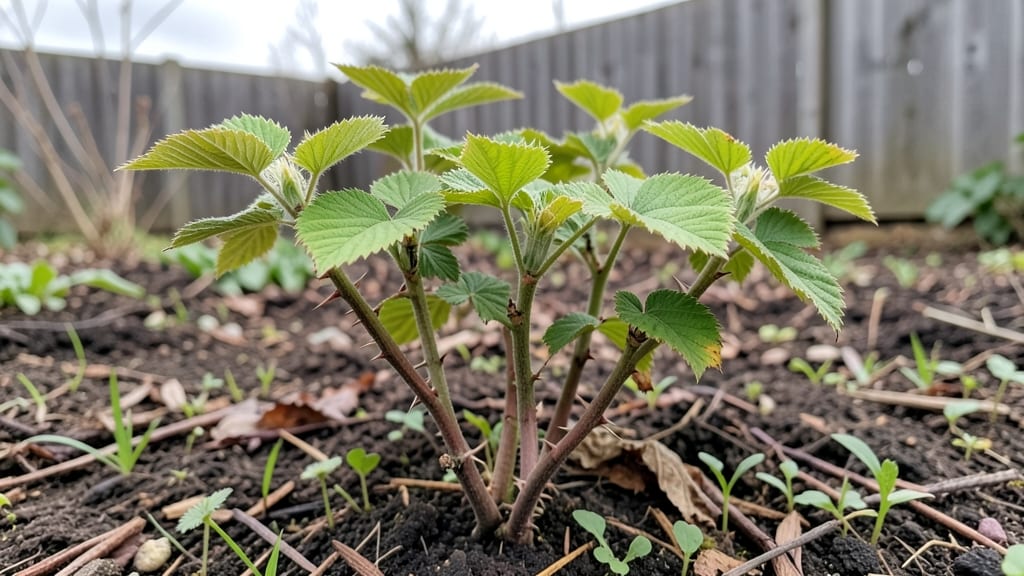
Growing a small raspberry plant that actually produces fruit feels like cheating the system—tiny plants with big harvest potential. 🌱 I’ve watched my 2-foot-tall raspberries outperform 6-foot canes every year, and it comes down to smart spacing, soil prep, and a few pruning tricks most gardeners miss.
The key isn’t just planting small; it’s setting them up to grow upward efficiently from day one.
You’ll need well-draining soil mixed with compost (think 60% soil, 40% organic matter), a sunny spot with at least 6 hours of light daily, and containers at least 18 inches deep if growing in pots.
Raspberries hate soggy roots but love consistent moisture—about 1 inch per week, more in summer heat. The first year is all about roots and canes; prune back any weak growth now to force stronger stems next season.
By late summer, you’ll see those signature thornless canes thicken and branch out, ready for winter. The real magic happens in year two: proper pruning in early spring (cut last year’s canes to the ground) turns those compact plants into fruit factories.
Imagine clusters of berries on canes you can reach without bending over—no more wrestling with overgrown brambles.
This works for summer-bearing varieties like ‘Heritage’ or ‘Boyne’ in containers or in-ground beds. For fall-bearing types, adjust pruning timing slightly. The secret? Treating them like dwarf fruit bushes from the start. Let’s get those canes growing strong!
📚 In This Guide
- What you need
- Instructions
- Tips and common mistakes
- Wrapping up and next steps
What you need
- ● Raspberry plant: 1-2 bare-root or potted small raspberry plants (choose summer-bearing or everbearing varieties like ‘Heritage,’ ‘Boyne,’ or ‘Carolina Gold’).
- ● Container or planting area: For containers: 1-2 5-gallon or larger pots (with drainage holes) or a raised bed (minimum 12” deep).
- ● For ground planting: A sunny spot with at least 6 hours of light daily and well-draining soil.
- ● Potting mix: 1 bag high-quality organic potting soil (or a blend of 60% garden soil + 40% compost for ground planting).
- ● Fertilizer: 1 balanced organic fertilizer (10-10-10 or 5-5-5) or compost for slow-release nutrients.
- ● Mulch: 2-3 inches of straw or wood chips to retain moisture and suppress weeds.
- ● Tools: 1 trowel or small shovel
- ● 1 pruning shears (for trimming canes)
- ● 1 watering can or hose with a gentle nozzle
- ● 1 trellis or stakes (4-6 ft tall) to support canes as they grow.
- ● 1 drip irrigation system or soaker hose for consistent watering.
- ● 1 plant tie or soft twine to secure canes to supports.
- ● 1 spray bottle with neem oil (for pest prevention).
- ● 1 pH testing kit (to ensure soil pH is 5.5–6.5).
Step-by-Step instructions for growing compact raspberry plants
Here’s how to coax those space-saving raspberries into thriving, berry-producing plants.
🌱 Step 1: Choose the Right Variety and Planting Site
Select a summer-bearing or everbearing dwarf variety like 'Heritage' or 'Raspberry Shortcake'—these stay under 3 feet tall and produce fruit without sprawling canes. Plant in a south-facing spot where they’ll get 6-8 hours of sun daily, but avoid areas where strong winds could snap young canes.
Raspberries need well-draining soil with a pH of 5.5-6.5. If your soil is heavy clay, mix in 2-3 inches of compost into the planting hole to improve drainage. I always test soil moisture first—stick your finger 2 inches deep. If it feels dry, wait to plant until after a good rain.
🪴 Step 2: Plant Correctly for Compact Growth
Dig a hole twice as wide as the root ball but only as deep as the container. Remove the plant from its pot and loosen any circling roots with your fingers—this encourages outward growth instead of a tangled mess. Place the root ball in the hole so the crown sits just above soil level (never buried).
Backfill with soil, pressing gently to eliminate air pockets, but don’t compact it too firmly. Water deeply until moisture seeps 4 inches down—you’ll know it’s right when the soil feels uniformly damp but not soggy. Mulch with 2 inches of straw to retain moisture and suppress weeds, but keep it 6 inches away from the crown to prevent rot.
☀️ Step 3: Prune for Bushier, Fruit-Filled Canes
In late winter or early spring, cut back all old canes to 6 inches tall using clean, sharp pruners. This might seem drastic, but it forces the plant to send up multiple new, sturdy canes instead of one leggy stem. I promise—your plant will look like a tangled mess at first, but by summer, you’ll have 4-6 strong canes ready to fruit.
During the growing season, watch for suckers (thin, weak shoots) at the base. Remove these immediately—they drain energy from your fruit-bearing canes. Keep only the thickest, upright canes (about 1-2 inches in diameter) and thin to 3-4 canes per plant to ensure maximum berry production.
💧 Step 4: Water and Feed for Consistent Harvests
Water deeply once a week (or more in extreme heat) until moisture reaches 6 inches down. Shallow watering leads to weak roots and poor fruit set. I test by sticking a screwdriver into the soil—if it comes out clean, water again. Avoid wetting the leaves to prevent fungal diseases like cane blight.
Fertilize in early spring with a balanced 10-10-10 formula (use 1 tablespoon per plant). Side-dress with 1 tablespoon of compost in mid-summer to replenish nutrients. Too much nitrogen makes lush foliage but few berries—stick to the recommended amounts.
✂️ Step 5: Harvest and Prune for Next Year’s Crop
Pick berries as soon as they ripen to encourage more production. Summer-bearing varieties fruit on second-year canes, so after harvest, cut those canes down to the ground. Everbearing types produce on both old and new wood—trim lightly to keep plants manageable. I always leave 2-3 of the strongest canes for next year’s fruit.
In fall, add 1-2 inches of compost around the base and mulch again. This protects roots from winter freeze-thaw cycles and gives your plants a nutrient boost for spring growth. With proper care, your compact raspberry patch will reward you with pounds of fruit in just a few seasons.
Tips & tricks for perfect small raspberry plants
Real talk: Growing compact raspberries isn't about luck—it's about these small details that make all the difference. Here's what nobody tells you about keeping those canes tidy and productive.
The Sunlight Secret: Those 6-8 hours of sun are non-negotiable, but here's the thing: morning sun is more important than afternoon. I've seen raspberries struggle in hot afternoon sun because the leaves burn. If your spot gets intense afternoon heat, consider a light shade cloth during peak hours—it won't hurt the fruit but will protect the leaves.
Root Ball Rescue: When you're loosening those circling roots in Step 2, don't just pull them apart—gently tease them outward with your fingers. This encourages outward growth instead of tangled messes. I've seen plants with roots so tightly bound they couldn't absorb water properly. Take your time here—it's worth the extra 30 seconds.
Pruning Precision: That 6-inch cut in Step 3 might seem harsh, but trust me on this: the new canes that emerge will be stronger and more productive. Here's my trick—mark the 6-inch point with a piece of tape before cutting. This gives you a visual guide and prevents uneven cuts that can invite disease. And always use clean, sharp pruners—dull blades crush stems and create entry points for infections.
Watering Wisdom: The 4 inches deep rule is spot-on, but here's what I do differently: I water in the morning so the leaves dry quickly. This prevents fungal spores from settling on wet foliage overnight. In extreme heat, I actually water twice a week—once in the morning and once in the evening—but I always check that screwdriver test first.
Pro Tips for Small Raspberry Plant
- Real talk: Growing compact raspberries isn't about luck—it's about these small details that make all the difference.
- The Sunlight Secret: Those 6-8 hours of sun are non-negotiable, but here's the thing: morning sun is more important than afternoon.
- Root Ball Rescue: When you're loosening those circling roots in Step 2, don't just pull them apart—gently tease them outward with your fingers.
Frequently asked questions
Got questions about nurturing your small raspberry plant? You’re not alone! Here are some of the most common queries—plus quick, actionable answers to keep your berries thriving.
How long does it take for a small raspberry plant to bear fruit?
A small raspberry plant typically takes 1–2 years to produce fruit, depending on the variety. Primocane-bearing types (like ‘Heritage’ or ‘Carolina Gold’) may fruit in the first year, while floricane types (like ‘Boyne’ or ‘Dorman Red’) usually wait until their second spring. Patience pays off—healthy plants reward you with sweeter berries over time!
Can I harvest raspberries from a tiny plant?
Yes! Even a small raspberry plant can yield a few berries, but avoid over-picking. Harvest only the largest, ripest berries to encourage more growth. If your plant is under 12 inches tall, focus on nurturing its roots and leaves—future harvests will thank you. Pro tip: Use scissors to snip stems cleanly, leaving a small “bump” to prevent disease.
Why aren’t my raspberries ripening? Troubleshooting tips.
If your small raspberry plant’s berries stay small or fail to ripen, check these fixes:
- Sunlight: Raspberries need 6–8 hours of full sun daily. Move potted plants to a sunnier spot or prune nearby shade-casters.
- Water: Drought stress stunts fruit. Keep soil consistently moist (but not soggy) during flowering and fruiting.
- Nutrients: Feed with a balanced fertilizer (10-10-10) in early spring, then switch to a high-phosphorus blend (like 5-10-10) when buds form.
- Pollinators: If bees are scarce, hand-pollinate with a soft brush to transfer pollen between flowers.
Are dwarf raspberry plants better for containers?
Dwarf or compact raspberry varieties
(like ‘Tulameen’ or ‘Anne’) thrive in containers, making them perfect for patios, balconies, or small gardens. Choose a pot at least 12–18 inches deep with drainage holes, and use a well-draining potting mix. Just remember: Container-grown plants may need more frequent watering and winter protection in cold climates.
Can I prune a small raspberry plant in its first year?
Yes, but lightly! Focus on removing:
- Dead or diseased canes (cut at the base).
- Overcrowded growth to improve airflow (aim for 3–5 strong canes).
Wrapping up and next steps
Growing a small raspberry plant doesn’t mean sacrificing a big harvest—it’s all about smart spacing, pruning, and care! With the right techniques, even compact varieties can thrive in containers, raised beds, or small gardens.
Whether you’re a beginner or a seasoned gardener, these growth hacks make it easy to enjoy sweet, juicy berries without the space.
Ready to turn your tiny plot into a raspberry paradise? Start with one plant, experiment with the tips you’ve learned, and watch your efforts pay off in delicious rewards. Happy planting! 🌱✨