
Companion Plants
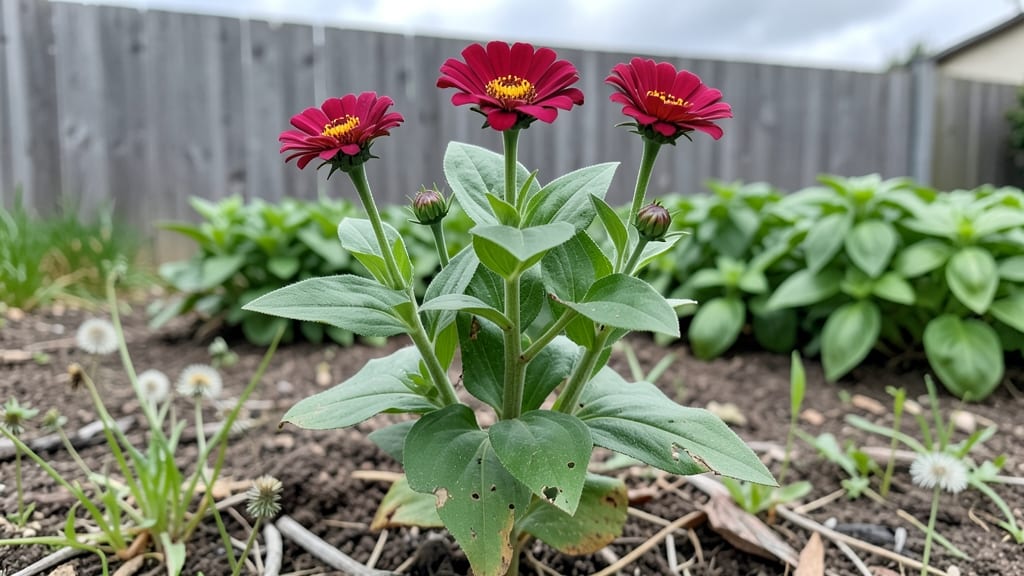
My small zinnia plants transformed my summer garden into a buzzing, colorful paradise—without taking over the space. These compact beauties pack a punch with their bright blooms and pollinator appeal, all while staying neatly contained.
The trick is starting with the right soil mix and spacing, which keeps them from stretching into unruly giants.
You’ll need a sunny spot with at least 6 hours of direct light daily, well-draining soil, and a pinch of patience for those first few weeks. I swear by starting seeds indoors 4-6 weeks before last frost—they germinate fast and grow quickly once transplanted.
The key to keeping them small? Regular deadheading and proper spacing—12-18 inches apart—so they don’t compete for nutrients.
By midsummer, you’ll have a cloud of tiny zinnia blooms in every color imaginable, drawing bees, butterflies, and hummingbirds to your garden. The flowers last all season if you keep up with deadheading, and the foliage stays lush and compact.
Even in small containers, these zinnias thrive—just make sure they get enough sunlight.
Fair warning: leggy seedlings are a common issue, but a little extra light and proper thinning solve that fast. Once established, these plants are nearly foolproof—just keep the soil moist but not soggy, and watch them flourish. Ready to turn your garden into a pollinator hotspot?
📚 In This Guide
- What you need
- Instructions
- Tips and common mistakes
- Wrapping up and next steps
What you need
- ● Zinnia seeds: Choose compact varieties like 'Thumbelina' or 'Crystal' (1–2 packets, ~50–100 seeds each).
- ● Well-draining potting mix: 1–2 bags (1–2 cubic feet each) for containers or seed-starting trays.
- ● Containers or garden bed: Containers: 4–6" pots (1–2 per plant) or a seed-starting tray with cells.
- ● Garden bed: A sunny spot (6+ hours of light) with loose, fertile soil.
- ● Watering can or hose: With a gentle spray nozzle for seedling care.
- ○ Plant labels (optional but helpful!): Wooden or biodegradable labels to track varieties.
- ○ Gloves (optional): To keep hands clean while handling soil.
- ● Trowel or small shovel: For transplanting seedlings into the ground.
- ● Fertilizer (low-nitrogen): 5-10-10 or balanced organic fertilizer (follow package rates).
- ○ Mulch (optional): Straw or shredded leaves to retain moisture.
- ○ Plant stakes or cages (optional): For taller varieties (e.g., 6" stakes for 'Thumbelina').
- ● Patience! Zinnias sprout in 7–14 days and bloom in 6–8 weeks.
- ● Consistent care: Water 1–2 times daily for seedlings, then taper to deep watering 2–3 times/week once established.
- ● Sunny spot: Zinnias thrive in full sun—no shade required!
Instructions for growing small zinnia plants from seed
Here’s how to nurture vibrant, compact zinnias that keep blooming all season long.
Prepare the Soil and Plant Seeds
Start by filling small pots or seed trays with 2-3 inches of well-draining potting mix. Zinnias thrive in loose, fertile soil, so avoid garden soil—it compacts too easily and can suffocate young roots. Moisten the mix until it feels like a damp sponge, but not soggy. Press it down lightly to create a firm surface for planting.
Scatter 3-4 zinnia seeds per pot, spacing them about ½ inch apart. Cover them with a thin layer of soil—just enough to hide the seeds completely. Gently pat the soil down to ensure good seed-to-soil contact. Place the pots in a warm spot, ideally at 70-75°F, since zinnias germinate best in warmth. You’ll see sprouts in 7-14 days, depending on your climate.
Provide Light and Water for Germination
Once seeds are planted, keep the soil consistently moist but never waterlogged. Use a spray bottle to mist the surface lightly—overwatering can cause seeds to rot before they sprout. Place the pots in a bright, indirect light spot, like a south-facing windowsill with filtered sunlight. Avoid direct sun until seedlings emerge, as intense heat can dry out the soil too quickly.
After 5-7 days, check for tiny green shoots. When they appear, move the pots to a location with 6-8 hours of sunlight daily. If using grow lights, position them 2-3 inches above the seedlings and keep them on for 12-14 hours per day. You’ll know the light is sufficient when seedlings grow sturdy and dark green, not leggy or pale.
Thin Seedlings and Transplant Outdoors
When seedlings develop 2-3 sets of true leaves (the second set after the initial cotyledons), it’s time to thin them. Use small scissors or your fingers to snip or gently pull the weakest seedlings, leaving the strongest 1-2 plants per pot. This prevents overcrowding and ensures each plant gets enough nutrients to grow strong.
Once seedlings are 3-4 inches tall and have 4-5 true leaves, they’re ready for transplanting. Choose a spot with full sun and well-draining soil. Dig small holes slightly deeper than the pots and space plants 6-8 inches apart. Water deeply after planting to help roots settle into the soil. Mulch around the base with 1-2 inches of organic mulch to retain moisture and suppress weeds.
Maintain Watering and Encourage Continuous Blooms
Water zinnias at the base of the plant in the morning to keep soil evenly moist but not waterlogged. Aim for 1 inch of water per week, adjusting for rain. Avoid wetting the leaves, as this can promote fungal diseases. You’ll notice the plants thriving when they develop compact, bushy growth and bright green foliage within 2-3 weeks of transplanting.
To keep zinnias blooming all season, deadhead spent flowers by pinching off faded blooms with your fingers or small pruners. This encourages the plant to produce more flowers instead of setting seed. Fertilize lightly every 4-6 weeks with a balanced 10-10-10 fertilizer to support steady growth. With proper care, your small zinnias will attract pollinators and add vibrant color to your garden for months.
Tips & tricks for growing small zinnia plants
These simple strategies will help you grow healthy, blooming zinnias that thrive all season long.
Soil Preparation: The 2-3 inches of well-draining potting mix is crucial for zinnia success. If you're using garden soil, mix it with perlite or vermiculite to improve drainage. I've found that adding a handful of compost to the potting mix gives seedlings a nutrient boost right from the start. The soil should feel like a damp sponge—if it drips water, it's too wet and can cause seed rot.
Germination Environment: Maintaining that 70-75°F temperature range is key for fast germination. If your home runs cooler, place the pots on top of your refrigerator or near a sunny window with a heating mat underneath. I've seen germination times double when seeds are kept too cold. Once sprouts appear, move them to bright indirect light immediately to prevent leggy growth.
Lighting Strategy: The 6-8 hours of sunlight daily requirement is non-negotiable for compact growth. If natural light is limited, supplement with grow lights positioned 2-3 inches above seedlings. I've noticed that seedlings under grow lights develop darker green leaves and stronger stems compared to those with insufficient light. Rotate pots daily to ensure even growth.
Transplanting Tip: When transplanting your 3-4 inch seedlings, handle them by the leaves rather than the stems to avoid damage. The slightly deeper planting holes help establish roots more securely. I've found that adding a time-release fertilizer tablet to each planting hole gives young zinnias an extra growth boost without overfeeding.
Pro Tips for Small Zinnia Plants
- These simple strategies will help you grow healthy, blooming zinnias that thrive all season long.
- Soil Preparation: The 2-3 inches of well-draining potting mix is crucial for zinnia success.
- Germination Environment: Maintaining that 70-75°F temperature range is key for fast germination.
Frequently asked questions
Got questions about growing or caring for your small zinnia plants?
You’re not alone! Here are answers to the most common queries—whether you’re a beginner or just looking for quick tips to keep your zinnias thriving and buzzing with pollinators.
How long does it take for small zinnia plants to bloom?
Most small zinnia varieties (like Thumbelina or Crystal) start blooming 6–8 weeks after sowing seeds when grown from seed. If you transplant seedlings, expect flowers in 4–6 weeks. Patience pays off—early blooms attract bees and butterflies right away! Pro tip: Deadhead spent blooms to encourage nonstop color.
Why aren’t my small zinnia plants flowering?
No flowers? Check these common culprits:
- Not enough sun: Zinnias need 6+ hours of direct sunlight daily. Move them to a sunnier spot.
- Overcrowding: Thin seedlings to 12–18 inches apart for better airflow and growth.
- Too much nitrogen: Fertilizers high in nitrogen promote leafy growth but not blooms. Use a low-nitrogen, high-phosphorus fertilizer instead.
- Leggy stems: If plants stretch tall and weak, they’re reaching for light. Stake them or transplant to a brighter area.
Still struggling? Small zinnia plants are tough—check for pests (like aphids) or root rot if stems feel mushy.
Can I grow small zinnias in containers?
Zinnias thrive in containers as long as you meet their needs:
- Use pots at least 6 inches deep and wide (bigger for multiple plants).
- Ensure drainage holes to prevent soggy roots.
- Choose a lightweight potting mix with added perlite for aeration.
- Place containers where they get full sun (even balconies or decks work!).
Pro tip: Dwarf varieties like Zahara or Crystal Mix are perfect for small spaces!
Are small zinnias good for pollinators?
You bet! Small zinnias are a pollinator powerhouse:
- Attract bees, butterflies, and hummingbirds with their bright blooms.
- Long bloom season (summer to frost) means steady food for pollinators.
- Low-maintenance—no need for fancy hybrids to support wildlife.
For extra buzz, pair them with cosmos, marigolds, or alyssum in your garden!
Do small zinnias come back every year?
Nope! Zinnias are annuals, meaning they complete their life cycle in one growing season. However, they self-seed easily—spent blooms drop seeds that sprout next year, giving you free plants! To encourage this:
- Let a few flowers go to seed before deadheading.
- Avoid disturbing the soil where they grow.
- In cold climates, collect seeds before frost for indoor storage.
Fun fact: Some gardeners swear their zinnias return bigger and bolder each year thanks to self-seeding!
Wrapping up and next steps
Growing small zinnia plants is a rewarding way to add vibrant color to your garden while supporting pollinators like bees and butterflies. These low-maintenance beauties thrive in various conditions, making them perfect for beginners and experienced gardeners alike.
Whether you’re planting from seeds or seedlings, their cheerful blooms will keep your space lively all season long!
Ready to get started? Pick your favorite zinnia variety and plant them today—your garden (and pollinators!) will thank you. 🌸🐝