
Companion Plants
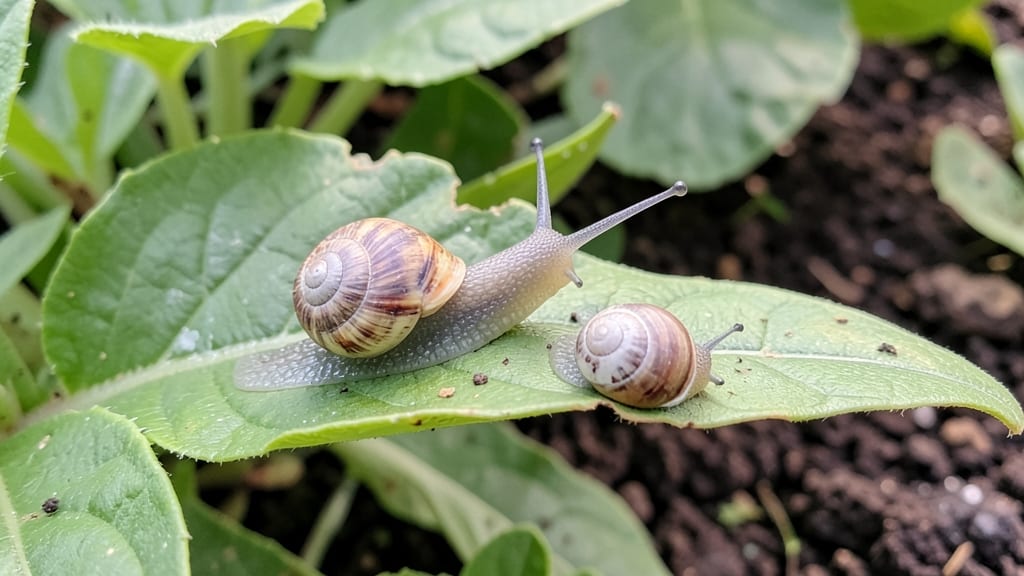
Snails on plants turn your garden into a buffet overnight, leaving behind telltale slime trails and ragged leaf edges. 🌿 I’ve lost count of the nights I’ve woken up to find my hostas looking like Swiss cheese, but these natural barriers changed everything—no more waking up to destruction.
The key is stopping them before they start. Copper tape around pots creates an invisible electric fence snails can’t cross, while crushed eggshells or diatomaceous earth form a gritty barrier they’ll avoid.
Even a simple beer trap (yes, really) catches dozens in a night. The best part? These methods work instantly without harming your plants or the birds that help keep populations in check.
You’ll see results within 24 hours—fewer slime trails, more intact leaves, and a garden that finally feels like yours again. The secret is consistency: check barriers weekly, remove eggs by hand, and keep mulch away from vulnerable stems. Before you know it, your garden will be snail-proof.
Works for containers, raised beds, and in-ground gardens alike. Once you’ve tried these, you’ll never reach for chemical slug bait again—and neither will the critters in your yard.
What Lures Snails to Your Garden
If you’ve spotted slimy trails or chewed leaves on your prized plants, you’re not alone—snails are drawn to gardens like a magnet. But why do they target your greenery in the first place?
The answer lies in a mix of environmental cues, plant chemistry, and even human habits. Understanding these triggers can help you outsmart these pests before they become a full-blown problem.
Snails thrive in damp conditions because their soft bodies lose moisture quickly in dry air.
If your garden retains water—whether from overwatering, poor drainage, or morning dew—you’re essentially rolling out the welcome mat for these pests. Why? Their slimy trails help them glide effortlessly across wet surfaces, and they need moisture to stay active and reproduce.
Actionable tip: Reduce standing water by improving soil drainage, watering in the early morning (so foliage dries by evening), and avoiding mulch piles that trap humidity. 💡 Pro tip: Use gravel or sand in high-risk areas to create a drier barrier.
Snails aren’t picky eaters, but they do have favorites—especially young, soft plants with high moisture content.
Leafy greens like lettuce, basil, and hostas are prime targets because their thin, water-rich leaves are easy to munch. Why? These plants offer quick hydration and easy digestion, making them a snail’s equivalent of fast food.
Actionable tip: Avoid planting susceptible crops near the ground or in shaded, humid spots. Opt for snail-resistant varieties (like rosemary, thyme, or marigolds) as natural deterrents. ✨ Bonus: Prickly plants like artichokes or raspberries can physically discourage snails from crawling over them.
Snails are nocturnal creatures, meaning they do most of their damage under the cover of darkness. Why? They avoid predators (like birds and lizards) and dry conditions during the day. If you’ve woken up to slime trails or half-eaten leaves, it’s a sign they’ve been feasting overnight.
Actionable tip: Install solar-powered motion lights or use reflective mulch (like aluminum foil) to disrupt their nighttime foraging. 🔥 Hot tip: A quick flashlight check after dark can reveal their hiding spots—like under pots, boards, or dense foliage.
Believe it or not, some of our gardening practices unintentionally create snail paradises. Overwatering, dense mulch layers, and even certain fertilizers (like nitrogen-heavy ones) can make your garden more appealing. Why? Excess moisture and organic matter provide the perfect breeding ground for snails and their eggs.
Actionable tip: Space out watering sessions, use compost in moderation, and avoid piling mulch too thickly against plant stems. 🎯 Key move: Remove debris and fallen leaves regularly—these hide egg sacs and shelter adult snails.
By addressing these key factors, you can make your garden less inviting to snails. The good news? Once you disrupt their ideal conditions, they’ll likely seek greener (and damper) pastures elsewhere. Stay tuned for natural barrier solutions to keep them at bay instantly!
Quick Fixes for Slug & Snail Damage
Discovering slime trails and chewed leaves on your plants can be frustrating, but the good news is that you can take action right now to protect your garden. The key is identifying the root cause—whether it’s moisture, shelter, or food—and applying the right solution.
Below, we’ve mapped out practical fixes for common scenarios, from immediate damage control to long-term prevention.
Before setting up barriers or traps, physically remove any visible snails and slugs. This step is critical to prevent further damage while you implement other strategies.
- 👨🍳 Handpick at night (when they’re most active) using gloves or a flashlight. Drop them into soapy water for a humane disposal.
- 🥘 Use a beer trap: Bury a shallow container filled with beer near affected plants. The yeast attracts them, and they drown—no harm to your garden!
- 🔪 Try a board trap: Place flat boards or cardboard near plants. Snails will hide underneath during the day; flip them over in the morning and dispose of them.
Snails and slugs thrive in damp, shady, or mulch-heavy areas. Adjusting these conditions can make your garden less appealing to them.
| Cause | Solution | Prevention Tip |
|---|---|---|
| Overly wet soil | Improve drainage with sand or gravel; water plants at the base (not overhead). | Install gutters to redirect rainwater away from garden beds. |
| Thick mulch layers | Reduce mulch depth to 2–3 inches; use coarse mulch (like pine straw) instead. | Opt for gravel or rocks in high-risk areas. |
| Shady, humid spots | Prune overhanging branches or add sunlight with reflective surfaces. | Plant sun-loving companions (like marigolds or lavender) to deter slugs naturally. |
Physical barriers are one of the most effective ways to stop snails before they reach your plants. Here are some of the best options:
- 💡 Copper tape or wire: Create a 1–2 inch high barrier around pots or garden beds. Snails dislike copper’s electrical charge and will avoid crossing it.
- 🌿 Crushed eggshells or diatomaceous earth: Sprinkle a ring around plants. The sharp edges deter slugs, but avoid overapplying to beneficial insects.
- ✨ Wood ash or coffee grounds: Scatter lightly around plants. The gritty texture and caffeine (in coffee) repel snails.
- 🥗 Wooden pallets or bricks: Prop them up around garden edges to create a snail-proof perimeter.
Strategically planting slug-resistant companions can reduce infestations naturally. Try these around vulnerable plants:
- Garlic, chives, or onions (strong scent deters slugs).
- Thyme, rosemary, or mint (aromatic herbs create a natural barrier).
- Geraniums or ferns (slugs avoid their textures).
Pro Tip: 💡 Avoid planting slug magnets like lettuce, hostas, or impatiens near your prized plants. If you must grow them, surround them with barriers.
Even after treating an infestation, stay vigilant:
- 🔍 Check plants weekly for new slime trails or damage, especially after rain.
- 🌧️ Adjust watering habits—morning watering reduces overnight humidity.
- 🌿 Rotate barriers every few weeks to prevent snails from adapting.
With these targeted solutions, you’ll see a noticeable difference in just a few days. The key is consistency—snails are persistent, but so are you! 🚀
Frequently asked questions
How do I know if snails are eating my plants?
Look for irregular holes along leaf edges (not clean cuts like insects) and silver slime trails on surfaces. Check under pots or boards during the day—they hide there when active at night. Early signs include wilted or ragged leaves on low-growing plants like lettuce or hostas.
Can I use coffee grounds to stop snails?
Yes! Sprinkle used coffee grounds in a 1-inch ring around plants—the caffeine and gritty texture repel snails. Refresh every few days after rain. For best results, combine with crushed eggshells (the sharp edges add extra deterrence). Avoid overapplying to soil, as it can alter pH over time.
Why do snails keep coming back after I remove them?
They’re drawn back by moisture, food, and shelter. Check for overwatering, thick mulch, or debris hiding egg sacs. Create a 2-inch copper tape barrier around beds and remove hiding spots (like boards or rocks). Snails can lay 50-100 eggs at a time—consistent checks are key!
Are there plants that naturally repel snails?
Plant garlic, rosemary, thyme, or marigolds near vulnerable plants—their strong scents mask plant odors snails seek. Geraniums and ferns also work as physical barriers. For containers, try mint or chives around edges. Just avoid slug magnets like lettuce or impatiens nearby.
Is it safe to use beer traps for snails?
Yes, beer traps are humane and effective! Bury a shallow container filled with beer near plants—snails are attracted to the yeast and drown. Replace every 2-3 days and empty in the trash (don’t pour back outside). For best results, place traps in shady, damp areas where snails hide during the day.