Companion Plants
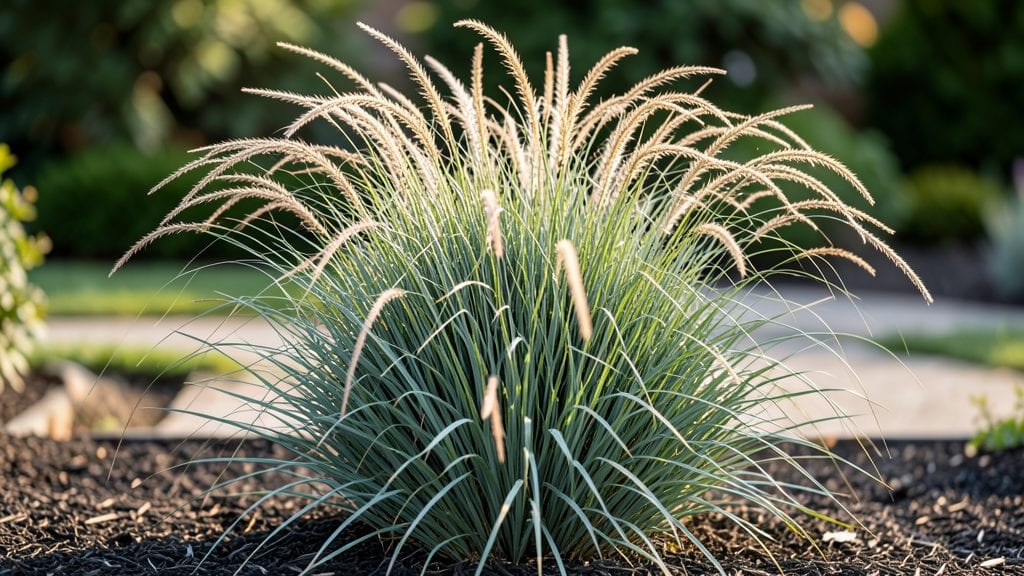
Straw-like plants bring texture and movement to gardens while keeping pests at bay. 🌿 I’ve used ornamental grasses and sedges to transform bare corners into lush, swaying displays that also deter insects naturally. The secret lies in their fibrous stems—tough yet flexible—which provide both beauty and function.
These plants thrive in well-drained soil with moderate sunlight, though some varieties tolerate shade. Most need minimal pruning—just snip back dead foliage in early spring to encourage fresh growth.
Varieties like fountain grass or purple moor grass add height and drama, while creeping sedges fill gaps with their low, spreading habit.
You’ll love how they soften hard edges and suppress weeds while requiring almost no maintenance. Their rustling leaves create a soothing soundtrack, and their pest-repelling properties mean fewer chemicals in your garden. Perfect for borders, slopes, or even container gardens.
Works in any climate zone, though cooler regions benefit from winter mulch. Start with just one variety to see how it fits before expanding—your garden will thank you.
📚 In This Guide
- What you need
- Instructions
- Tips and common mistakes
- Wrapping up and next steps
What you need
- ● Straw-like plants: 3–5 starter plants or seeds (e.g., strawberry runners, asparagus crowns, or sweet pea seeds).
- ● Well-draining soil: 5–10 gallons of compost-rich potting mix or garden soil (pH 6.0–7.0 for best results).
- ● Containers or garden bed: Containers: 5–10 gallon pots with drainage holes (for strawberries or asparagus).
- ● Garden bed: 4’x4’ space (minimum) with full sun (6+ hours/day).
- ● Organic mulch: 2–3 inches of straw, wood chips, or pine needles to retain moisture and deter pests.
- ○ Companion plants (optional but recommended): Basil, marigolds, or borage (to repel pests naturally).
- ● Nasturtiums (edible and pest-deterring).
- ● Garden tools: Trowel, pruners, and gloves (for handling thorny vines like asparagus).
- ● Watering can or hose: With a gentle spray nozzle for delicate seedlings.
- ● Fertilizer: Balanced organic fertilizer (e.g., 10-10-10) or compost tea for a nutrient boost.
- ● Pest control: Neem oil spray or diatomaceous earth (for organic pest prevention).
- ○ Trellis or stakes (optional): For vining plants like sweet peas or pole beans (2–3 ft tall).
Step-by-step guide to cultivating ornamental grasses and straw-like plants
Here’s how to grow lush, low-maintenance vines that double as pest deterrents and architectural accents.
🌱 Step 1: Select and Prepare Your Plants
Choose straw-like ornamental grasses (like fountain grass or maiden grass) or pest-repelling vines (such as rosemary geranium or lamb’s ear) for your space. These plants thrive in full sun to partial shade and need well-draining soil. If planting from bare-root stock, soak roots in lukewarm water for 30 minutes before handling—this jumpstarts hydration and reduces transplant shock.
Dig holes twice as wide as the root ball but only as deep. Loosen the sides of the hole with a trowel to encourage root spread. If your soil is heavy clay, mix in 2-3 inches of compost at the bottom to improve drainage. Here’s the thing—straw-like plants hate soggy roots, so amending clay soil is worth the extra effort.
🪴 Step 2: Plant and Stake for Structure
Place the plant in the hole, ensuring the top of the root ball sits level with the surrounding soil. Fill gaps with native soil, pressing gently to eliminate air pockets. For taller varieties (like fountain grass), insert 3-foot bamboo stakes around the plant and loosely tie stems with soft plant ties—this prevents flopping in wind or rain.
Water deeply right after planting to settle the soil and eliminate gaps. You’ll see water pooling at the base—this is normal, but it should drain within 10-15 minutes. If it sits longer, your hole needs deeper amending. Mulch with 2-3 inches of shredded bark around the base, keeping it 3 inches away from the stem to prevent rot.
☀️ Step 3: Position for Sunlight and Airflow
Most straw-like plants need 6-8 hours of direct sunlight daily for their signature upright growth. Place them where they’ll receive morning sun and afternoon shade if your climate is hot—this prevents leaf scorch. If growing vines, train them along trellises or fences using soft twine to guide growth without damaging stems.
Space plants 18-24 inches apart for airflow, which is critical—stagnant air encourages fungal diseases like powdery mildew. You’ll notice healthier foliage and fewer pest issues when plants aren’t crowded. For pest-repelling varieties, interplant with marigolds or lavender to create a natural barrier against aphids and deer.
💧 Step 4: Water and Fertilize Strategically
Water deeply once a week (or more in extreme heat) until soil 3 inches down feels moist. Straw-like plants are drought-tolerant once established, but young plants need consistent moisture. The key is watering at the base—avoid overhead sprinkling, which can spread fungal spores. You’ll see wilting leaves if underwatered, but they’ll bounce back quickly with a deep soak.
Fertilize in early spring with a balanced 10-10-10 formula, applying ½ cup per plant. Skip summer feeding—too much nitrogen now leads to weak stems and attracts pests. Instead, side-dress with compost in fall to build soil health for next season. Real talk: Over-fertilizing is the fastest way to kill these plants—they prefer lean conditions.
✂️ Step 5: Prune and Maintain Year-Round
Cut back dead or brown foliage in early spring before new growth emerges. For clumping grasses, trim one-third of the plant at a time to encourage bushiness. If growing vines, prune after flowering to redirect energy to next year’s growth. Use clean, sharp shears—dull blades tear stems, inviting disease.
Divide mature clumps every 3-4 years in early spring. Dig up the plant, separate the root ball into 3-inch sections, and replant immediately. This rejuvenates growth and prevents overcrowding. Watch for pests like spider mites—a strong spray of water in the morning usually knocks them off before they take hold.
Tips & tricks for perfect straw-like plants
A few key strategies will help you cultivate thriving ornamental grasses and pest-repelling vines that look stunning year after year.
Soaking Roots is Non-Negotiable: That 30-minute lukewarm water soak in Step 1 isn't just helpful—it's essential for bare-root plants. I've seen too many gardeners skip this step and end up with transplant shock. The roots need this hydration boost to establish quickly. Pro tip: Use room-temperature water, not cold, as cold water can actually shock the roots further.
Drainage is Everything: When amending clay soil with 2-3 inches of compost, don't just dump it in—mix it thoroughly with the native soil. Straw-like plants will show you their appreciation by growing vigorously rather than sitting in soggy soil. I've had to dig up plants that were struggling because they were planted in unamended clay, and the difference after proper amending is night and day.
Watering Wisdom: The 10-15 minute drainage test after planting is your best friend. If water pools beyond that time, you know you need to amend deeper. For established plants, water deeply once a week until soil 3 inches down feels moist—that means your finger should come out with light resistance, not dripping wet. Overhead watering is a common mistake that spreads fungal spores, so always water at the base.
Pruning Precision: When trimming one-third of clumping grasses at a time, work from the oldest growth outward. This encourages new shoots to emerge from the base. For vines, that post-flowering prune is crucial—it redirects the plant's energy to next year's growth rather than seeding. I've seen vines become leggy and sparse when this step is skipped, so don't overlook it.
Pro Tips for Straw Like Plants
- A few key strategies will help you cultivate thriving ornamental grasses and pest-repelling vines that look stunning year after year.
- Soaking Roots is Non-Negotiable: That 30-minute lukewarm water soak in Step 1 isn't just helpful—it's essential for bare-root plants.
- Drainage is Everything: When amending clay soil with 2-3 inches of compost, don't just dump it in—mix it thoroughly with the native soil.
Frequently asked questions
Got questions about growing and using straw-like plants? You’re not alone! Here are some of the most common queries—plus quick, practical answers to help you thrive.
What are the best straw-like plants for pest control?
Top picks include comfrey, stinging nettle, and horseradish. These powerhouses naturally repel pests like aphids, squash bugs, and even rabbits. Plant them near vulnerable crops (e.g., tomatoes, cucumbers) for a low-maintenance shield.
How long does it take for straw-like plants to establish and start working?
Most pest-repelling vines (like nasturtiums or sunflowers) show benefits within 4–6 weeks of planting. Woody perennials (e.g., comfrey) take 1–2 years to fully mature but offer long-term protection. Patience pays off—think of them as living mulch!
Can I use straw-like plants as mulch instead of straw?
Chopped comfrey, clover, or stinging nettle make excellent mulch—they suppress weeds, retain moisture, and even boost soil fertility as they decompose. Just avoid plants with aggressive roots (like mint) near delicate crops.
What if pests ignore my straw-like plants?
If bugs are undeterred, try rotating plants annually or combining them with garlic or marigolds for a stronger repellent combo. Some pests (like deer) may still nibble—use physical barriers (e.g., fencing) as backup.
Are straw-like plants safe for edible gardens?
Yes! Many (e.g., nasturtiums, sunflowers) are edible and non-toxic. Just avoid stinging nettle (wear gloves when handling) or horseradish (can spread aggressively). Research each plant’s edibility and growth habits before planting.
Wrapping up and next steps
From ornamental vines to natural pest deterrents, straw-like plants are a gardener’s secret weapon—adding texture, beauty, and function to any space! 🌿 Whether you’re drawn to their aesthetic appeal or their practical benefits, these versatile companions make gardening easier and more rewarding.
Ready to transform your garden? Start small: pick one plant from this list, experiment with pairings, and watch your green space thrive with minimal effort!
🌱 Pro Tip: Next Steps
- Test a patch: Dedicate a small garden bed to straw-like plants and observe their growth and pest-repelling effects.
- Expand gradually: Once you see success, introduce more varieties or scale up your companion planting.
- Share your wins: Snap photos of your thriving garden and tag us—we love seeing your green thumbs in action!