Flowers
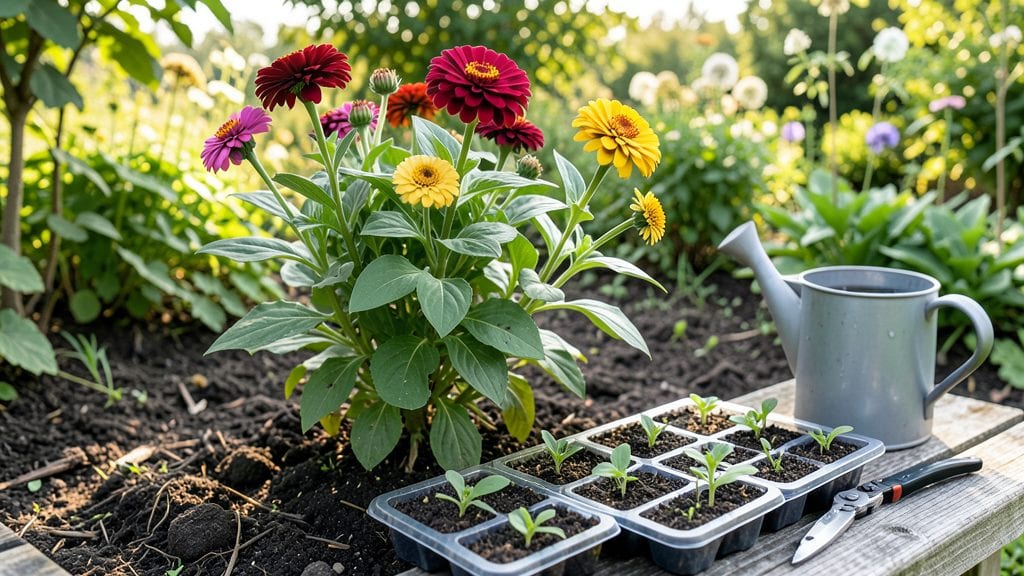
Succession planting flowers isn’t just a technique—it’s the secret to a garden that never stops blooming. 🌸 I’ve turned my once-sparse summer borders into a nonstop parade of color by planting flowers in waves, each variety taking over as the last one fades.
The result? A garden that looks intentional, not seasonal.
Start with a mix of early, mid, and late-season bloomers like sweet alyssum, zinnias, and cosmos. Plant the first batch in early spring, then follow with shorter-lived varieties every 4-6 weeks. A 4-foot border can hold 12-15 plants staggered this way, ensuring no bare patches or color gaps.
The key is matching bloom times to sunlight exposure—tall flowers in back, short ones up front, and fillers in between.
By late summer, you’ll have a garden that feels like a living painting, with petunia purple fading into salvia red and then giving way to golden marigolds.
The best part? Less deadheading and more enjoyment—because your flowers are always performing. Here’s how to map out your first succession-planted bed without the guesswork.
This works for containers too: just swap out spent annuals every 6 weeks. The only rule? Never let a single variety dominate for more than 8 weeks. Your neighbors will ask how you do it—now you’ll know the trick.
📚 In This Guide
- What you need
- Instructions
- Tips and common mistakes
- Wrapping up and next steps
What you need
- ● Flower seeds or seedlings: Choose a mix of fast- and slow-growing varieties (e.g., zinnias, marigolds, cosmos, and snapdragons). Aim for 3–5 different types to ensure continuous blooms.
- ● Well-draining potting soil or garden soil: At least 2–3 cubic feet per planting session (or enough to fill raised beds/containers). Opt for a blend with compost for nutrients.
- ● Organic fertilizer (balanced or bloom-specific): A 10-10-10 or 5-10-10 formula works well. Follow package instructions for application rates.
- ● Mulch: Straw, shredded leaves, or wood chips (1–2 inches) to retain moisture and suppress weeds.
- ● Hand trowel or transplanting spade (for precision planting).
- ● Garden gloves (to protect your hands from thorns or soil).
- ● Watering can or hose with a gentle spray nozzle (avoid blasting seedlings!).
- ● Measuring tape or ruler (to space seeds/seedlings correctly—check seed packets for guidelines).
- ● Plant labels or markers (to track varieties and planting dates).
- ● Seedling trays or biodegradable pots (for starting seeds indoors 4–6 weeks before the last frost).
- ● Row covers or shade cloth (to protect young plants from pests or harsh sun).
- ● Pruning shears (for deadheading spent blooms and encouraging new growth).
- ● Garden journal (to log planting dates, weather notes, and bloom cycles for future reference).
How to plan a staggered flower garden that blooms nonstop
Here’s the system I’ve used for years to create gardens that never look bare.
🌱 Step 1: Group Flowers by Seasonal Timing
Start by organizing flowers into three groups based on bloom time: early spring, mid-season, and late summer/fall. Early bloomers like pansies and sweet peas go in first, followed by zinnias and marigolds for mid-season color, and then cosmos and asters for late-season flair. This ensures no gaps in your garden’s show.
Check seed packets or plant tags for bloom dates—this is your roadmap. I always make a simple chart to visualize the progression. For example, if your zone’s last frost is March 15, plant early bloomers like snapdragons in late February. Mid-season flowers like petunias go in after the soil warms to 55°F, and late bloomers like sunflowers can wait until May.
🌿 Step 2: Space Plants in Waves
Instead of planting everything at once, divide your garden into sections and plant each group 2-3 weeks apart. This creates a rolling effect where one section is always in bloom. For example, if you have a 4-foot-by-4-foot bed, plant early bloomers in one corner, mid-season flowers in the center, and late bloomers along the back edge.
Use a string or garden hose to mark planting zones. I like to stagger rows by 12-18 inches so that as one group finishes blooming, the next is already filling in. This also prevents overcrowding—succession planting isn’t just about timing, it’s about giving each plant room to thrive.
⏰ Step 3: Schedule Deadheading and Seed Collection
After the first flush of blooms fades, deadhead spent flowers to encourage a second round of blooms. For annuals like zinnias, this means pinching off faded blooms every 3-5 days. For perennials like coneflowers, I let some seed heads mature to collect seeds for next year’s succession planting.
Here’s the trick: as you deadhead, watch for new buds forming at the base of the plant. This is your signal that the plant is ready for another round of blooms. I always keep a small notebook to track which plants rebloom reliably—this helps me plan future gardens even better.
☀️ Step 4: Adjust Watering for Staggered Growth
Young seedlings need consistent moisture, but as plants mature, they develop deeper roots and become more drought-tolerant. Water new transplants daily until they’re established, then taper to every other day once they’re 4-6 inches tall. Mature plants in full bloom only need watering when the soil feels dry 2 inches down.
Use a soaker hose or drip irrigation to deliver water directly to the roots. This prevents waste and keeps foliage dry, which reduces the risk of fungal diseases. I set up my irrigation system to run in the early morning so plants have all day to dry off.
🪴 Step 5: Rotate and Refresh for Continuous Color
Every 6-8 weeks, assess which flowers are finishing their bloom cycle. Pull up spent annuals and replace them with new seedlings or seeds. For example, if your early spring pansies are fading by late April, swap them out for marigolds or nasturtiums. This keeps your garden looking fresh without gaps.
I also save seeds from my best-performing flowers to replant the following year. For instance, if cosmos self-seeds reliably in my garden, I let some plants go to seed and collect them for next season. This cuts costs and ensures I always have my favorite varieties on hand.
Tips & tricks for perfect succession planting flowers
Here's what nobody tells you about keeping your garden vibrant throughout the entire growing season.
Seasonal Timing is Everything: Pay special attention to your local last frost date and soil temperature thresholds like the 55°F mark mentioned in Step 1. I've learned the hard way that planting too early can result in frost damage—always verify bloom dates on seed packets. For reliable results, I recommend checking your local cooperative extension service for zone-specific planting charts.
Visual Planting Layout: When creating your staggered sections in Step 2, consider using different heights and colors to create visual interest. Taller flowers like sunflowers should go in the back, while shorter varieties like pansies work well in the front. This not only creates a beautiful layered effect but also helps prevent overcrowding as plants mature. A simple sketch before planting can save you from costly mistakes.
Deadheading Discipline: The 3-5 day deadheading schedule in Step 3 is crucial for encouraging rebloom. I've found that using clean, sharp pruners makes this task much easier and less messy. For flowers that don't rebloom well, like many dahlias, I focus on collecting seeds from the first flush of blooms to ensure next year's succession planting success.
Watering Wisdom: The transition from daily watering to every other day in Step 4 can be tricky. I recommend using a moisture meter to check soil dryness at the 2-inch depth mentioned. This helps prevent both underwatering and overwatering, which can lead to root rot. Early morning watering is especially important in humid climates to allow foliage to dry quickly and reduce disease risk.
Pro Tips for Succession Planting Flowers
- Here's what nobody tells you about keeping your garden vibrant throughout the entire growing season.
- Seasonal Timing is Everything: Pay special attention to your local last frost date and soil temperature thresholds li...
- Visual Planting Layout: When creating your staggered sections in Step 2, consider using different heights and colors ...
Frequently asked questions
Got questions about keeping your garden in full bloom year-round?
Here are answers to the most common queries about succession planting flowers—plus a few pro tips to help you troubleshoot like a pro.
What does "succession planting" mean for flowers?
Succession planting means staggering flower varieties so that as one blooms fades, another takes its place. Think of it like a nonstop parade of color! For example, plant sweet alyssum in early spring, swap it for pansies in late spring, then transition to marigolds in summer. This keeps your garden vibrant without gaps.
When is the best time to start succession planting flowers?
Start planning in early spring, but timing depends on your climate. In cooler regions, begin with cold-hardy flowers like calendula or lobelia in March or April. In warmer zones, you can plant heat-lovers like zinnias or cosmos as early as February. Monitor frost dates and soil temps to time it right!
Can I succession plant annuals and perennials together?
Annuals (like petunias) are perfect for succession planting because you can replace them easily. Perennials (like coneflowers) can also work if you interplant them with fast-growing annuals. For example, tuck nasturtiums between black-eyed Susans—the annuals will bloom first, then fade as the perennials take over.
What if my flowers don’t bloom as expected?
If blooms are sparse or nonexistent, check these fixes:
- Deadhead regularly to encourage new growth.
- Ensure full sun (6+ hours/day) for most flowers.
- Water consistently—drought stress stunts blooms.
- Fertilize lightly with bloom-boosting formulas (like 5-10-5).
What are some easy, low-maintenance flowers for beginners?
Start with these foolproof picks:
- Zinnias – Fast-growing, colorful, and great for cutting.
- Sunflowers – Stagger plantings for continuous height and blooms.
- Nasturtiums – Edible, pest-repellent, and thrive in poor soil.
- Cosmos – Drought-tolerant and self-seeds easily.
Wrapping up and next steps
Succession planting flowers isn’t just a gardening trick—it’s your secret weapon for a nonstop parade of color that keeps your garden lively from spring to frost! By strategically timing plantings and overlapping blooms, you create a dynamic, ever-changing display that attracts pollinators and delights your senses.
The best part? It’s easier than you think, and the rewards—longer seasons of beauty and healthier plants—are totally worth the effort.
Ready to put your new skills to work? Start small this season: pick one bed or container, choose a trio of complementary flowers, and test a simple rotation. Before you know it, you’ll be a succession-planting pro—turning your garden into a year-round masterpiece! 🌸✨