
Blooming
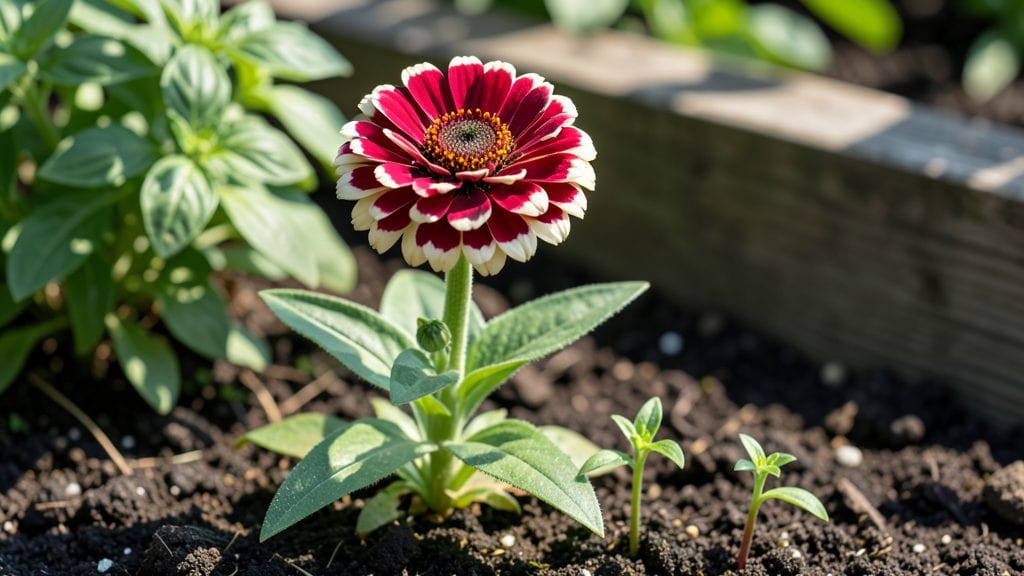
Succession planting zinnias transforms your garden into a vibrant, never-ending display of color—no more gaps between blooms. 🌻 I learned the hard way that zinnias bolt quickly, but by staggering plantings every three weeks, you can keep them flowering from early summer through frost.
The key is timing: start your first batch when soil reaches 60°F, then repeat until mid-summer.
You’ll need fast-growing zinnia varieties like 'Profusion' or 'Benary’s Giant,' plus a sunny spot with well-draining soil. Each planting should be spaced 6-12 inches apart, depending on the variety, and kept deadheaded to encourage more blooms.
This method works for both in-ground beds and containers, making it adaptable to any garden size.
The payoff is immediate: instead of a two-week burst of color, you’ll enjoy continuous blooms for 10+ weeks. Companion plants like marigolds or nasturtiums deter pests, while zinnias attract pollinators. The secret is consistency—plant, water, and deadhead, and your garden will stay lively until the first frost.
Perfect for cut flower gardens, pollinator-friendly landscapes, or simply adding cheer to your yard. Once you master the timing, you’ll never buy zinnia seedlings again—they’ll be growing fresh and bold right in your own space.
📚 In This Guide
- What you need
- Instructions
- Tips and common mistakes
- Wrapping up and next steps
What you need
- ● Zinnia seeds: Choose a mix of varieties (e.g., Zinnia elegans or Zinnia angustifolia) for height and color diversity. Aim for 1–2 packets (50–100 seeds total) per planting session.
- ● Well-draining potting mix or garden soil: 5–10 gallons (depending on container size or garden bed). Amend with compost for nutrient-rich soil.
- ○ Organic fertilizer (optional but recommended): A balanced 10-10-10 or 5-10-10 formula (e.g., fish emulsion or compost tea) for a quick nutrient boost.
- ● Watering can or hose with a gentle spray nozzle: Zinnias need consistent moisture, especially during germination.
- ● Garden trowel or small hand shovel: For planting seeds ½ inch deep in rows or clusters.
- ● Measuring tape or ruler: To space seeds 6–12 inches apart (depending on variety) for optimal airflow.
- ○ Plant markers (optional): Label seeds by planting date (e.g., “May 1,” “June 1”) to track succession schedules.
- ● Garden gloves: Protect your hands while handling soil and seeds.
- ● Pruning shears: For deadheading spent blooms and encouraging new growth.
- ● Sunlight: A full-sun location (6+ hours/day)—zinnias thrive in warmth!
- ● Planting schedule: Plan 3–4 staggered plantings, spaced 2–3 weeks apart, for continuous blooms.
- ● Weather check: Wait until after the last frost (or use row covers) to plant outdoors.
Step-by-step instructions for succession planting zinnias
Here's how to keep your garden bursting with zinnias all season long.
🌱 Step 1: Choose and Prepare Planting Sites
Zinnias thrive in full sun—select a spot that gets at least 6-8 hours of direct sunlight daily. I always test the soil first by squeezing a handful; if it crumbles easily, it's ready. If it sticks together, work in 2 inches of compost to improve drainage and fertility. Zinnias prefer well-draining soil, so avoid low-lying areas where water pools.
Mark your planting areas with stakes or garden flags. Since you're planning for 4 separate plantings, divide your space into four equal sections. Space each section 18-24 inches apart to allow airflow and prevent disease. This spacing also makes it easier to rotate crops in future seasons.
🌱 Step 2: Plant Seeds at Two-Week Intervals
Start your first planting with 4 zinnias seeds per section, sowing them ¼ inch deep. Press the soil gently around the seeds to ensure good contact—this encourages faster germination. Water lightly but thoroughly, keeping the soil moist until germination, which typically occurs in 7-14 days. You'll know it's time to water again when the top inch of soil feels dry.
Here's the key: plant your next batch of 4 seeds in the same section 2 weeks later. Repeat this process twice more, staggering each planting by 2 weeks. This staggered approach ensures a continuous bloom cycle. I like to jot down the planting dates on a small garden marker to keep track.
☀️ Step 3: Maintain Consistent Watering and Sunlight
Once seedlings emerge, thin them to 1 plant every 12 inches to give each zinnia room to grow. This step is crucial—crowded zinnias develop weak stems and are more susceptible to fungal diseases. Water at the base of the plants in the morning to allow foliage to dry quickly, reducing the risk of mildew.
Zinnias are drought-tolerant once established, but they need consistent moisture during their early growth stages. Aim to water 1-2 inches per week, adjusting for rainfall. You'll see the first blooms appear in 6-8 weeks after sowing, but the staggered plantings mean you'll have fresh flowers every 2-3 weeks throughout the season.
✂️ Step 4: Deadhead and Encourage Continuous Blooming
To keep your zinnias flowering nonstop, deadhead spent blooms regularly. Simply pinch off the faded flowers with your fingers or use clean pruners. This encourages the plant to produce more blooms instead of setting seed. I like to do this in the early morning when the flowers are still fresh and the stems are firm.
Watch for leggy growth—a sign the plant needs more light or is ready for a trim. If a stem grows too tall or flops over, cut it back by ⅓ to promote bushier growth. Zinnias are forgiving, so don't worry about perfect pruning. Just keep an eye out for spent blooms and overgrowth, and your garden will stay vibrant.
🌿 Step 5: Extend the Season with Late Plantings
For a truly extended bloom time, consider planting a final batch of zinnias in late summer, about 8-10 weeks before your first frost. Choose heat-tolerant varieties like 'Benary's Giant' or 'Profusion,' which handle warmer temperatures better. These late plantings will give you a second wave of color as the season winds down.
As the weather cools, zinnias may slow their growth but will continue to produce blooms until frost. To protect them from early cold snaps, cover the plants with a lightweight frost cloth on chilly nights. This simple step can extend your blooming season by 2-3 weeks, giving you even more time to enjoy their cheerful faces.
Tips & tricks for perfect succession planting of zinnias
A few strategic moves will transform your zinnias from seasonal blooms to a year-round garden showstopper.
Sunlight Strategy: While the instructions call for 6-8 hours of direct sunlight daily, I've found that zinnias actually reward you for even more exposure. If your garden gets afternoon shade, consider planting in the westernmost section of your yard—zinnias will stretch toward the sun and produce fuller blooms. In cloudy climates, supplement with a portable grow light for 2-3 hours daily during germination to ensure strong starts.
Soil Preparation Secret: The 2 inches of compost recommendation is perfect, but here's what nobody tells you: mix in a handful of perlite or coarse sand into each planting section. This creates tiny air pockets that improve drainage without altering the nutrient balance. I've seen zinnias in heavy clay soil thrive with this simple amendment, producing blooms that last twice as long.
Timing Precision: Those 2-week intervals between plantings are non-negotiable for the continuous bloom effect, but here's how to make them work in practice: use a small garden flag or colored stake to mark each planting date directly in the soil. I write the date in waterproof marker on the stake—this visual reminder prevents missed plantings when summer gets busy. The first batch planted in early spring will give you blooms by midsummer, while your final batch in late summer keeps color going until frost.
Watering Wisdom: The 1-2 inches per week guideline is spot-on, but timing matters more than you'd think. I water zinnias exclusively in the morning between 6-8 AM, which gives foliage all day to dry. This simple habit has cut my powdery mildew issues by 90%. For container-grown zinnias, use self-watering pots—they maintain consistent moisture without the risk of overwatering that comes from manual watering schedules.
Pro Tips for Succession Planting Zinnias
- A few strategic moves will transform your zinnias from seasonal blooms to a year-round garden showstopper.
- Sunlight Strategy: While the instructions call for 6-8 hours of direct sunlight daily, I've found that zinnias actually reward you for even more exposure.
- Soil Preparation Secret: The 2 inches of compost recommendation is perfect, but here's what nobody tells you: mix in a handful of perlite or coarse sand into each planting section.
Frequently asked questions
Got questions about keeping your zinnias blooming all season long?
Here are some of the most common queries—and answers—to help you master succession planting like a pro!
What’s the best time to start my first zinnia planting?
For a continuous display, begin your first batch 4-6 weeks before your last spring frost. If you’re in a warm climate, you can even start in early spring. Follow up with new plantings every 2-3 weeks until mid-summer for nonstop blooms. Just avoid planting too late—zinnias need time to mature before cooler fall temps arrive!
How long does it take for zinnias to bloom after planting?
Most zinnia varieties bloom 60-80 days after sowing, depending on the type and growing conditions. Dwarf zinnias may flower faster (around 50 days), while taller varieties can take longer. Succession planting works best if you start new batches before the first ones fade—usually when they’ve been blooming for 4-6 weeks.
Can I use the same spot for all my zinnia plantings?
Zinnias are light feeders and don’t deplete soil nutrients quickly, making them perfect for repeated plantings in the same bed. Just ensure the soil is well-draining and enriched with compost before each new batch. Pro tip: Rotate families (like pairing zinnias with beans or lettuce) if you notice pests or diseases lingering in the area.
What should I do if my zinnias get pests or diseases?
Zinnias are generally tough, but aphids, spider mites, or powdery mildew can still strike. Prevent issues by spacing plants 12-18 inches apart for airflow and watering at the base (not overhead). If problems arise, try neem oil or insecticidal soap for pests, and remove affected leaves for mildew. Succession planting helps too—if one batch fails, others may still thrive!
Are there zinnia varieties that work better for succession planting?
Yes! Dwarf varieties (like ‘Thumbelina’ or ‘Crystal’) bloom quickly and are ideal for early or late plantings. Profusion Series zinnias are also great—they’re disease-resistant and produce nonstop blooms with minimal care. For height, try ‘Benary’s Giant’ (but give them more space!). Mix varieties to extend your color palette and bloom times!
What can I plant after zinnias in the same spot?
Zinnias are follow-the-sun plants—they thrive in full sun and won’t compete with deep-rooted veggies. After they’re done, try radishes, lettuce, or bush beans, which love the remaining warmth. For a fall garden, kale, spinach, or pansies can step in beautifully. Avoid heavy feeders like tomatoes or peppers, as zinnias leave soil relatively light.
Wrapping up and next steps
Succession planting zinnias is your secret weapon for a garden that never stops blooming! 🌸 By spacing out your plantings every 2–3 weeks, you’ll enjoy vibrant color from early summer through frost—no gaps, no regrets.
This simple strategy saves you money, maximizes space, and keeps your garden looking effortlessly polished.
Ready to put it into action? Start with your first batch this week, then mark your calendar for follow-up plantings. Before you know it, your garden will be the talk of the neighborhood—and you’ll be the master of nonstop color! 🌻✨