Size
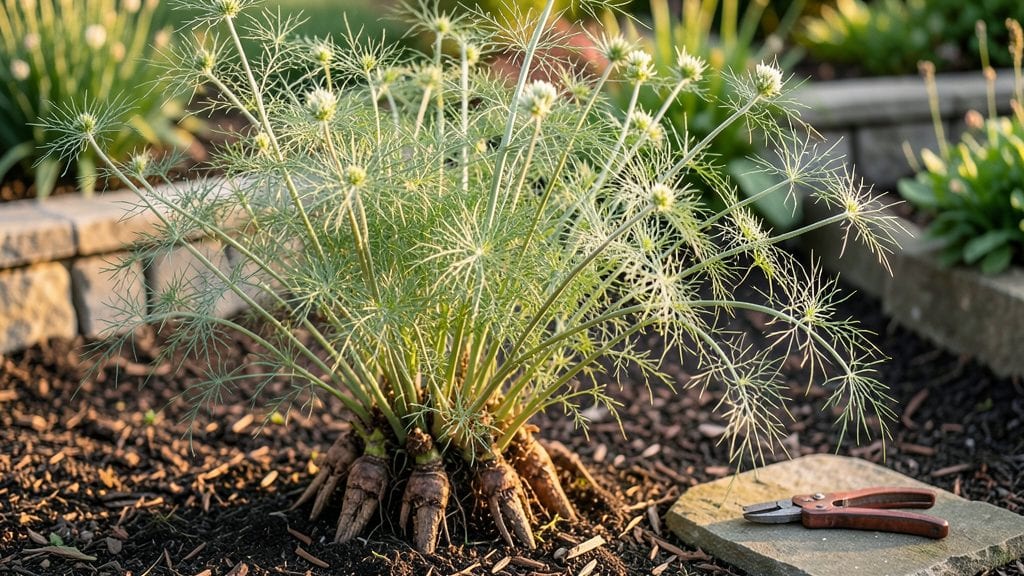
Growing a tall asparagus plant 🌱 can transform your garden into a towering green powerhouse, with spears reaching heights you never thought possible.
Imagine harvesting asparagus spears taller than your average garden fence—6 feet of lush, edible green power—without sacrificing yield or space. With the right training techniques, you can turn your asparagus patch into a vertical garden marvel, outsmarting traditional row planting for bigger harvests in the same footprint.
Most gardeners assume asparagus stays low to the ground, but with proper support and care, these plants can grow twice as tall as their wild cousins.
The key lies in soil prep, strategic spacing, and smart pruning—all of which I’ll break down so you can maximize height without crowding your garden.
Ready to grow asparagus that reaches for the sky? I’ll walk you through everything from selecting the right variety to setting up supports and keeping your plants thriving for years to come.


How to train asparagus stems vertically for maximum height
Training asparagus spears to grow vertically isn’t just about aesthetics—it’s a game-changer for yield and space efficiency. When you guide these plants upward, you create an environment where spears grow taller (up to 6 feet) while reducing competition for nutrients and sunlight.
The key lies in selecting the right support structures and timing your interventions correctly to avoid stressing the plants.
Vertical training works best with healthy, established asparagus plants (typically in their second or third year). The goal is to encourage upward growth without overcrowding the crowns, which can lead to disease or reduced harvests.
By using trellises, stakes, or cages, you’ll not only maximize height but also make harvesting easier—no more bending over!
Step-by-Step Guide to Training Tall Asparagus
-
Step 1: Select Strong Spears
Choose 3-5 of the healthiest spears per plant in early spring (when they reach 6-8 inches). Avoid spears that are thin or woody—these won’t support vertical growth well. -
Step 2: Install Support Structures
Set up bamboo stakes, wire mesh trellises, or metal cages (at least 5 feet tall) near the plant. Secure them 12 inches from the crown to avoid damaging roots. -
Step 3: Tie Spears Gently
Use soft plant ties or twine to loosely bind spears to the support. Reposition every 3-5 days to prevent stem girdling or bruising. -
Step 4: Prune Side Shoots
Remove lateral shoots that form below the main spear to redirect energy upward. Use clean pruners and trim at a 45-degree angle to avoid moisture buildup. -
Step 5: Fertilize for Height
Apply a balanced fertilizer (5-10-10) in early spring to fuel vertical growth. Avoid high-nitrogen fertilizers late in the season—they promote fern growth over spears. -
Step 6: Monitor and Adjust
Check supports weekly for loose ties or sagging spears. If spears exceed 6 feet, trim the tips to prevent wind damage or breakage.
🌱 Pro Tip: Train only 1-2 spears per plant to avoid overcrowding the crown.
One of the biggest misconceptions about vertical asparagus is that it requires complex setups. In reality, even DIY trellises made from bamboo stakes and twine work beautifully. I’ve used wire mesh cages (like those for tomatoes) with great success—they’re sturdy, reusable, and blend seamlessly into the garden.
Just ensure the structure is stable and wide enough to accommodate the plant’s fern growth later in the season.
Timing is everything when it comes to vertical training. Start the process in late April or early May, right as spears begin to emerge. This gives them 6-8 weeks of growing season to reach their full height before first frost.
If you live in a warmer climate (USDA Zone 8+), you can extend training into June, but be prepared to protect spears from heat stress with shade cloth during peak afternoon sun.
Pruning plays a critical role in maintaining vertical growth. After harvesting your spears, allow the fern-like foliage to grow for 6-8 weeks to build energy for next year. However, if you notice unwanted side shoots forming below your trained spears, prune them immediately.
These lateral shoots compete for nutrients and can stunt vertical growth if left unchecked.
For maximum height, pair vertical training with consistent watering. Asparagus plants need 1-2 inches of water per week, especially during spear development.
I’ve found that drip irrigation works best—it delivers water directly to the roots without wetting the foliage, which reduces the risk of fungal diseases like rust. Mulch around the base with straw or wood chips to retain moisture and regulate soil temperature.
Don’t overlook the importance of soil health in your vertical training efforts. Asparagus thrives in well-draining, slightly alkaline soil (pH 6.5-7.5). Amend your soil with compost or aged manure before planting to ensure your plants have the nutrients they need to grow tall.
If your soil is clay-heavy, consider planting in raised beds with a mix of sand and organic matter to improve drainage.
By the time harvest season rolls around, you’ll be rewarded with spears that reach unprecedented heights. Remember, the goal isn’t just to grow tall asparagus—it’s to grow healthy, productive plants that continue to thrive year after year.
With the right techniques, you can turn your garden into a vertical asparagus powerhouse while keeping your space organized and efficient.
If you’re new to vertical gardening, start small with 1-2 plants to perfect your technique. Once you see the results—spears soaring above your head—you’ll never go back to traditional row planting again! 🌿
5 Common mistakes that stunt asparagus growth (and how to fix them)
Even the hardiest asparagus plants can struggle to reach their full 6-foot potential if basic care rules are ignored. I’ve seen tall asparagus beds turn into stunted patches because of simple oversights—like crowding plants too closely or skipping soil prep.
The good news? Most of these mistakes are easy to reverse with the right adjustments.
First, let’s address the biggest growth killer: improper spacing. Many gardeners plant asparagus crowns too close together, thinking they’ll save space. But cramped roots compete for nutrients, forcing spears to grow short and weak instead of tall and sturdy.
The fix? Space crowns 12-18 inches apart in rows 3-4 feet apart for optimal air circulation and sunlight.
⚠️
Cutting back asparagus ferns too early or too aggressively can permanently stunt next year’s spears. Ferns photosynthesize nutrients for the crown—if you remove them before first frost, your plant stores 30% fewer reserves, leading to shorter spears the following spring. Wait until late fall (after brown leaves appear) to trim ferns down to 2-3 inches.
Another silent growth thief is poor soil drainage. Asparagus roots rot in soggy soil, which triggers fungal diseases like root rot. If your tall asparagus plants wilt after rain or their spears turn yellow, your soil might be too dense.
Amend heavy clay with compost and coarse sand to create loose, crumbly soil that drains well but retains moisture.
Don’t overlook nutrient deficiencies, either. Asparagus is a heavy feeder, especially during its first 3 harvest years. A quick test: If spears grow thin and pale, you’re likely missing phosphorus (critical for root development).
Switch to a 5-10-10 fertilizer in early spring and again after harvest to fuel taller growth.
Finally, underwatering in dry spells can cause spears to bolt (shoot up too fast and become woody). Deep-water your asparagus once a week during dry months, aiming for 1-2 inches of water per week.
Use a soaker hose to deliver moisture directly to the roots without wetting the ferns, which reduces disease risk.
By fixing these five issues—spacing, pruning, drainage, nutrients, and watering—you’ll see spears shoot up to 6 feet or taller in just a few seasons. The key is consistency: asparagus rewards patience with decades of harvests if you give it the right conditions from day one. 🌱