Size
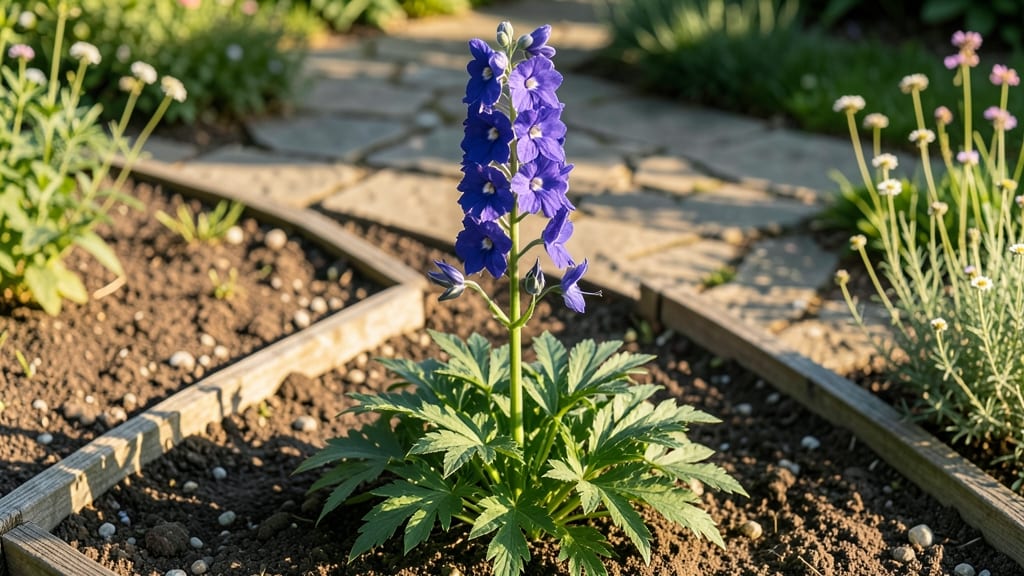
Tall garden plants can transform a noisy yard into a peaceful retreat—just look at how my bamboo fence cut summer barbecue chatter in half. 🌿 The right tall plants don’t just block views; they muffle traffic, train whistles, and even neighborhood dogs, while adding dramatic vertical interest to your landscape.
Fast-growing options like sunflowers or arborvitae deliver quick results, while ornamental giants such as hollyhocks or tall grasses add texture and seasonal color. The key is spacing: give bamboo 5-6 feet of space to prevent crowding, while sunflowers thrive in clusters with 12-18 inches between stems.
Pair them with flowering companions like clematis or honeysuckle to soften the look.
You’ll end up with a lush, living screen that grows taller every year—imagine sunflowers reaching 10 feet by midsummer or bamboo growing 20 feet in just three seasons.
The best part? These plants work in borders, along fences, or even in containers for small spaces. Let’s pick the perfect ones for your yard.
Whether you’re dealing with a narrow urban lot or a sprawling backyard, tall plants adapt beautifully. Just watch for root spread—some varieties need serious space, while others stay tidy in containers. I’ll share the best choices for your climate and layout next.
📚 In This Guide
- What you need
- Instructions
- Tips and common mistakes
- Wrapping up and next steps
What you need
- ● Tall Privacy Plants: Choose 3–5 varieties (e.g., Bamboo, Arborvitae, Holly, or Tall Grasses)—aim for 6–12 plants per 6-foot section for full coverage.
- ● Soil: 5–10 bags (2–3 cubic feet each) of high-quality, well-draining garden soil or a mix of topsoil and compost.
- ● Fertilizer: 1–2 bags of slow-release granular fertilizer (10-10-10 or organic options like composted manure).
- ● Mulch: 2–3 bags (2 cubic feet each) of wood chips or shredded bark to retain moisture.
- ● Shovel or Spade: 1 medium-sized for digging holes (6–12 inches wide/deep per plant).
- ● Garden Gloves: 1–2 pairs (heavy-duty for thorny plants like Holly).
- ● Wheelbarrow or Bucket: 1 (for mixing soil/fertilizer).
- ● Measuring Tape: 1 (to space plants 3–5 feet apart for airflow).
- ● Watering Can or Hose: 1 (with a gentle spray nozzle for young plants).
- ○ Optional: Trellis or Wire Mesh: 1–2 rolls (for climbing plants like Clematis or Wisteria).
- ● Stakes or Plant Supports: 5–10 (for tall, top-heavy plants).
- ● Noise-Reduction Add-Ons: Acoustic panels or bamboo screens (for extra soundproofing).
Step-by-Step guide to designing a noise-blocking vertical garden screen
Here's how to create a stunning, functional tall garden that muffles traffic noise while adding lush privacy.
🌱 Step 1: Choose Your Tall Plant Species for Maximum Noise Reduction
Select plants with dense foliage and layered growth habits to create the thickest possible barrier. I recommend evergreen options like arborvitae (Thuja occidentalis) or leyland cypress (Cupressus × leylandii) for year-round coverage, as their waxy leaves absorb sound better than broadleaf varieties. For seasonal impact, pair them with deciduous trees like silver maple (Acer saccharinum) or river birch (Betula nigra), whose large leaves create additional sound-dampening during growing months.
Plant in staggered rows with 3-4 feet spacing between plants to eliminate gaps where noise could sneak through. The key is creating a solid wall of foliage—aim for plants that will reach 12-15 feet at maturity. Check plant tags for growth rates; faster-growing varieties will provide privacy sooner. I always include 1-2 flowering shrubs like hydrangeas (Hydrangea macrophylla) for seasonal color, as their blooms add visual texture that breaks up the monotony of evergreens.
🪴 Step 2: Prepare the Planting Site for Optimal Growth
Clear the area of weeds and debris, then loosen the soil to a depth of 12 inches using a broadfork. Amend with 3 inches of compost mixed into the top 6 inches to improve drainage and nutrient retention—tall plants need deep, well-aerated roots to support their height. For noise reduction, focus on deep-rooted species that stabilize soil and further dampen sound waves.
Dig planting holes twice as wide as the root ball but no deeper. This encourages roots to spread horizontally for stability. Water each hole thoroughly before planting to settle the soil and eliminate air pockets. I always add a slow-release fertilizer (10-10-10 ratio) to the bottom of the hole—this gives roots a nutrient boost without burning tender foliage. For clay-heavy soils, incorporate 1 part perlite per 3 parts soil to prevent compaction around roots.
☀️ Step 3: Plant Strategically for Maximum Sound Absorption
Arrange plants in three staggered rows with the tallest species in the back and medium-height plants in front. This creates a graduated density that blocks both line-of-sight and sound waves. Space plants 3-5 feet apart depending on mature width—closer spacing for narrow plants, wider for those that spread. I plant 1-2 feet taller than the surrounding landscape to ensure the screen dominates the view.
Backfill with native soil mixed with compost, pressing gently to remove air pockets but not compacting the roots. Water deeply immediately after planting to help soil settle around roots. Mulch with 3 inches of shredded bark to retain moisture and suppress weeds—this is especially important for tall plants with extensive root systems. Avoid piling mulch against stems, as it can trap moisture and cause rot.
💧 Step 4: Establish a Watering Routine for Rapid Growth
Water newly planted tall screens 2-3 times per week for the first 4-6 weeks, providing 1-2 gallons per plant each time. Deep watering encourages roots to grow downward for stability. Check soil moisture by inserting your finger 3 inches deep—if it feels dry, water again. During the first growing season, I water in the early morning to reduce evaporation and fungal risks.
After establishment, reduce to weekly deep waterings during dry spells. Tall plants develop deep root systems that access moisture from lower soil layers, but they still need consistent water during their first year. Install a drip irrigation system if possible—it delivers water directly to roots without wetting foliage, reducing disease risk. I always monitor for wilting leaves in afternoon heat, which signals it's time to water.
✂️ Step 5: Prune for Density and Maintain Year-Round Privacy
Prune in early spring before new growth begins to shape plants and encourage dense branching. Remove any dead, diseased, or crossing branches first, then cut back overgrown stems by one-third to stimulate bushier growth. For evergreens, I use clean, sharp shears to make cuts just above a leaf node or outward-facing branch to maintain the plant's natural shape.
In late summer, give plants a light trim to remove any leggy growth or branches that spoil the screen's uniformity. Avoid heavy pruning after mid-summer, as new growth won't harden off before winter. I always step back to assess the screen's density—if you can see through gaps larger than 6 inches, it's time to fill those spaces with new plants or prune neighboring branches inward. This creates that solid wall effect that truly blocks noise.
Tips & tricks for perfect tall garden privacy screens
Creating an effective noise-blocking garden screen takes more than just planting tall plants—it's about strategic design and plant selection that maximizes both visual privacy and acoustic benefits.
Plant Selection Strategy: When choosing your evergreens like arborvitae or leyland cypress, prioritize varieties with dense foliage and waxy leaves—these characteristics naturally absorb and deflect sound waves better than broadleaf varieties. For the flowering shrubs like hydrangeas you'll add, select varieties with large, overlapping blooms that create additional sound-dampening layers during their blooming season. I've found that mixing two evergreen types (like arborvitae and leyland cypress) creates a more effective sound barrier than using just one species.
Soil Preparation Game-Changer: The 12-inch soil loosening in Step 2 isn't just about drainage—it's about creating a root-friendly environment that supports the deep root systems these tall plants need. For clay-heavy soils, I recommend adding 1 part perlite per 3 parts soil to improve aeration, which is crucial for preventing root rot in these moisture-loving plants. This amendment also helps maintain proper moisture levels, which is especially important during those 2-3 weekly waterings in the first 6 weeks.
Watering Wisdom: That early morning watering recommendation isn't just about reducing evaporation—it's about preventing fungal diseases that can thrive in damp foliage. When establishing your drip irrigation system, place emitters at the base of each plant rather than spraying overhead. This targeted approach delivers water directly to roots while keeping leaves dry, which is particularly important for maintaining the health of your evergreens during their critical first year of growth.
Pruning Precision: The one-third pruning guideline in Step 5 works wonders for encouraging bushier growth, but timing is everything. When you're assessing density from a distance, look for uniform gaps no larger than 6 inches—this creates that solid wall effect that truly blocks noise. For evergreens, always make cuts just above a leaf node or outward-facing branch to maintain the plant's natural shape while promoting new growth in the right direction.
Pro Tips for Tall Garden Plants
- Creating an effective noise-blocking garden screen takes more than just planting tall plants—it's about strategic design and plant selection that maximizes both visual privacy and acoustic benefits.
- For the flowering shrubs like hydrangeas you'll add, select varieties with large, overlapping blooms that create additional sound-dampening layers during their blooming season.
- Soil Preparation Game-Changer: The 12-inch soil loosening in Step 2 isn't just about drainage—it's about creating a root-friendly environment that supports the deep root systems these tall plants need.
Frequently asked questions
Got questions about tall garden plants? You’re not alone! Here are some of the most common concerns—and their solutions—to help you create the perfect vertical privacy screen.
What are the fastest-growing tall plants for quick privacy?
If you need immediate noise-blocking results, opt for bamboo (some varieties grow 3 feet per year!), willow trees, or fast-growing shrubs like Leucadendron (Cape Plumbago). For a mix of speed and beauty, Bamboo or Hornbeam trees are top picks. Just be sure to check local regulations—some bamboos can spread aggressively!
How long does it take for tall garden plants to provide full privacy?
Most tall plants take 2–5 years to reach full maturity, depending on the species. For example, Arborvitae (a popular evergreen) grows about 1–2 feet per year, while Leyland Cypress can add 3 feet annually. Plan ahead by spacing plants closer together to fill gaps faster!
Are tall garden plants drought-tolerant, or do they need lots of water?
Some thrive on neglect! Russian Olive, Yucca, and Agave are drought-resistant powerhouses, while others like Bamboo or Willow need consistent moisture. Always check the plant’s care label—mulching helps retain water and reduces evaporation. Pro tip: Group drought-tolerant plants together to minimize watering efforts!
Can I use tall garden plants to block noise from roads or airports?
Dense, evergreen plants like Hemlock, Pine, or Holly are excellent noise absorbers due to their thick foliage. For extra soundproofing, combine them with broadleaf plants (like Privet) and add a layer of mulch or gravel. The more layers, the better the sound barrier!
What’s the best alternative if I don’t want to plant anything permanent?
No problem! Consider temporary solutions like:
- Trellis panels with climbing vines (e.g., Ivy or Clematis)
- Living walls with modular planters
- Folding screens made of bamboo or wood
How do I keep pests away from my tall garden plants?
Prevention is key! Start with healthy soil (rich in compost) to boost plant resilience. For pests like aphids or Japanese beetles, use neem oil or insecticidal soap. Pro tip: Encourage natural predators like ladybugs or birds by adding pollinator-friendly plants nearby. Regular pruning also improves airflow, reducing disease risks.
Wrapping up and next steps
Tall garden plants aren’t just about adding height—they’re your secret weapon for privacy, noise reduction, and beauty! Whether you’re dreaming of a cozy backyard retreat or a windbreak for your patio, the right mix of fast-growing, hardy, and fragrant plants can transform your space in no time.
Start small with a few favorites, experiment with textures, and watch your vision take shape.
Ready to get growing? 🌱 Pick your top 3 plants from this list, sketch a simple layout, and dive in—your serene oasis is just a shovel’s throw away! 💚