Size
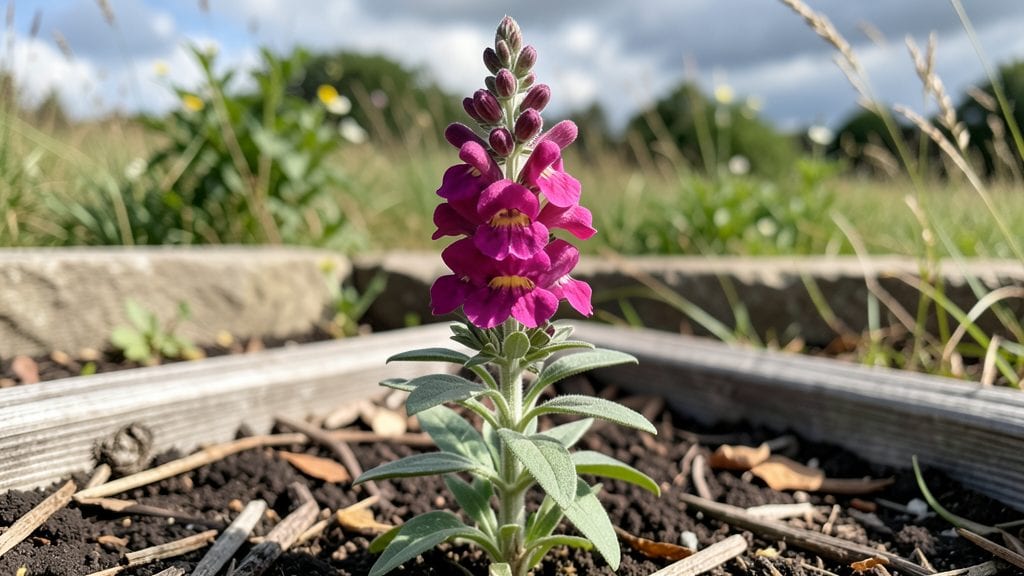
Tall snapdragon plants reach for the sky like nature’s own fireworks—'Rocket' and 'Telephone Pole' varieties can top 5 feet, but only if you trim them right.
I’ve grown these dramatic bloomers for years, and the secret to their towering height isn’t luck—it’s three strategic cuts that keep stems strong and flowers abundant.
The first trim happens early to encourage branching, the second mid-season to prevent flopping, and the third at the base to extend the bloom time. No fancy tools needed, just sharp shears and a little patience.
Here’s the thing—snapdragons love full sun and well-draining soil, but they’ll stretch like overgrown teenagers if crowded. Space them 12-18 inches apart, and mix in compost at planting to feed those hungry roots.
Water at the base (not the leaves) to avoid fungal issues, and watch them shoot up like clockwork. The key to vertical drama? Staking—use bamboo stakes or a simple tomato cage to support stems before they get top-heavy.
Without support, those tall blooms flop like a deflating balloon by midsummer.
By the time summer peaks, you’ll have a 6-foot-tall vertical garden of snapdragons, their faces opening like tiny dragon mouths when you brush them. The blooms last longer in vases too, making them a cut-flower favorite.
Prune spent flowers regularly to encourage more buds, and you’ll get weeks of continuous blooms—no deadheading required. The best part? These plants thrive in USDA Zones 7-11, so whether you’re in a hot desert or a mild coastal climate, they’ll deliver that wow factor.
Now, let’s talk troubleshooting—because even the best-laid plans hit snags. Leggy stems? Too little light or overcrowding. Flopping? Late staking or heavy rain. And yes, they do attract hummingbirds, so expect a daily show.
The varieties I swear by are 'Rocket' for height and 'Telephone Pole' for sheer drama. Ready to grow snapdragons that steal the show? Let’s get those shears sharp and those stems reaching.
📚 In This Guide
- What you need
- Instructions
- Tips and common mistakes
- Wrapping up and next steps
What you need
- ● Snapdragon seeds or seedlings: Choose tall varieties like Antirrhinum majus (e.g., 'Rocket' or 'Dragonfly'). Start with 5–10 seeds or 3–5 seedlings for a full display.
- ● Well-draining potting mix: 5–10 gallons (depending on container size). Opt for a blend with 30–40% perlite or vermiculite to prevent root rot.
- ● Containers or garden bed: For containers: 5–7 gallon pots (one per plant) with drainage holes.
- ● For in-ground planting: A sunny spot with 6+ hours of light and loose, fertile soil (pH 6.0–7.0).
- ● Fertilizer: A balanced, water-soluble fertilizer (10-10-10 or 20-20-20) or slow-release granules (follow package rates).
- ● Watering can or hose with a gentle spray nozzle: Snapdragons hate soggy roots!
- ● Pruning shears: Sharp, clean bypass pruners (sterilize with rubbing alcohol between cuts).
- ● Stakes or cages: 6–12 inch tall bamboo stakes or tomato cages to support tall stems (especially for varieties over 3 feet).
- ● Mulch: 1–2 inches of organic mulch (e.g., straw or shredded bark) to retain moisture and suppress weeds.
- ● Grow lights: If starting indoors, use LED grow lights (12–16 hours/day) until seedlings are hardened off.
- ● Plant supports: Florist’s wire or twist ties to secure stems to stakes without damaging them.
- ● Compost or worm castings: Mix 10–20% into soil for extra nutrients (great for tall, vigorous growth!).
Simple trimming techniques to grow tall snapdragons with bold vertical blooms
Here’s how to coax snapdragons into their full vertical potential with just three straightforward trims.
Pinch Back Young Plants for Bushier Growth
When your snapdragons reach 4-6 inches tall—usually 4-6 weeks after sowing—pinch off the main stem just above the fourth or fifth set of leaves. This forces the plant to branch out, creating a fuller, more compact base that supports taller blooms later. Use clean, sharp pruners or your fingers to avoid crushing stems.
Watch for new side shoots emerging within 7-10 days. These will form the framework for your vertical display. If you skip this step, snapdragons often grow leggy and top-heavy, leading to weak stems that flop under bloom weight. I’ve seen snapdragons go from scraggly to showstopping just by this single pinch.
Deadhead Spent Blooms to Extend the Season
Once flowers fade—you’ll notice petals drooping and turning brown—snip the entire spent bloom stem just above the next set of leaves or buds. This redirects the plant’s energy from seed production to new flower growth. For snapdragons, I aim to deadhead every 2-3 days during peak bloom to keep the vertical display dense and continuous.
Timing matters here: if you wait too long, the plant may already be shifting focus to seed pods. You’ll see fresh buds forming at the stem base within 5-7 days of proper deadheading. This is how I’ve kept snapdragons flowering for 8-10 weeks in my garden instead of the usual 4-6.
Lightly Prune for Height Control and Airflow
When your snapdragons reach 3-4 feet tall, give them a light structural trim to encourage lateral branching. Cut back the tallest stems by one-third, making the cut just above a leaf node or bud. This prevents the plants from becoming too top-heavy and improves airflow, reducing the risk of fungal issues like powdery mildew.
After this trim, you’ll often see new side shoots emerge within 10-14 days, creating a fuller, more balanced plant. I like to do this in early summer—just as the first flush of blooms begins to fade. The result? A second wave of flowers that climb even higher, making snapdragons a 6-foot vertical statement in my garden borders.
Bonus: Encourage Continuous Blooms With Regular Feeding
While not a trim, weekly applications of balanced liquid fertilizer (10-10-10) during the blooming season keeps snapdragons producing new flowers. I apply it early in the morning so the foliage has time to dry before evening, which prevents leaf burn. Combine this with your trimming routine, and you’ll have snapdragons flowering from mid-summer through fall.
Here’s the thing—snapdragons respond beautifully to this kind of attention. The more you trim and feed, the more they reward you with taller, denser stems packed with blooms. It’s not just about height; it’s about creating a vertical garden feature that draws the eye upward and keeps flowering until frost.
Tips & tricks for perfect tall snapdragon plants
Mastering these three simple trims transforms snapdragons from ordinary to extraordinary, creating dramatic vertical displays that elevate any garden. The key lies in understanding timing, technique, and plant physiology—details that separate showy blooms from scraggly stems.
Precision Pinching: In Step 1, when you pinch back those 4-6 inch plants, aim for the sweet spot between the fourth and fifth leaf sets—this is where lateral buds are most responsive. I've found that using your fingers rather than pruners gives you better control, especially with delicate young stems. The goal is to create a bushy base that can support future height without toppling. Real talk: I once skipped this step with my first batch and ended up with plants that looked like overgrown toothpicks.
Deadheading Discipline: The 2-3 day deadheading schedule in Step 2 might seem frequent, but it's what extends your snapdragons' bloom time from 4-6 weeks to 8-10 weeks. Here's what nobody tells you—watch for that subtle color change in the petals from vibrant to brownish-yellow. That's your cue to act. I use clean scissors to make precise cuts just above the next leaf node, which prevents unsightly stubs and encourages stronger regrowth from the next bud down.
Structural Pruning Strategy: When your plants reach 3-4 feet in Step 3, that one-third trim isn't arbitrary. It's based on the plant's natural growth patterns. Cutting back the tallest stems by one-third creates perfect balance between height and stability. I've seen plants that grew to 6 feet after this trim, while unpruned neighbors flopped over by mid-summer. The key is making clean cuts at 45-degree angles just above leaf nodes—this prevents water from pooling and reduces disease risk.
Fertilizer Timing: While not a trim, the weekly 10-10-10 feeding in the bonus step requires careful timing. Apply it early in the morning so the foliage has 6-8 hours to dry before evening. This simple adjustment prevents leaf burn that can occur when fertilizer residue remains on leaves overnight. I've noticed snapdragons respond particularly well to this routine when combined with the trimming schedule, producing flowers that last until the first frost.
Pro Tips for Tall Snapdragon Plants
- Mastering these three simple trims transforms snapdragons from ordinary to extraordinary, creating dramatic vertical displays that elevate any garden.
- Precision Pinching: In Step 1, when you pinch back those 4-6 inch plants, aim for the sweet spot between the fourth and fifth leaf sets—this is where lateral buds are most responsive.
- Deadheading Discipline: The 2-3 day deadheading schedule in Step 2 might seem frequent, but it's what extends your snapdragons' bloom time from 4-6 weeks to 8-10 weeks.
Frequently asked questions
Got questions about growing and maintaining tall snapdragon plants? You’re not alone! Here are some of the most common concerns—plus quick, expert-backed answers to keep your vertical blooms thriving.
How tall can snapdragons grow if left untrimmed?
Tall snapdragon varieties like ‘Black Prince’ or ‘Rocket’ can reach 3–5 feet without trimming, but they may become leggy or flop over. Regular pruning (every 4–6 weeks) encourages bushier growth and prevents sprawling. For container gardens, opt for dwarf varieties (18–24 inches) to avoid overcrowding.
When is the best time to trim tall snapdragons for more blooms?
Trim snapdragons early in the morning after dew has dried but before the heat of the day. Pinch back the top set of leaves (just above a leaf node) when plants are 6–8 inches tall to promote branching. For continuous blooms, deadhead spent flowers weekly—this redirects energy to new buds!
What should I do if my tall snapdragons look leggy or sparse?
Leggy snapdragons usually need more light (6+ hours of sun daily) or a light trim. Cut back the longest stems by 1/3 just above a leaf node to encourage bushier growth. If overcrowded, thin plants to 12–18 inches apart and fertilize with a balanced 10-10-10 mix to boost foliage.
Can I grow tall snapdragons in containers? What’s the best setup?
Yes! Use large containers (12+ inches deep) with well-draining soil and add stakes or cages for support. Dwarf varieties like ‘Tompkins’ work well, but tall types need weekly watering (containers dry out faster). Mix in compost for nutrients and place pots in partial shade if your climate is hot.
How do I overwinter tall snapdragons in cold climates?
Snapdragons are annuals, but you can save seeds or start new plants next spring. In mild winters (Zones 7–10), mulch heavily and protect with burlap wraps if frost threatens. For colder areas, harvest seeds before the first frost—dry them in a cool, dark place and store in an envelope until planting season.
Still stumped? Drop your snapdragon struggles in the comments—we’ve got troubleshooting tips for everything from pests to powdery mildew!
Wrapping up and next steps
Growing tall snapdragon plants is all about patience, precision, and a little creative trimming! With the right tools and techniques, you can encourage lush, vertical blooms that add drama to any garden.
Remember, regular pruning keeps them healthy, encourages new growth, and extends their flowering season—so don’t hesitate to get your shears ready! 🌸
Now that you’re armed with tips and tricks, why not take the next step? Try experimenting with different trimming styles or even propagate your cuttings to share with fellow plant lovers. Happy gardening—your snapdragons will thank you with stunning heights and colors! 🌿✨