Size
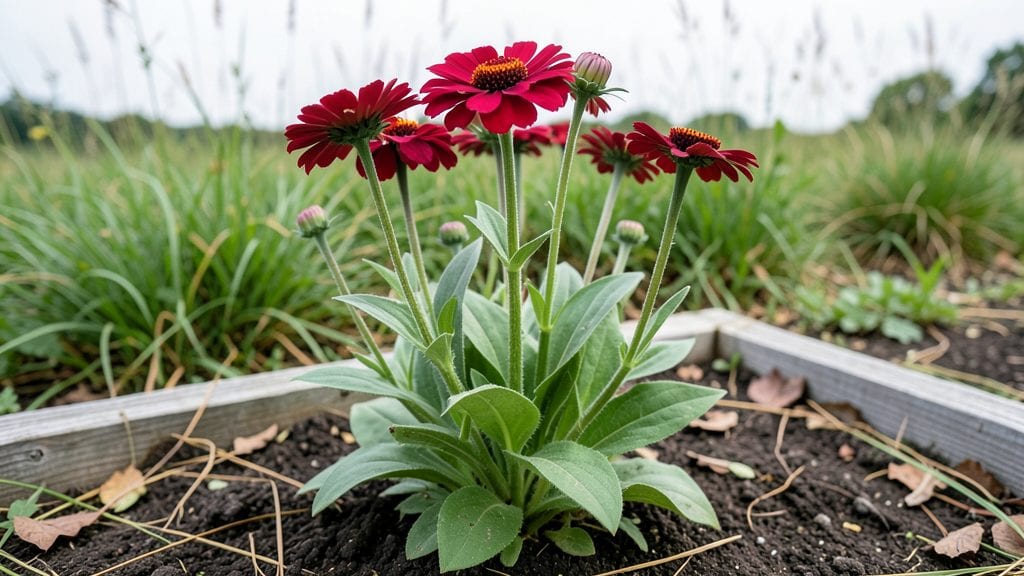
Rewritten sentence: Growing these tall zinnia plants that reach for the sky without constant pruning is easier than you think. 🌻 I’ve grown these towering beauties for years, and the secret lies in how you prep the soil, space the seeds, and let them grow naturally—no fuss, just stunning height.
The right variety makes all the difference, too.
Start with well-draining soil mixed with compost, and plant seeds about ¼ inch deep, 12 inches apart. Zinnias thrive in full sun, so choose a spot that gets at least 6-8 hours of light daily.
Water at the base to keep stems strong, and avoid overhead watering to prevent mildew. The less you prune, the taller they’ll grow—just snip dead blooms to encourage more flowers.
By midsummer, you’ll have zinnias stretching toward the sky, their velvety petals catching every breeze. These plants stay upright with minimal support, and their bold colors attract pollinators all season long.
The key is patience—let them grow tall before cutting back, and you’ll get stems that reach 4 feet or more.
Works for both garden beds and containers, and thrives in zones 3-11. Once you see them grow, you’ll wonder why you didn’t try this sooner. Let’s get those seeds in the ground!
📚 In This Guide
- What you need
- Instructions
- Tips and common mistakes
- Wrapping up and next steps
What you need
- ● Seeds: Tall zinnia varieties like ‘Benary’s Giant’ or ‘State Fair’ (packets of 50–100 seeds).
- ● Potting soil: 10–20 lbs of high-quality, well-draining potting mix (or garden soil amended with compost).
- ● Containers or garden bed: For containers: 5–7" deep pots (1–2 plants per container).
- ● For in-ground: Full sun (6+ hours/day) and loose, fertile soil.
- ● Fertilizer: Balanced, slow-release granular fertilizer (10-10-10) or liquid bloom booster.
- ● Watering can or hose: With a gentle spray nozzle for seedlings.
- ○ Stakes or cages: 3–4 ft tall (optional but highly recommended for support!).
- ● Seed-starting trays (if sowing indoors).
- ● Mulch (to retain moisture and suppress weeds).
- ● Pruning shears (for light trimming if needed).
- ● Garden gloves (to keep hands clean!).
How to grow tall zinnia stems with minimal pruning
Here's the secret to zinnia stems that reach for the sky while staying strong enough to support blooms.
🌱 Step 1: Start Seeds Early in Well-Draining Soil
Zinnia seeds need warmth to germinate, so start them indoors 4-6 weeks before your last frost date. Fill your seed-starting trays with the sterile seed-starting mix and moisten it until damp but not soggy. Press the mix down lightly to create a firm surface for seeds to rest on.
Sow seeds ¼ inch deep—any deeper and they’ll struggle to reach the light. I like to use a toothpick to make small holes, then drop 1-2 seeds per cell. Cover them with a thin layer of additional mix, just enough to hide the seeds completely. Place the tray in a warm spot (70-75°F) and keep the soil consistently moist until germination, which typically takes 7-14 days.
Real talk: If you’re impatient like me, a seedling heat mat speeds this up dramatically. Just make sure the soil stays warm but not hot—above 80°F can bake the seeds.
☀️ Step 2: Transplant Seedlings to Full Sun After Frost
Once seedlings have 2-3 sets of true leaves (the first pair are cotyledons, not true leaves), they’re ready to move outdoors. Wait until nighttime temperatures stay above 50°F—zinnia seedlings wilt easily in cold snaps. Harden them off by placing them outside in a sheltered spot for 1-2 hours the first day, gradually increasing exposure over 5-7 days.
Choose a sunny spot that gets at least 6-8 hours of direct sun daily—this is non-negotiable for tall stems. Dig holes just as deep as the root ball, then space plants 12-18 inches apart in rows 18-24 inches apart. This gives them room to grow without competing for nutrients. Water deeply right after planting to settle the soil around the roots.
Here’s the thing—if your soil drains poorly, amend it with compost before planting. Zinnias hate soggy roots, and waterlogged soil leads to weak stems that flop under their own weight.
💧 Step 3: Water Deeply at the Base, Never the Leaves
Zinnias thrive on consistent moisture, but their stems weaken if they sit in wet foliage. Water deeply at the soil level every 2-3 days during dry spells, aiming for 1 inch of water per week. You’ll know you’ve got it right when the top inch of soil feels dry to the touch—that’s your cue to water again.
Use a soaker hose or drip irrigation to keep water off the leaves. Wet foliage invites fungal diseases like powdery mildew, which can turn your towering stems into sad, droopy messes. Water in the early morning so leaves dry quickly—this keeps your zinnias healthy and standing tall.
I know it seems weird, but mulching with straw helps retain moisture while keeping stems dry. Spread a 2-inch layer around each plant, but avoid piling it against the stems. This simple step saves me from constant watering and keeps my zinnias upright.
✂️ Step 4: Prune Strategically for Height and Blooms
Here’s the minimal-pruning secret: Pinch back the main stem when it reaches 6-8 inches tall. Use clean scissors to snip just above a set of leaves where new growth will emerge. This encourages the plant to branch out, creating a bushier base that supports more height. You’ll see side shoots within 7-10 days—that’s your signal it’s working.
Once flowering begins, remove spent blooms by cutting the stem just above the next set of leaves. This redirects the plant’s energy into producing more flowers instead of seed heads. I do this every 3-4 days during peak bloom, and my zinnias keep flowering until frost.
Don’t skip this—if you let blooms go to seed, the plant puts all its energy into seed production, and your stems will weaken. Think of it like giving your zinnias a haircut: a little maintenance keeps them looking their best.
🪴 Step 5: Support Stems as They Grow
Tall zinnias can reach 3-4 feet or more, and their stems need support to stay upright. Install bamboo stakes or tomato cages when plants are 12-18 inches tall. Gently tie the main stem to the stake with soft plant ties, leaving room for growth. As the plant grows, add more ties every 6-8 inches to prevent bending.
If you’re growing zinnias in a border or mixed bed, interplant with shorter flowers like marigolds or snapdragons. This creates a natural support system while adding visual interest. Just avoid planting anything too tall nearby—zinnias need space to shine.
This is the moment that matters: When your zinnias are fully supported, they’ll grow straight and strong, ready to be cut for bouquets or left to dance in the breeze. A little support now means fewer floppy stems later.
Tips & tricks for perfect tall zinnia stems
These simple tricks will help your zinnias reach their full height potential while staying strong and sturdy.
The Heat Factor: For faster germination in Step 1, place your seed trays on a seedling heat mat set to 75°F—this keeps the soil consistently warm without risking overheating. If you don't have a heat mat, set your trays on top of your refrigerator (which stays warm) or in a sunny windowsill. Just make sure the soil stays moist but not soggy—dry soil at this stage can kill your seeds before they even sprout.
Timing Secret: In Step 2, when hardening off seedlings, start with just 1 hour outside on day one, then gradually increase by 1 hour each day. This slow transition prevents shock and helps seedlings adjust to outdoor conditions. I've seen seedlings wilt dramatically when moved outside too quickly—don't make my mistake!
Support Strategy: For Step 5, install your bamboo stakes or tomato cages before your zinnias reach 12 inches. This gives the stems something to cling to as they grow, preventing them from bending under their own weight. I like to use soft plant ties that won't damage the stems as they grow thicker. You'll notice a dramatic difference in stem strength when you do this early!
Pruning Precision: When pinching back stems in Step 4, look for the spot just above a set of leaves where new growth emerges. This is where side shoots will form. I always use clean scissors to make a sharp cut—dull scissors can crush stems and invite disease. The 7-10 days it takes to see new growth is worth the wait for that bushier base!
Pro Tips for Tall Zinnia Plants
- These simple tricks will help your zinnias reach their full height potential while staying strong and sturdy.
- The Heat Factor: For faster germination in Step 1, place your seed trays on a seedling heat mat set to 75°F—this keeps the soil consistently warm without risking overheating.
- Timing Secret: In Step 2, when hardening off seedlings, start with just 1 hour outside on day one, then gradually increase by 1 hour each day.
Frequently asked questions
Got questions about growing tall zinnia plants? You’re not alone!
Here are answers to the most common queries—from spacing to sunlight and everything in between. Let’s clear the air so you can enjoy those towering blooms with confidence.
How tall do zinnia plants typically grow?
Tall zinnia varieties like Zinnia elegans can reach 3 to 5 feet (or even taller with proper care!). Dwarf varieties stay under 2 feet, while standard types hover around 2–3 feet. Check your seed packet for specifics—some hybrids are bred for extra height!
When is the best time to plant tall zinnias?
Start seeds indoors 6–8 weeks before your last frost or direct-sow after soil warms (60°F+). Zinnias thrive in warm weather, so avoid planting too early—they won’t germinate in cold soil. For fall blooms, sow seeds 8–10 weeks before your first frost date. Patience pays off!
Do tall zinnias need full sun?
Absolutely!
Zinnias crave 6–8+ hours of direct sunlight daily. Less light = leggy stems and fewer blooms. If your garden is shady, opt for shorter varieties or supplement with a sunny windowsill. A south-facing spot is ideal for maximizing height and vibrancy.
Why are my tall zinnias flopping over?
Flopping usually means overcrowding, weak stems, or wind exposure. Space plants 12–18 inches apart and stake tall varieties early (use tomato cages or bamboo stakes). Deadhead spent blooms to encourage stronger growth. If stems are soft, they may need more sunlight or water—but avoid soggy soil!
Can I grow tall zinnias in containers?
Yes! Choose large pots (12+ inches wide/deep) with drainage and use a lightweight potting mix. Dwarf or medium-height varieties work best in containers, but tall types can thrive if staked and given enough space. Just ensure the container gets full sun and water consistently.
What pests should I watch for with tall zinnias?
Keep an eye out for aphids, spider mites, and Japanese beetles, which love zinnia leaves and flowers. Spray off pests with water or use neem oil for organic control. Strong, healthy plants (with proper spacing and water) resist pests better. Aphids? Blow ‘em away!
Wrapping up and next steps
Growing tall zinnia plants is a rewarding way to add vibrant color and height to your garden with minimal fuss! With the right soil, sunlight, and a little care, these beauties can reach towering heights while staying healthy and blooming all season.
Whether you're a seasoned gardener or just starting out, these sky-high stems are perfect for adding drama and charm to any space.
Ready to level up your garden? Grab your seeds, pick a sunny spot, and get planting—your future zinnia tower awaits! 🌻✨