Companion Plants
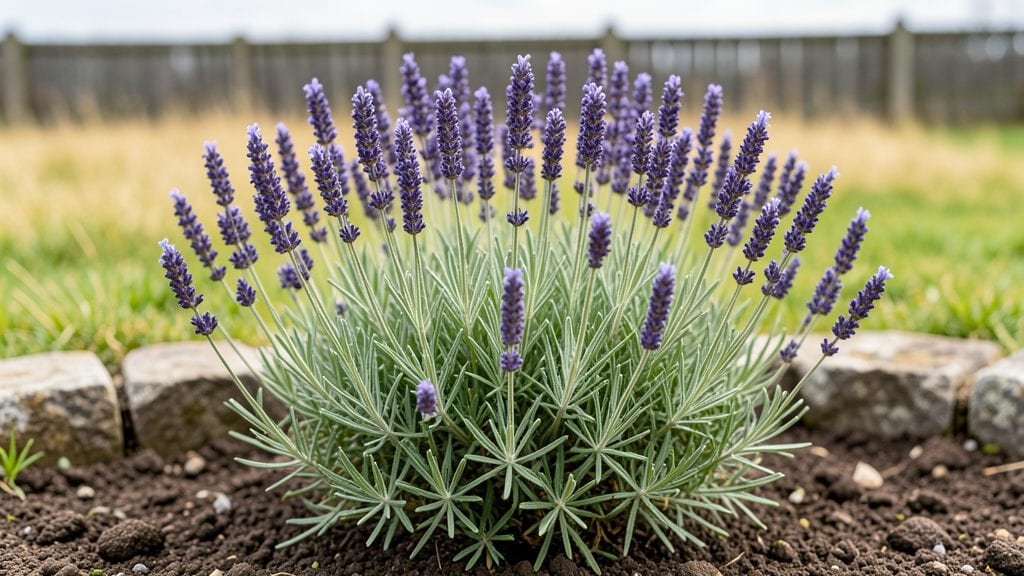
Tending to plants isn't just about watering and hoping for the best—it's about creating the right neighborhood where they can thrive. 🌱 I learned this after my basil wilted dramatically until I moved it next to my tomatoes, and suddenly, it grew like crazy.
The right companions can cut down on pests, improve soil, and even boost flavor without any fancy chemicals.
Start with the basics: water deeply but less often, prune to encourage airflow, and feed plants with compost or balanced fertilizer every 4-6 weeks. The key is consistency—plants notice when you skip steps, and they'll show it in their growth.
A simple routine of checking soil moisture with your finger and snipping dead leaves keeps things manageable, even for beginners.
When you pair plants right, you'll see the difference in just a few weeks—healthier leaves, more flowers, and stronger stems. My marigolds next to the tomatoes kept aphids away, while the carrots and onions near the lettuce made the greens sweeter.
It's like giving your garden a built-in support system that works harder than you do.
This approach works for containers, raised beds, or in-ground gardens—just adjust spacing and sun needs. The best part? You'll spend less time fighting problems and more time enjoying the results. Let's get those plants talking to each other the right way!
📚 In This Guide
- What you need
- Instructions
- Tips and common mistakes
- Wrapping up and next steps
What you need
- ● Healthy plants: Choose 2-3 companion plant varieties (e.g., basil + tomatoes, marigolds + cucumbers, or nasturtiums + squash). Start with 3-5 plants per type for noticeable benefits.
- ● Containers or garden beds: For containers: 5-10 gallon pots (1 per plant or shared for shallow-rooted companions like herbs + veggies). Use drainage holes and lightweight potting mix.
- ● For garden beds: A 4’x4’ plot (minimum) with well-draining soil (amend with compost if needed).
- ● Soil amendments: Compost (1-2 gallons per plant or 1-2 inches spread in beds).
- ● Organic fertilizer (e.g., fish emulsion or worm castings—follow package rates for slow-release nutrients).
- ● Watering supplies: Watering can (1-2 gallon capacity) or drip irrigation system.
- ○ Moisture meter (optional but helpful for overwatering-prone companions like basil).
- ● Protective gear: Gloves (nitrile or cotton).
- ● Knee pads (for garden beds).
- ● Pest deterrents: Neem oil spray, diatomaceous earth, or companion-specific traps (e.g., yellow sticky cards for whiteflies near marigolds).
- ● Support structures: Trellises (for vining plants like cucumbers or beans) or tomato cages.
- ● Mulch: Straw or shredded leaves (2-3 inches) to retain moisture and suppress weeds.
- ● Plant markers: Labels or stakes to track companions (e.g., “Basil + Tomato”).
- ● Garden journal: Notebook to log growth, pests, and successful pairings for future reference!
Instructions for tending to plants using companion pairings
Pairing plants strategically can cut down on pests, improve soil, and give your garden a natural boost.
🌱 Step 1: Identify Your Plant’s Best Companions
Start by grouping plants that naturally support each other. For example, basil thrives near tomatoes, repelling pests like whiteflies while enhancing flavor. Marigolds planted alongside vegetables deter nematodes and attract beneficial insects. I always check companion planting charts before arranging my garden layout—this step saves time and frustration later.
Look for plants with similar sunlight and water needs to ensure they’ll grow well together. If you’re unsure, observe how your plants interact over a season. You’ll notice some pairs flourish while others struggle, helping you refine your pairings next time.
🌿 Step 2: Prepare the Planting Area
Before planting, loosen the soil to a depth of 6 inches to encourage root growth. Mix in 2-3 inches of compost to enrich the soil naturally—this is where companion plants work their magic. For instance, planting nitrogen-fixing clovers near heavy feeders like corn replenishes nutrients without synthetic fertilizers.
Space plants according to their mature size, leaving 12-18 inches between companions like tomatoes and basil, but 6-12 inches for smaller pairs like lettuce and radishes. Crowding can lead to competition, reducing the benefits of companion planting.
💧 Step 3: Plant and Monitor Early Growth
Place companion plants close enough to benefit from each other’s presence but far enough to avoid shading or root competition. Water gently after planting to settle the soil, and keep the area consistently moist for the first 2 weeks. You’ll see the first signs of success when leaves show first true growth—this is when companion effects really kick in.
Watch for early signs of pest activity or disease. If aphids appear on your roses, nearby garlic or chives can often deter them naturally. Keep a journal of what works—this helps you adjust pairings as the season progresses.
☀️ Step 4: Maintain and Adjust Pairings
Regularly inspect plants for signs of stress, like yellowing leaves or stunted growth. If a pairing isn’t working—say, your carrots and onions aren’t thriving together—try separating them. Some combinations, like beans and cucumbers, improve soil and growth, while others, like beans and onions, compete for nutrients.
Rotate crops annually to prevent soil depletion and pest buildup. This also gives you a chance to experiment with new companion pairings. Over time, you’ll develop a system that maximizes natural growth boosts and minimizes problems.
✂️ Step 5: Harvest and Assess Success
When it’s time to harvest, take note of which pairings performed best. For example, if your tomatoes and basil produced larger, healthier fruit than usual, make a note to repeat that pairing next season. Prune spent plants like marigolds after they’ve fulfilled their pest-deterrent role to keep the garden tidy and disease-free.
Use leftover plant material as mulch or compost to return nutrients to the soil. This closes the loop on companion planting, ensuring your garden stays vibrant and productive year after year.
Tips & tricks for perfect plant pairings
Here's what I've learned after years of experimenting with companion planting—these tricks will help you maximize growth and minimize problems in your garden.
Research is Key: Before planting, invest time in researching companion planting charts specific to your climate zone. Some pairings work wonders in one region but fail in another. For example, nasturtiums deter pests near cucumbers in cooler climates, but in hotter areas, they might compete for water. I always cross-reference at least three reliable sources to confirm pairings before committing to a layout. This step alone saves me from costly mistakes later in the season.
The Soil Foundation: In Step 2, when you're mixing in that 2-3 inches of compost, consider adding a handful of mycorrhizal fungi to the soil. These beneficial microbes help plant roots absorb nutrients more efficiently, especially for heavy feeders like tomatoes and peppers. You can find them at garden centers or online—just sprinkle them into the planting hole before placing your plants. This small addition makes a noticeable difference in plant vigor during the first true growth phase.
Pest Patrol: During those critical first 2 weeks of growth monitoring, keep a spray bottle of neem oil handy. While companion plants deter many pests naturally, you might still encounter early infestations. Spray affected plants in the evening when bees are less active. I've found that combining this with companion planting creates a double defense system—some pests get repelled by plant neighbors, while others get deterred by the neem oil, giving your plants the best possible start.
Seasonal Rotation Strategy: When planning your annual crop rotation from Step 4, consider dividing your garden into four sections. Plant different companion groups in each section yearly. This prevents soil depletion and breaks pest cycles more effectively than rotating just two or three crops. I've noticed a significant reduction in soil-borne diseases after implementing this four-section rotation system over three years.
Pro Tips for Tend To Plants
- Here's what I've learned after years of experimenting with companion planting—these tricks will help you maximize gro...
- Research is Key: Before planting, invest time in researching companion planting charts specific to your climate zone....
- The Soil Foundation: In Step 2, when you're mixing in that 2-3 inches of compost, consider adding a handful of mycorr...
Frequently asked questions
Got questions about tending to plants and maximizing growth with companion pairings? You’re not alone! Here are answers to some of the most common concerns—so you can garden with confidence and ease.
What are the easiest companion plant pairings for beginners?
Start with classic combos like basil and tomatoes (basil repels pests and enhances flavor) or marigolds and peppers (marigolds deter nematodes). These pairings are forgiving, low-maintenance, and yield noticeable results even for new gardeners. Pair carrots with onions or leeks—the strong scent of the alliums deters carrot flies naturally!
How often should I tend to my companion plants?
Check your plants every 2–3 days for pests, wilting, or nutrient deficiencies. Water deeply 2–3 times per week (adjust for climate), and prune leggy growth monthly. Companion plants thrive on interaction! For example, if you’re growing three sisters (corn, beans, squash), monitor the beans to ensure they’re climbing the corn stalks—this trio relies on mutual support.
What do I do if pests still attack my companion plants?
First, identify the pest (aphids, slugs, or spider mites are common). Try natural fixes: spray neem oil for soft-bodied bugs, handpick slugs at night, or introduce ladybugs for aphids. If pests persist, rotate crops yearly or add traps like yellow sticky cards for flying insects. Prevention is key!
Can I tend to companion plants in containers?
Pair small herbs like thyme and parsley in a pot—they’re compact and deter pests. For larger plants, use deep containers (12+ inches) for tomatoes + basil or peppers + marigolds. Ensure pots have drainage holes and use lightweight potting mix. Just watch for overcrowding—companions in containers need extra attention to spacing and watering.
What’s the best time of day to tend to my plants?
Morning is ideal! Water in the early hours to reduce evaporation and fungal risks. Prune or harvest in the late morning when plants are hydrated but not wilting from heat. Avoid tending at peak afternoon sun—it stresses plants and attracts pests. Evening care is fine for gentle tasks like weeding, but skip heavy watering to prevent overnight fungal growth.
Wrapping up and next steps
Tending to your plants doesn’t have to be a guessing game—strategic companion pairings can supercharge growth while keeping pests at bay. 🌱 Whether you’re a seasoned gardener or just starting, these natural partnerships make caring for your garden easier and more rewarding.
The key is observation, patience, and a little experimentation to find what thrives together in your space.
Ready to elevate your green thumb? Start small—pick one plant pair from this guide and monitor the results. Over time, you’ll unlock the secrets of your own thriving ecosystem. Happy growing! 🌿